iWorld
OTT has democratised storytelling and consumption: MX Player’s Gautam Talwar at Goafest’22

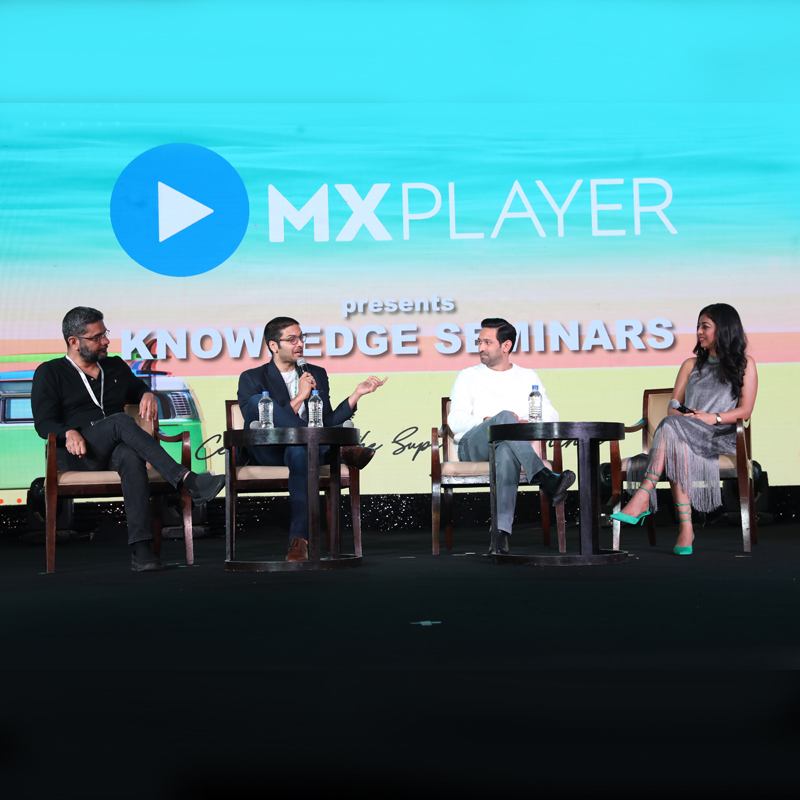
Mumbai: The OTT ecosystem in India has been growing by leaps and bounds in recent years, with new players coming into the fray every day and novel, edgy content being churned out. The way we look at online streaming is also changing with it emerging as an exciting prospect for an increasing number of marketers and advertisers keen to promote their brands and ads on these upcoming platforms.
The day two of Goafest saw actors Vikrant Massey and Ali Fazal along with MX Player chief content officer Gautam Talwar taking centre stage to talk about the topic ‘OTT Superpower – Freedom and Nuances of Creativity.’ The panelists spoke about how OTT has changed consumer behaviour in regards to content and democratised content, in the session moderated by anchor and creative director Atika Farooqui.
“While still a nascent industry in India, OTT has given a platform for creators and writers to explore their skills, and the exposure to international content made them pull their socks up,” said Vikrant Massey, adding that in the last two years of pandemic the platform presented a tremendous opportunity to explore newer avenues.

Ali Fazal said that with the amount of diverse OTT content available today on the varied players, the competition is spiking, with each show at the risk of being just one button away from rejection. “The relatable and realistic content on these streaming platforms showed that writers are the real stars today. With films still trying to get out of formula-based structure, that’s where OTT gets a little freedom. By pushing the bar and breaking the rhythm. Tell stories as fearlessly as we can within the framework,” said Fazal.
Upon being asked if there is a sense of competition among the two media, Fazal stated, “Cinema must not die. Film watching is community watching. Every person in the industry comes with the dream to be a part of movies and this dream always remains. Idea of OTT is just to be able to tell more stories, follow newer narratives.”
On whether OTT can cater to family audiences like cinema and TV, Gautam Talwar said, “OTT content is for personal watching. 95 per cent of people watch on their personal phones. Only the elite or urban audiences perhaps will have access to chromecast and connected television sets supporting the platforms, adding that these are not necessarily the target audience of players such as MX always. Family viewing is far away for OTT or may never happen as there are less percentage of people who would want to sit with family and watch the online streaming content.”
He further summed it up by saying, “India or Bharat is a time rich and money poor country and that is what we consider while targeting.”
“Freedom cannot be absolute and like in other mediums, with Freedom comes responsibility,” the panelists agreed. “What OTT has managed to do is democratise storytelling. It’s a genre of storytelling that’s not been available to audiences ever.”
The panelists also weighed in upon the changed prototype of the ‘likeable hero/heroine’ brought on by the OTTs. “Every content is essentially an extension of the world and times we are living in,” said Fazal. “We want people who are relatable and accessible on screen, characters whom viewers can relate with- not a demi-god to worship or characters in black and white.”
On the concern that less than 10 per cent of the viewers on the Online streaming sites have subscribed for consumption, Talwar admitted it’s going to be a tough battle towards monetising the content, as Indians inherently don’t believe in paying for content. That’s also the reason why piracy remains a big issue in the country.
“The reach to mass India is one of the greatest advantages for OTT players like MX player,” said Talvar. “There is no appointment viewing, and most viewers on OTT watch as per individual convenience. The OTT ecosystem is a melting pot of all the three platforms of films, advertising and television with both short and long form content,” he added.







eNews
Piyush Thakur steps down as Inshorts’ chief revenue officer
Former vice president and cro says exit marks a new chapter after close to a decade of building revenue and partnerships at Inshorts Group.
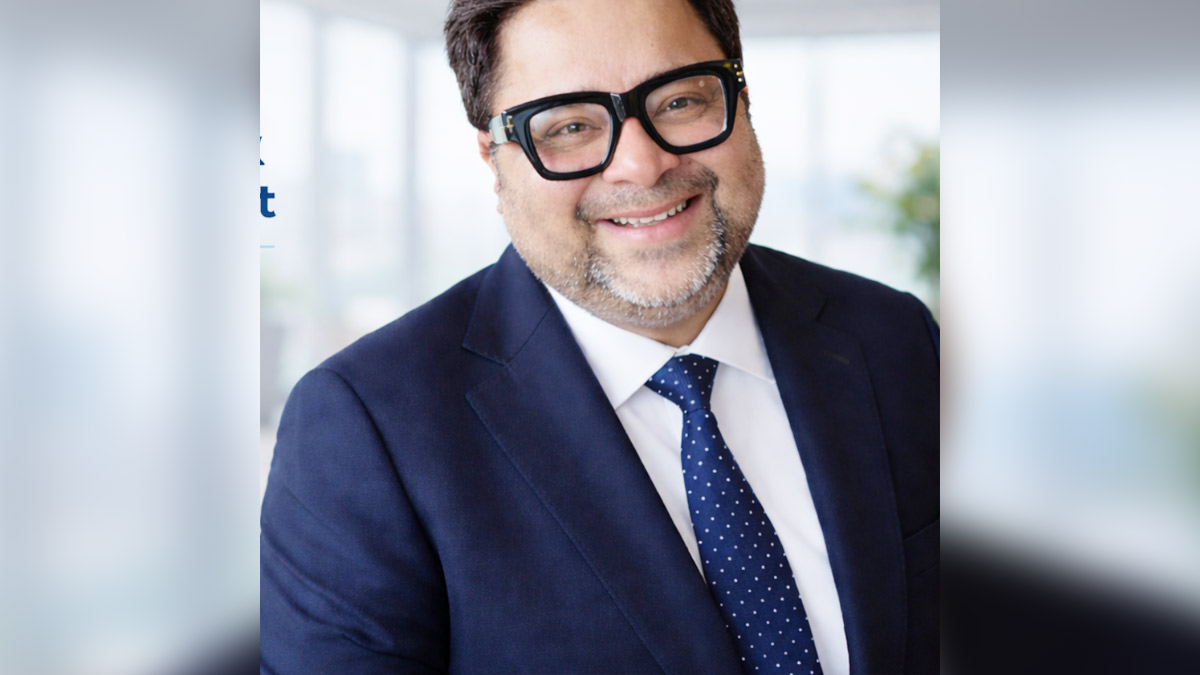
NOIDA: Piyush Thakur has stepped away from Inshorts Group after nearly 10 years with the company, marking the end of a long tenure that culminated in his role as chief revenue officer.
In a farewell note, Thakur said he was “turning a new page” after almost a decade at Inshorts, calling it one of the hardest professional decisions he has made. He added that his exit was not driven by uncertainty about the future, but by reflection on a long association with the company.
Thakur joined Inshorts in October 2016 as vice president and spent around seven years in the role before being elevated to chief revenue officer in April 2024, a position he held until April 2026.
He said his tenure was defined by “thousands of mornings, late nights, product debates and breakthrough moments”, as the company evolved into a large-scale digital news platform used by millions.
In his note, Thakur emphasised that Inshorts’ growth was a collective effort across teams, adding that engineers, designers, sales teams and customer support staff all contributed to building the platform. He said the company’s success was not the result of individuals but of “everyone who stayed, passed through, and left their mark”.
Before Inshorts, Thakur worked across several digital media and business development roles. At ESPN, he served as senior regional manager from October 2015 to October 2016, focusing on growth initiatives, strategic opportunities and video distribution.
At Times Internet, he worked for nearly three years, including as head of business development from April 2015 to September 2015 and chief manager from January 2013 to March 2015. His responsibilities included monetisation of mobile platforms, managing media and developer partnerships, and driving revenue across digital properties such as The Times of India and The Economic Times.
Earlier, he worked at Brandmovers as head of business development from June 2012 to June 2013, handling digital, mobile and social media marketing solutions, client development and strategic consulting. During this period, he also worked on advertising revenue, brand strategy and CRM-based solutions.
At Inshorts, Thakur’s role focused on revenue strategy, mobile and media partnerships, and growth initiatives across platforms. His profile highlights experience in mobile product management, digital business models, partner ecosystems and revenue expansion in high-growth environments.







