Content Hub
OTT has been favourable for animated content

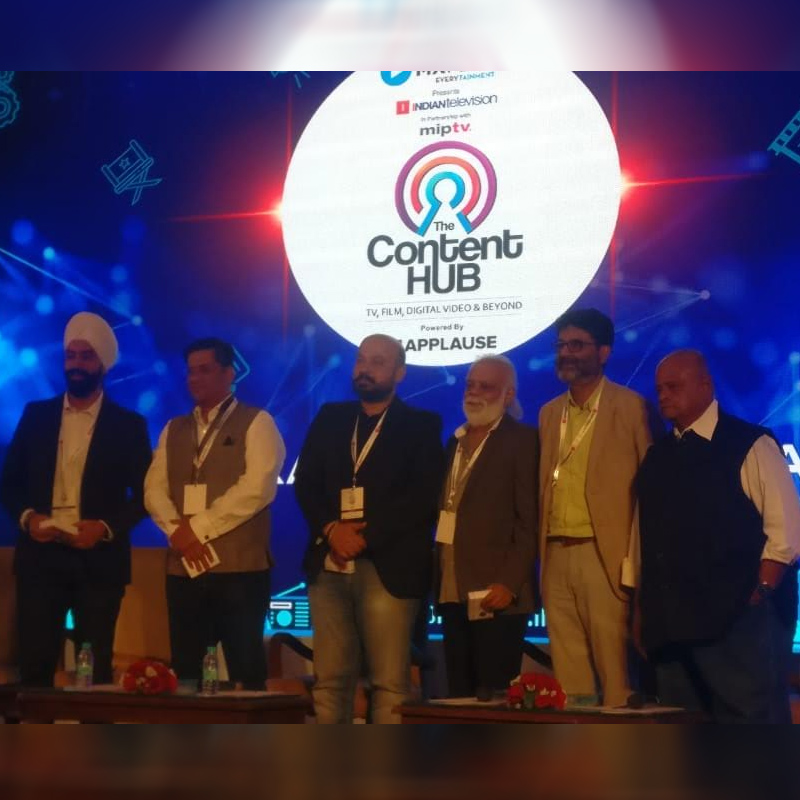
MUMBAI: Much of the Indian TV market is ruled in one way – the broadcasters keep IP rights for the shows and not the production houses. The scenario is the same whether it’s Hindi GEC or kids or lifestyle. Indiantelevision.com’s The Content Hub hosted a panel discussion ‘Animation Producers: Getting Animated’ with panellists Discovery Kids head Uttam Pal Singh, Golden Robot Animation head of business development RK Chand, Paper Boat Animation chairman, creative director Soumitra Ranade and Biscopewala managing partner Nishith Takia. The session was moderated by Kinsane Entertainment CMO Pranab Punj.
Emphasising the retention of IP rights, Ranade said, “IP creation is a big thing and for this socio-political aspects are to be kept in mind as to what kids are watching now and five years later. But for this, we need to create relevant stories. It’s not going to work if we make B grade version of Disney or Pixar.”
Singh said that Discovery Kids is making relatable shows for the Indian market and targeting global reach with OTTs. The idea behind making Little Singham was to create an IP and make it a brand.

While speaking of the emergence of OTT platforms, Singh was of the opinion that he has not seen significant investment from the OTT players to create IPs which come to the OTT platform first and then on linear television. He added, “While OTT is growing and most of the English TV genres have been affected immensely in terms of audiences, the kids' genre, on the other hand, has grown on Indian television. It has grown to 8 per cent as per BARC report and we still see that a broadcaster has maximum reach as opposed to OTT platforms.”
Moreover, Chand said that OTT platforms have given them the scope to explore new ideas and stories. He said, “The entire catalogue of Chhota Bheem was the first kids content on Amazon. OTT gives us a range of audience that isn’t restricted to TV. Netflix and Amazon have enabled us to innovate stories and characters.”
Takia revealed that his company is talking to OTT platforms in a bid to make content for them. He added that budgets restrict the quality of animation. “We feel that very few people understand the aesthetic behind the project. Budgets also restrict the quality of animation. If you want to create high-quality content, you need high budgets,” he said.






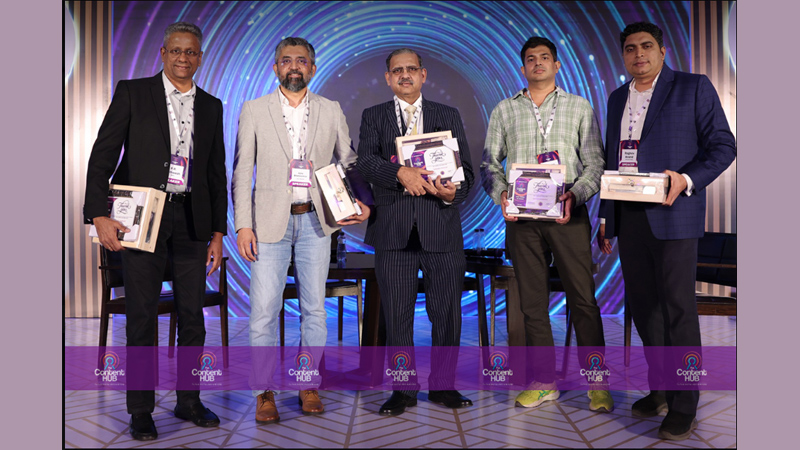
Mumbai: Exploring the shift from regional to national content, this synopsis delves into the trends and challenges. It navigates the transformation, analyzing industry dynamics, emerging trends, and the hurdles faced. From preserving regional variation to adapting to a broader audience, it examines the multifaceted journey of regional content evolving into a national narrative. In what ways do the emerging trends and challenges influence the dynamics of the entertainment industry during this transition? How can creators navigate these changes effectively? What strategic approaches can content creators adopt to strike a balance between maintaining regional identity and fostering a cohesive national narrative in their work? How can the transition from ‘regional’ to ‘national content’ impact cultural diversity within the entertainment industry, and what measures can be taken to ensure the preservation of regional variation?
In a rapidly evolving media landscape, seasoned industry professionals have offered valuable insights into the transformation of content consumption and production. The session was chaired by Ernst and Young partner Raghav Anand, MMTV chief executive officer P.R. Satheesh, Sony Marathi business head Ajay Bhalwankar, PTC Network chairman & MD Rabindra Narayan, Shemaroo Entertainment COO, Digital, Saurabh Srivastava esteemed voices in the field, have articulated their perspectives on the burgeoning shift towards globalised content.
Rabindra Narayan emphasised the dissolution of regional boundaries in content consumption, attributing it to the accessibility facilitated by global platforms and connectivity options. He predicts a future where language barriers will fade, citing the potential of technology to clone and adapt voices, thus enabling seamless localization across languages.
Saurabh highlighted the democratisation of content creation in the digital era, underscoring its empowerment and revenue potential, particularly in linguistically diverse markets like India. He emphasizes the value of culturally rooted storytelling in filling gaps in content supply, with technology enabling effective monetization, especially through OTT platforms.
Ajay Bhalwan sheds light on the evolving landscape of Hindi and regional language content, noting a significant shift where a substantial portion of content on Hindi film channels originates from regional languages. He accentuates the importance of language in enhancing authenticity and audience engagement, exemplified by the strong resonance of Marathi content in Maharashtra.
PR Satheesh underscored the paramount importance of content quality in driving viewership and transcending language barriers. Drawing parallels with the global popularity of Korean dramas, he advocates for leveraging technology, including AI and real-time translations, to enhance content creation and distribution.
These insightful perspectives collectively echoed the industry’s adaptation to a globalised content landscape, where technology catalyzes innovation and accessibility. As content continues to evolve, these experts offered valuable guidance on navigating the dynamic media landscape and maximizing the impact of storytelling in diverse markets worldwide.






