Cable TV
Open House on Interconnect agreements aims at expediting framework

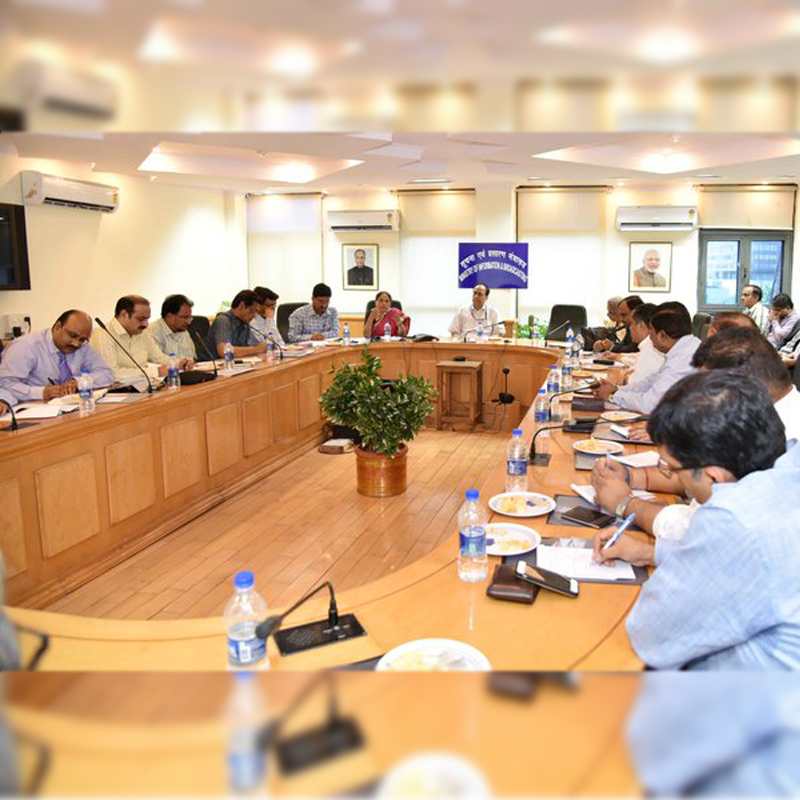
NEW DELHI: Picking up momentum even as the deadline for the final phase of digital addressable system is less than six month away, an Open House discussion is being held on the Telecom Regulatory Authority of India’s consultation paper on Interconnection framework for Broadcasting TV Services distributed through DAS.
This meeting, being held in Delhi on 13 July, comes just over a month after an earlier meeting on Register of Interconnection Agreements dated26May, which had thrown up diverse opinions and led to extension of the date for receiving comments of stakeholders to 10 June on its Consultation Paper.
In the paper issued on 4 May on Interconnection framework for Broadcasting TV Services, TRAI noted that the exceptional growth of the number of TV channels combined with the inherent limitations of analogue cable TV systems had posed several challenges, mainly due to capacity constraints and non-addressable nature of the network. The evolution of technology paved way for bringing about digitization with addressability in the cable TV sector. For implementation of digital addressable systems in the cable TV sector, the Central Government notified the Cable Television Networks (Amendment) Rules 2012 on 28 April 2012. Immediately after the notification of the Cable TV Rules 2012, the Authority notified the Telecommunication (Broadcasting and Cable Services) Interconnection (Digital Addressable Cable Television Systems) Regulations 2012 on 30th April 2012.

These regulations are specifically applicable for DAS whereas the Interconnection Regulations 2004 were applicable for non-addressable cable TV systems and also for other addressable systems such as DTH, HITS and IPTV. The basic features of the Interconnection Regulations 2012 are similar to the basic features of the Interconnection Regulations 2004.
With implementations of DAS, there has been a marked increase in the number of subscribers receiving TV channels through addressable platforms. The number of subscribers being served by the DTH services has also gone up significantly. HITS platforms are also expected to make fast penetration in making available digital broadcasting TV services in the country. Now majority of the subscribers in India are receiving TV signals through digital addressable systems.
TRAI said the interconnection regulations ought to evolve to keep pace with new developments in the sector, while sustaining the fundamental underlying principles of non-discrimination and level playing field. The commercial parameters for revenue share between service providers primarily depend upon the number of subscribers subscribing to channels/ bouquets. The numbers of subscribers in each type of addressable platform are verifiable. To ensure non-discrimination and level playing field amongst the distributors using different digital addressable systems such as DTH, IPTV, HITS, and DAS, it would be in the fitness of things that all these service providers are regulated using the common regulatory framework.
Therefore, the consultation paper was aimed at providing a regulatory framework for interconnection that ensures a level playing field to all types of DAS systems. The consultation paper also discussed issues that the Authority noticed and plausible ways of dealing with those issues in respect of digital addressable systems. The review of the existing regulatory framework is being done with the objective of fostering competition, increase trust amongst service providers, ease of doing business, reduce disputes, improve transparency and efficiency, promote sustainable, orderly growth and effective choice to consumers.





Cable TV
Hathway Cable appoints Gurjeev Singh Kapoor as CEO
Leadership change comes as cable TV faces shrinking subscriber base and modest earnings pressure
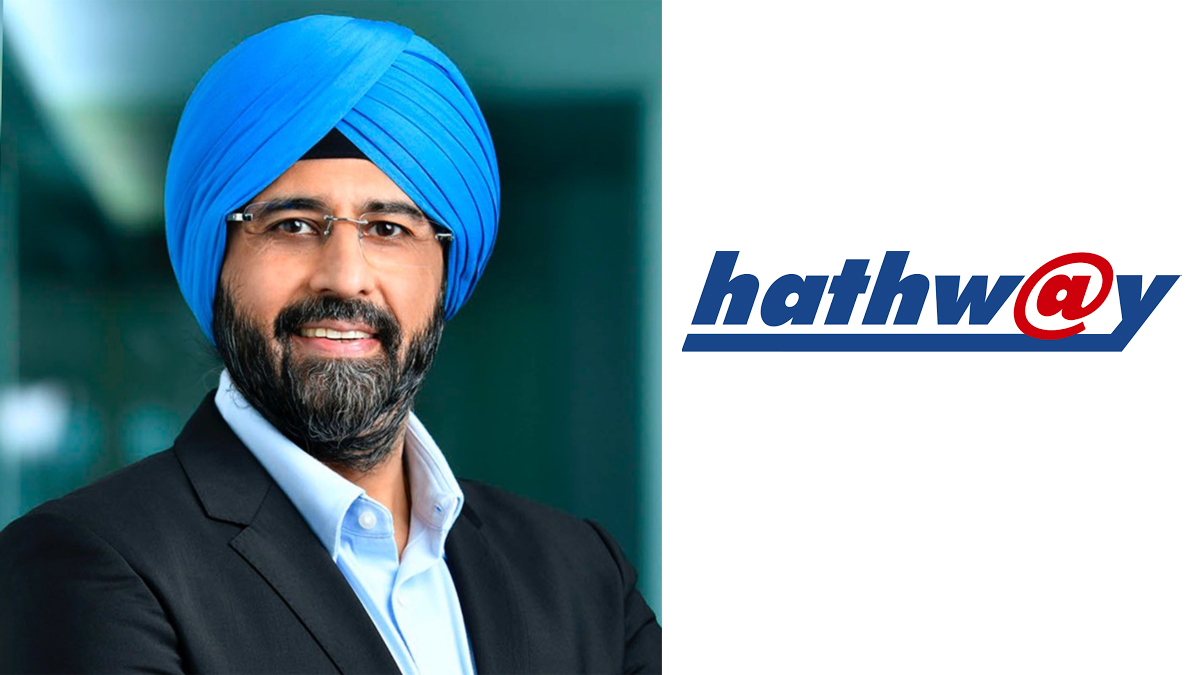
MUMBAI: Hathway Cable and Datacom has tapped industry veteran Gurjeev Singh Kapoor as chief executive officer, marking a leadership pivot at a time when India’s cable television business is under mounting strain.
Kapoor will take over from Tavinderjit Singh Panesar, who is set to retire in August after a long innings with the company. Panesar, chief executive since 2023, has held multiple leadership roles at Hathway, including his latest stint beginning in 2022.
Kapoor brings more than three decades of experience in media and entertainment. He most recently led distribution at The Walt Disney Company’s Star India business, now part of JioStar. His career spans television distribution and affiliate partnerships, with stints at Sony Pictures Networks India, Discovery Communications and Zee Entertainment.
Panesar, with over three decades in the industry, has worked across strategic planning, distribution and business development in media, broadcasting and manufacturing. His past associations include ESPN Star Sports, Star India, Apollo Tyres and JK Industries.
The transition lands as the cable sector grapples with structural disruption. Traditional operators are losing ground to streaming platforms, while telecom and broadband players tighten the squeeze with bundled offerings.
An EY report estimates India’s pay-TV base could shrink by a further 30 to 40 million households by 2030, taking the total down to 71 to 81 million. The slide follows a loss of nearly 40 million homes between 2018 and 2024, a contraction that has already wiped out more than 37,000 jobs in the local cable operator ecosystem.
Hathway’s numbers reflect the strain. The company reported a consolidated net profit of Rs 93 crore for FY25, down from Rs 99 crore a year earlier. Revenue inched up to Rs 2,040 crore from Rs 1,981 crore. As of December 2025, it had about 4.7 million cable TV subscribers and roughly 1.02 million broadband users.
Kapoor steps in with a familiar brief but a shrinking playbook. In a market where viewers are cutting cords faster than companies can reinvent them, the new chief executive inherits a business fighting to stay plugged in.







