Gaming
OnePlus powers up Gods Reign for battle royale glory at BGMI Pro Series

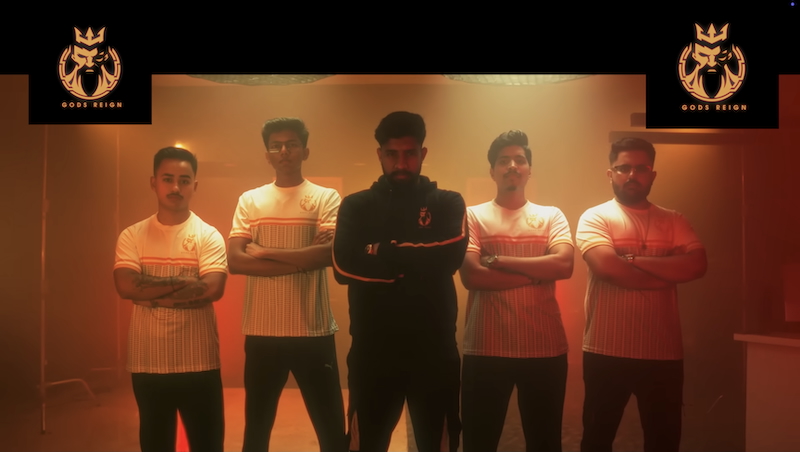
MUMBAI: It’s game on as OnePlus teams up with Gods Reign, one of India’s top-tier BGMI (Battlegrounds Mobile India) squads, in a turbo-charged partnership ahead of the BGMI Pro Series (BMPS) 2025, where 96 elite teams are slugging it out for a whopping Rs 2 crore prize pot.
The tie-up, stitched together by Times One, a unit of Times OOH, blends speed, swagger, and silicon. At the heart of the deal is OnePlus’ mission to cement its gaming credentials by powering Gods Reign’s training grind and match-day performance with its flagship devices—built for buttery frame rates, rapid cooling and marathon battery life.
Having already clinched Rs 50 lakh as ESL Snapdragon Pro Series Season 6 champs, Gods Reign is no stranger to the winner’s circle. Now, with OnePlus tech fuelling their BGMI charge, the team is ready to frag, flank and fire their way to the top once more.

But it’s not just about hardware. The deal brings co-branded storytelling, real-world gamer feedback loops for OnePlus’ next-gen devices, and high-impact content that celebrates the grit behind the game. Think tech meets teamwork, with a generous dose of community buzz.
“This partnership with OnePlus marks a significant milestone for our team. We’re proud to be aligned with a brand that not only understands elite performance but also shares our hunger for innovation and excellence. With Times One’s support, we look forward to creating impactful experiences for our fans and the gaming community,” said Gods Reign CEO & cofounder K R Rohith.
Added Times One gaming business head Kanishka Singh: “At Times One, we believe in the transformative power of esports as the next big cultural movement. Facilitating this partnership between OnePlus and Gods Reign underscores our mission to bring together premium brands and elite gaming talent. We are thrilled to play a pivotal role in scripting this chapter of India’s gaming evolution.”
With Ficci-EY 2025 projecting brand participation in esports to rise from 68 to 75 and player involvement to hit 2.8 million this year, OnePlus’ power play is well-timed. It’s a high-stakes, high-speed partnership that’s already levelling up India’s esports narrative—one kill streak at a time.





Gaming
Konami concludes successful eFootball India campaign
Campaign featuring Rinku Singh, Varun Chakravarthy and other stars boosts engagement ahead of FIFA World Cup 2026.
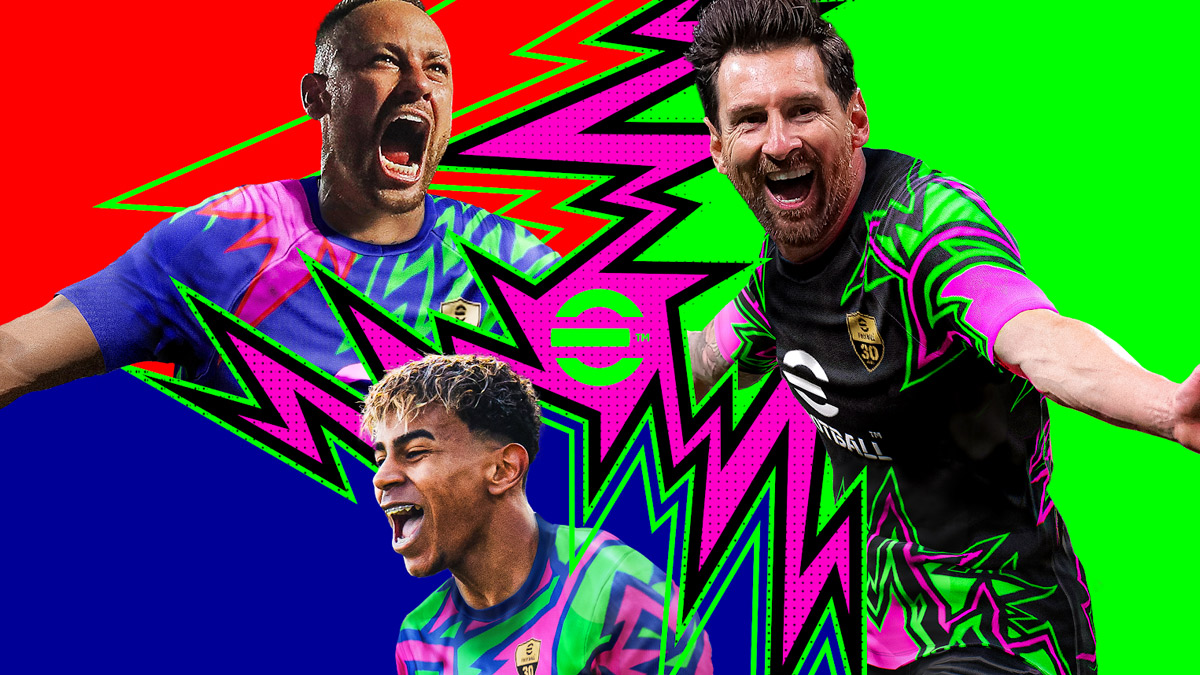
MUMBAI: When cricket meets football in the virtual world, even the biggest fans can’t help but score and Konami’s latest eFootball campaign in India has clearly hit the back of the net. Konami Digital Entertainment has successfully wrapped up its India campaign for eFootball, which brought together cricketers Rinku Singh and Varun Chakravarthy, actors Naslen Gafoor and Chandu Salim Kumar, and footballers Sahal Abdul Samad and Shubhasish Bose. The multi-star campaign generated strong excitement across gaming, football, and creator communities through social content, fan participation, and in-game engagement.
Building on the initial launch that featured a limited-time Lionel Messi card, the campaign united fan communities, lifestyle creators, football creators, and competitive eFootball influencers. It significantly expanded the game’s visibility and deepened engagement with fans across the country.
The campaign also saw thousands of entries submitted as part of its social media engagement challenge, reflecting high levels of community enthusiasm and active creator involvement.
Looking ahead, Konami plans to build on this momentum with more eFootball experiences for Indian fans as the FIFA World Cup 2026 approaches. With global attention on the tournament set to rise, India will remain a key market for deepening community engagement and bringing fans closer to the action.
In a country that lives and breathes sport, Konami has shown that mixing real-world stars with virtual thrills is a winning formula leaving fans eagerly waiting for the next goal.






