Broadband
One Broadband crosses half-a-million customers

KOLKATA: ONEOTT iNTERTAINMENT Ltd (OIL), a subsidiary of NXTDigital Ltd the integrated media vertical of the Hinduja Group, has achieved yet another milestone by crossing half-a-million home broadband customers to enter in the top five private wired ISPs in India, joining groups like Reliance JIO combine, Bharti Airtel, Voda-Idea and ACT.
OIL’s vision is to continue to drive the digital inclusion agenda in India by connecting homes and offices online while following its core values of employee first, customer responsiveness, innovation, joyfulness and simplicity. The company in the final stages of launching smart security, smart lighting and IoT solutions for smart living, thereby, bringing ‘Future-To-The-Home powered on a Fiber-Optic To The Home (FTTH)’.
OIL CEO Yugal Kishore Sharma said, “OIL has consistently strived to transform the lives of its customers by providing a seamless internet experience backed by a proactive & responsive customer care over ONE Wire using ONE Device for ONE Home aligned with our brand identity – ONE. OIL has had a stupendous 32x growth with its customer base crossing the half-a-million mark in the last 4 years of its operation with commensurate growth in revenues. From being a small player in the over 50+ ISPs about 4 years back to now moving into the top five Private wired ISPs, this is an achievement by any yardstick.”

OIL looks to leverage this huge opportunity where the usage of internet in these Covid2019 pandemic times has moved beyond browsing and social networking to work-from-home, on-line education, OTT entertainment & gaming, online-shopping, online-health, e-governance, others. Coping-up with the ever-increasing demand for the internet, OIL has adapted to this consumption surge by doubling its internet capacity on the supply side without passing the additional cost to its customers to maintain the customer experience that has led OIL to add at an average of about a thousand customers a day during the pandemic.
OIL plans to consolidate its operations and work on equitable partnerships with last-mile owners or LMOs. NXTDigital today connects 5.38 million video subscriber homes in 1500+ cities and towns of India through its digital cable television (CATV) and headend-in-the-sky (HITS) platforms, served by over 9,000 LMOs. The company is leveraging this huge synergy to upsell and bundle internet services to each of these video homes. Enabling these high potential growth markets with high-speed-internet and digital platform services with LMOs is the key to OIL’s go-to-market strategy.
It has successfully evolved its inorganic growth model by leveraging operational synergies with smaller ISP strategic partners. The organization will lead the on-demand economy wave by offering convergent solutions, such as internet, OTT and voice over one wire one device for one family.
Yugal Sharma also shared that, in 2019, OIL announced a strategic partnership with Facebook to provide Wi-Fi hotspots across Mumbai. OIL’s ‘ONE Express Wi-Fi by Facebook’ Hotspots extend an umbrella coverage across Dharavi in Mumbai, enabling consumers to access free 2GB data per day for first 30 days to serve its vision to lead contribution to lead contribution to the digital inclusion in India.







Broadband
ACT Fibernet elevates Aditya Singh to chief customer experience officer
Former senior vp to drive service, retention and delivery revamp
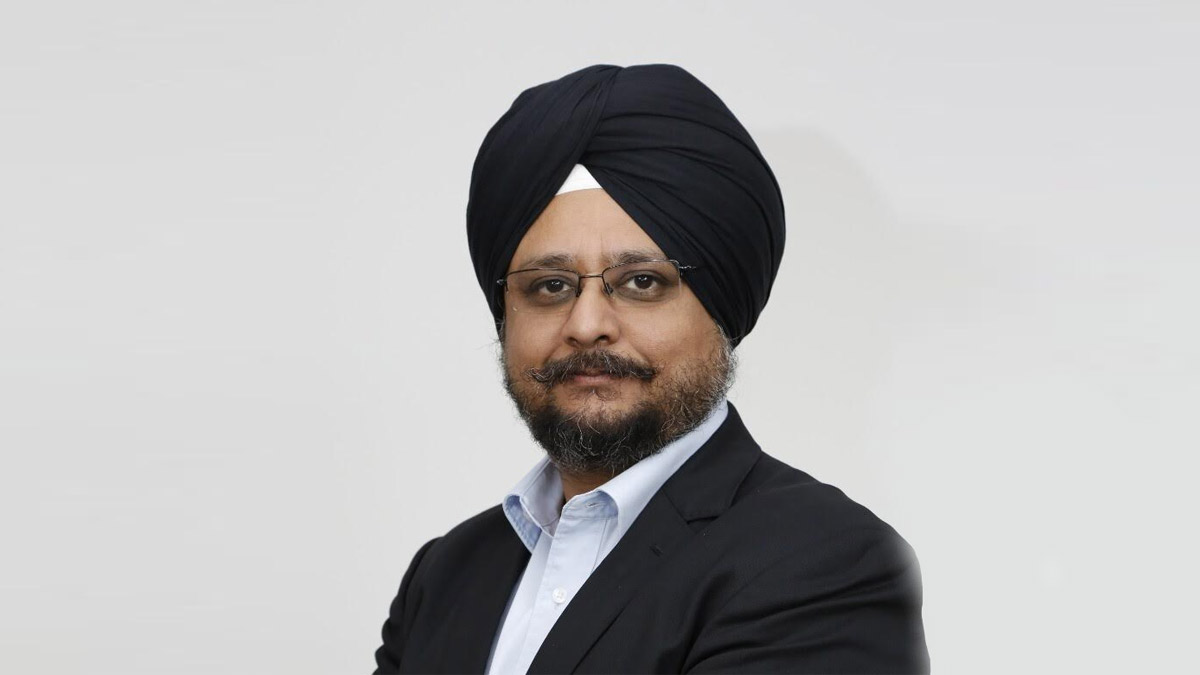
BENGALURU: ACT Fibernet has elevated Aditya Singh to chief customer experience officer, effective 1 January, 2026, as the broadband provider seeks to tighten its grip on service quality in an increasingly competitive market.
Singh, who previously served as senior vice-president – customer experience and loyalty at group level, will now join the executive committee and lead the company’s end-to-end customer transformation agenda.
The move gives him oversight of customer service, customer retention and service delivery, alongside a broader mandate to strengthen network resilience and field operations. The company said the reshuffle underlines its intent to deliver a “consistent, seamless and superior” experience to its 2.3m subscribers across more than 30 cities.
Headquartered in Bengaluru, ACT Fibernet, the consumer-facing brand of Atria Convergence Technologies Limited, is one of India’s largest wired internet service providers. It has built its pitch on high-speed connectivity and responsive customer support, at a time when fibre roll-outs and price wars are redrawing the broadband map.
In a statement, Singh said he was “deeply honoured” to take on the expanded brief and join the executive committee as the company sharpens its focus on simplifying customer touchpoints and turning subscribers into brand advocates.
The elevation signals a clear priority: in a crowded fibre market, customer experience is fast becoming the decisive battleground.








