Applications
Nick in deal with Fuhu to launch co-branded tablet


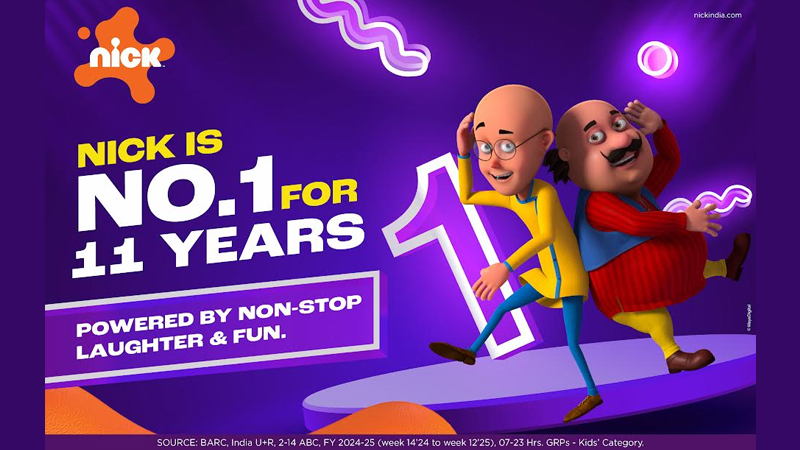
MUMBAI: Nickelodeon and Fuhu have signed a multi-year deal to produce and distribute Nickelodeon-themed tablet accessories and nabi Jr. tablets pre-loaded with the network‘s content.
The first release of the partnership is the recently launched, touch screen nabi Jr. tablet, filled with educational apps, games, and videos, from hit Nickelodeon preschool series including Dora the Explorer, Team Umizoomi and Bubble Guppies.
This spring, a line of Teenage Mutant Ninja Turtles-inspired mobile tablet accessories, such as character bumpers, Kinabis and stands, will be available nationwide, ranging from $19.99 to $79.99.

“We are thrilled to partner with Fuhu, Inc., they are a leader in designing state of the art devices and kid-friendly mobile tablet accessories,” said Nickelodeon Consumer ProductsSenior Vice President, Global Toys and Consumer Electronics Manuel Torres.
“Bringing our captivating characters and adventure-filled stories to the nabi Jr. tablets; and our line of Teenage Mutant Ninja Turtles-themed accessories, offers Nickelodeon fans a deeper connection with their favorite properties wherever they are.”
“We are honored to partner with Nickelodeon, a company that is synonymous with rich and engaging kids and family entertainment, and is genuinely humbling to be creating a unique technology platform like nabi Jr. in collaboration with Nick Jr. content. We believe that this partnership will bring children consumer electronics, learning and entertainment to the next level,” said Fuhu CEO Jim Mitchell.
“As a leader in entertainment and education, we are thrilled to bring Nickelodeon content to nabi Jr. tablets. Our preschool fans, with their parents, can learn while interacting with characters they love across games, videos and books,” said Nickelodeon Group VP, Games Vikram Goel.
Additionally, Fuhu, Inc. is an associate sponsor of Nickelodeon‘s 26th Annual Kids‘ Choice Awards 23 March. The nabi Jr. tablet features an Nvidia Tegra dual-core processor, Android 4.0 ICS, 5-inch high-resolution (800×480) capacitive touch screen and rotating front and back camera for only $99.
nabi Jr. is a breakthrough product that redefines education with the first tablet-based adaptive learning system that takes a holistic approach to courseware vs. individualised textbooks and stand-alone apps.



Applications
With 57 per cent single new users, Ashley Madison rebrands as discreet dating platform
Platform says majority of new members now identify as single
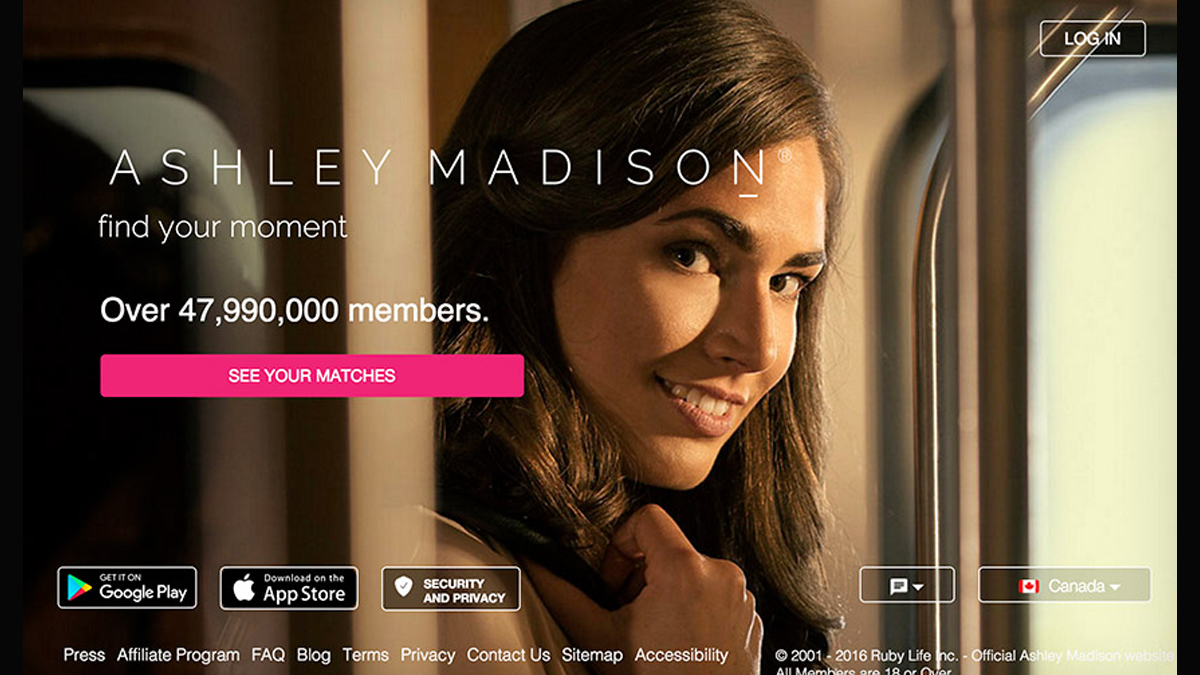
INDIA: Ashley Madison is shedding the “married-dating” label that defined it for two decades, repositioning itself as a platform for discreet dating in what it calls the post-social media age.
The rebrand, unveiled in India on 27 February, 2026, marks a structural shift in business model and identity. Once synonymous with married dating, the company now describes itself as the “premier destination for discreet dating” under a new tagline: Where Desire Meets Discretion.
The pivot is data-driven. Internal figures show that 57 per cent of global sign-ups between 1 January and 31 December, 2025 identified as single: a notable departure from the platform’s married core. The company argues that its community has already evolved beyond its original positioning.
“In an age where our lives have been constantly put on public display, privacy has become the new luxury,” said Ashley Madison chief strategy officer Paul Keable. He framed the platform’s offering as “ethical discretion” for singles, separated, divorced and non-monogamous users seeking private connections.
The shift also taps into wider digital fatigue. A global survey conducted by YouGov for Ashley Madison, covering 13,071 adults across Australia, Brazil, Canada, Germany, India, Italy, Mexico, Spain, Switzerland, the UK and the US, found mounting discomfort with hyper-public online lives.
Among dating app users, 30 per cent cited constant swiping and messaging as a source of fatigue, while 24 per cent pointed to pressure to curate public-facing profiles and early personal disclosure. Some 27 per cent said fears of screenshots or information being shared contributed to exhaustion; an equal share cited unwanted attention.
The retreat from oversharing appears broader. According to the survey, 46 per cent of adults actively try to keep most aspects of their life private online. Only 8 per cent feel comfortable sharing most aspects publicly, while 35 per cent say they are becoming more selective about what they disclose.
Ashley Madison is betting that this cultural recalibration towards controlled visibility can be monetised. By doubling down on privacy infrastructure and reframing itself around discretion rather than infidelity, the company is attempting to convert reputational baggage into a premium proposition.






