News Broadcasting
News24 to hike ad rates by 40% post revamp

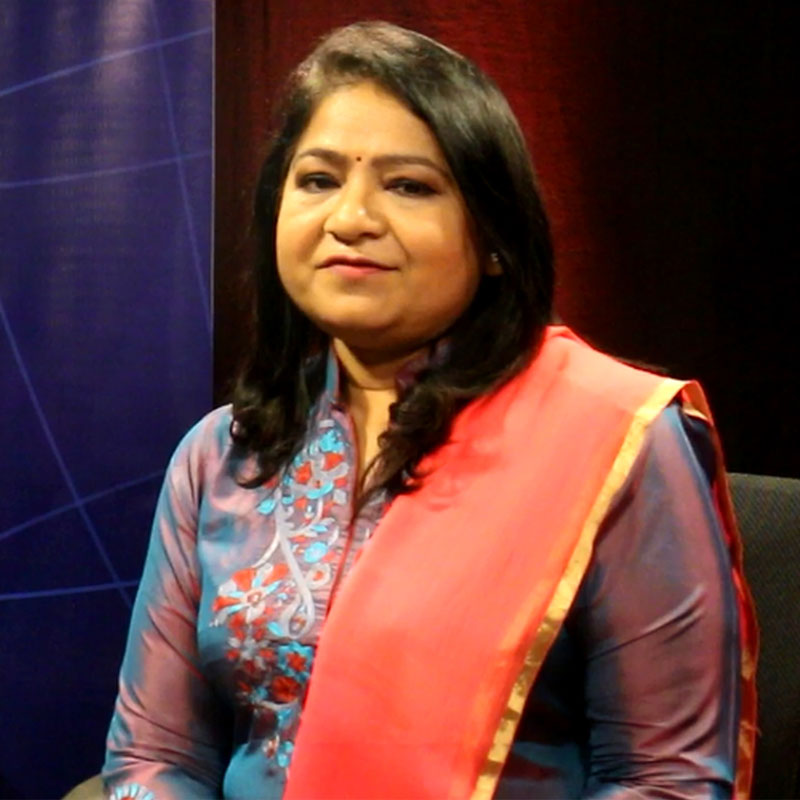
MUMBAI: A decade after making a headway into India’s burgeoning news TV industry, Hindi news channel News24 has given itself a makeover to stay relevant in the current times. The channel, owned by BAG Network and Media, got a new logo design and tagline of ‘Think First’ earlier this month.
Talking to Indiantelevision.com, BAG Network CMD and News24 editor-in-chief Anurradha Prasad said that the revamp was initiated since the channel had completed 10 years in the market and as she expected 2018 to be a major milestone for the industry.
“After the revamp, which involves several operational changes, we plan to increase the ad rates by 30-40 per cent. We are gearing ourselves up for an action-packed 2018 since it will be a very big year for news thanks to the state and general elections,” Prasad pointed out. She pegged the Hindi news genre at Rs 5000 crore in terms of revenue, significantly larger than the English news genre.

Distribution is the biggest challenge for the industry and the cost involved is high. “Since we are a free-to-air channel, our entire revenue is dependent on advertisers. If all the FTA channels spend 60 per cent of that for distribution, it is bound to impact the content. The way forward is through optimal use of technology and smartphones,” she said.
Alongside the channel refresh, the channel’s shows have received a brand-new look as well. Sabse Bada Sawwal with Sandeep Chaudhary airs at 7 pm followed by Rashtra ki Baat with Manav Gupta. In the former, experts provide their views on the latest issues and question the authorities. In the other show, the anchor sheds light on the current affairs, news updates and social issues of the country.
Prasad says that the channel is bringing out a new cybercrime show for the weekend that will be an eye-opener for the youth and parents. “People are unaware of the dark web and how it operates and the 13-episode show will aim to unravel that.”
The channel aims to empower its viewers with news without any agenda. According to Prasad, News24 has a reach of 7.5 to 8 crore households a week with presence in 90 per cent of homes in the Hindi-speaking market.
Also Read :
Debates continue to reap rewards for Eng news channels on prime time
Right time for India-centric global news channel: Smriti Irani



News Broadcasting
CNN-News18 to host Fury in the Gulf conclave on West Asia crisis
Three-hour summit to unpack geopolitical fallout and impact on India
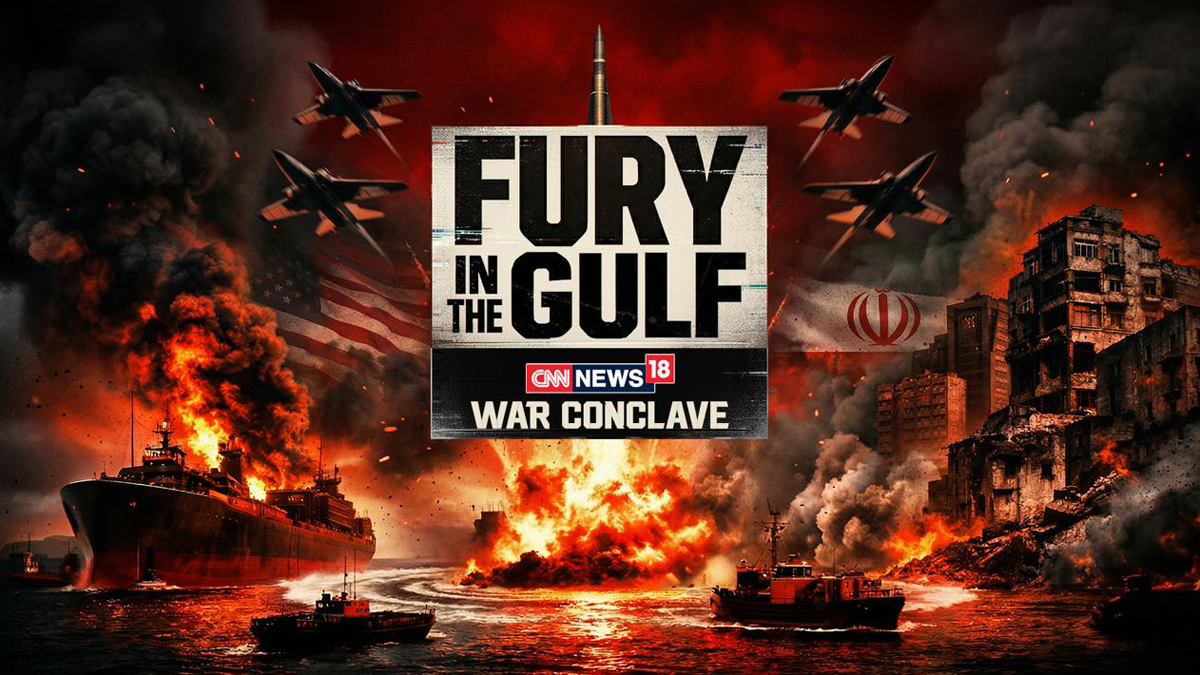
MUMBAI: CNN-News18 is set to host a special three-hour broadcast, Fury in the Gulf – War Conclave, on April 7, aiming to decode the escalating West Asia crisis and its far-reaching implications for India.
Scheduled from 4:00 PM to 7:00 PM, the conclave comes at a time when tensions between Iran and the United States are reshaping global geopolitics and triggering economic uncertainty. With India’s deep energy ties, trade links and large diaspora in the Gulf, the developments carry significant domestic relevance.
Built around the theme ‘Conflict, Consequences, and The Future,’ the programme will feature six curated sessions combining one-on-one interviews and panel discussions. The focus is to cut through the clutter and offer viewers a clearer understanding of the fast-evolving situation.
Key sessions include ‘Diplomacy in Times of War’ featuring Shashi Tharoor, and ‘World After the Iran Conflict’ with voices such as Ram Madhav, Reuven Azar, representatives from the European Union and the Iranian Deputy Envoy. Another session titled ‘Another Dunkirk?’ will bring together K. J. S. Dhillon and Jitin Prasada among others.
CNN-News18 editorial affairs director Rahul Shivshankar said, “In times of war, clarity becomes the most powerful tool. Fury in the Gulf – War Conclave brings together credible voices to address the questions and confusion that arise amid an overwhelming influx of information.”
He added that the initiative is aimed at delivering “facts, perspective, and insight” at a time when misinformation can easily cloud public understanding.
Echoing the sentiment, CNN-News18 CEO– English and business news Smriti Mehra said the conflict marks a defining global moment, with consequences that extend well beyond the region. She noted that the conclave seeks to present the crisis with “depth, nuance and responsibility” so audiences can better grasp its real-world impact.
As geopolitical tensions continue to dominate headlines, the conclave positions itself as an attempt to bring order to the noise, offering viewers a structured, insight-led look at a complex and rapidly shifting global situation.






