I&B Ministry
New govt issues licences to three new channels

NEW DELHI: With the Government expediting the process of clearing permissions for new television channels after a lapse of almost three months in view of the Model Code relating to the General Elections, three new television channels have received permissions as on 28 July taking the total to 798.
However, there has been some change in the tally of the channels. The total number of news channels has gone up from 393 to 397 while the number of non-news and current affairs channels (general entertainment channels) has come down from 402 to 401.

To speed up the clearance process, the Information and Broadcasting (I&B) Ministry now holds the open house meetings with stakeholders twice every month instead of once.
At present, the number of TV channels permitted for uplink from and downlink to India is 671 (of which 375 are news channels); while channels permitted for uplink from India but not permitted to downlink in India are 34 (of which 28 are GECs).
93 channels including 77 GECs have been permitted to only downlink into India as they are uplinked from abroad.
The three new channels permitted in June and July are the non-news Peace of Mind owned by God Media, the Punjabi news channel ABP Sanjha by Media Content and Communication Services, Patrika TV Rajasthan owned by Rajasthan Patrika which will beam news in Hindi, English and all other languages.
A large number of new applications are pending including those of Star India for its second Tamil channel and Epic TV. Sources say that nearly hundred applications are pending clearance at various stages either with the I&B Ministry, Home Ministry or the Department of Telecom.
The first four months of 2014 saw licences being given to nine channels including AXN HD and SET HD.





I&B Ministry
MIB halts news TRPs for four weeks over sensational US-Iran conflict coverage
Government flags panic-mongering in television war coverage
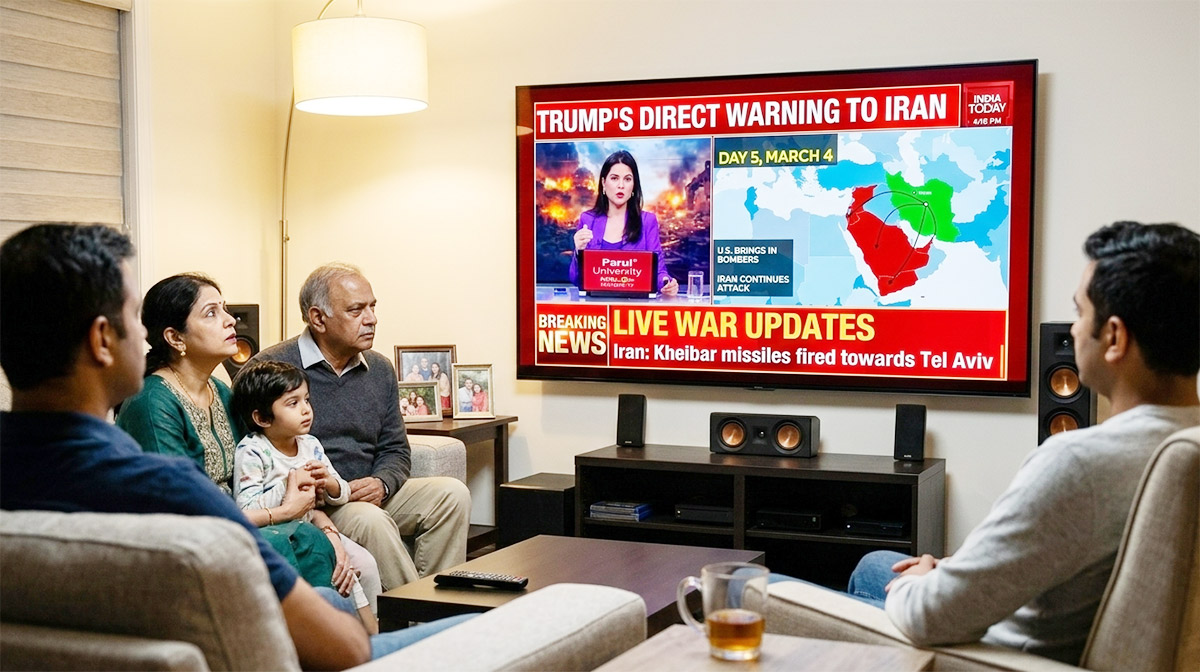
NEW DELHI: India’s Ministry of Information and Broadcasting directed the Broadcast Audience Research Council India (BARC) to suspend television ratings for news channels for four weeks amid concerns over sensational coverage of the ongoing conflict involving the United States and Iran.
According to media reports, the move intends to curb excessive dramatisation in television reporting that could trigger unnecessary public anxiety.
Officials have observed that several news broadcasters are amplifying developments in the conflict in ways that may fuel panic among viewers. By temporarily halting the publication of viewership data, the ministry hopes to ease the competitive pressure on channels to chase ratings through sensational content.
The suspension will remain in effect for one month for now. During this period, television news channels will continue to broadcast as usual, but their audience measurement figures will neither be counted nor released.
Authorities will monitor both the evolving geopolitical situation and the tone of television coverage during the pause. The four-week suspension could be extended if the government believes the risk of panic-mongering or sensational reporting persists.