iWorld
Netflix to boycott Cannes Film Festival 2018?

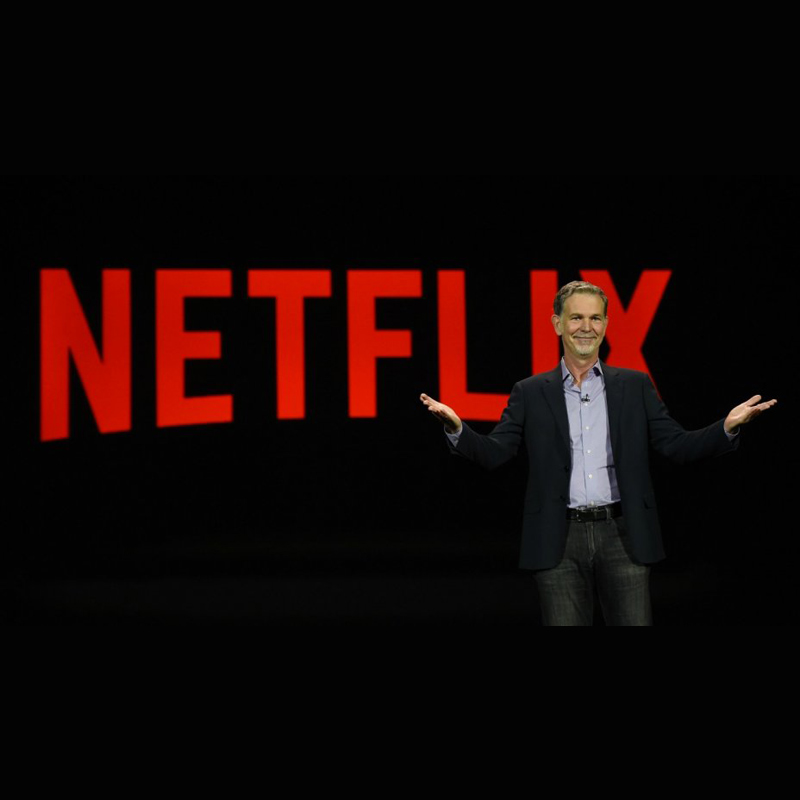
CANNES: Netflix is known to do things differently. While almost everyone trips over every hurdle to get into the Cannes Film Festival, the world’s largest streamer is mulling over giving it a miss this year.
The reason: festival director Thierry Fremaux’s announcement last month that he would not open the doors to any producer to enter the Cannes official competition selection if the film does not have a theatrical release in France. It had enforced the stricter regulations in 2017 and Fremaux reaffirmed that the regulations would stay last month.
And that seems to have got the Netflix management, led by Reed Hastings and Ted Sarandos, agitated as one of the world’s largest creators of content releases most of its films on its over the top (OTT) platform for consumption by its 117 million paid users.

The film festival’s team, however, has allowed studios, without a French release for a film, to submit it for screening but not take part in the Palm D’Or competition.
French law forbids films released theatrically in France to be shown online until a three-year window since the first exhibition is crossed; which does not make for a good business model for Hastings, as subscribers pay anywhere between $9 and $14 for a Netflix subscription, depending on whether pricing plan is basic or premium. And the streaming service is not about to change its biz model for the festival. Last year the Cannes Film Festival competition jury president Pedro Almodovar had raised a stink that having a film win the Palm D’Or without a theatrical release was unthinkable. French theatrical exhibitors have been fuming that Netflix films are not being released in their cinemas, thus cutting them out of potential revenues.
Hastings and Sarandos were not available for comment at the time of writing. But Reed unequivocally had stated at the time when the rules were announced last year by the festival that the “establishment” was “closing ranks” on his company.
Also Read :
Siddharth Kumar Tewary features among Asian producers to watch at MIPTV
Cannes Lions awards lifetime achievement to Piyush & Prasoon Pandey
TVF’s ImMature first Indian show to reach Canneseries




iWorld
Parineeti Chopra hosts new parenting series Mom Talks on Zee5 and Bullet
Celebrity parents share honest stories in 9-episode show launching 4 April 2026.

MUMBAI: Parineeti Chopra is stepping into a brand-new role not on the big screen, but as the warm, relatable host helping parents navigate the beautiful chaos of raising children. Bullet microdrama and Zee5 have announced the launch of Mom Talks, a fresh content-led IP hosted by the popular actress. The 9-episode series brings together celebrity parents including Imran Khan, Neha Dhupia, Vikrant Massey & Sheetal, and Gauahar Khan & Zaid Darbar to share candid, real-life perspectives on everyday parenting.
Positioned as a high-engagement format, Mom Talks taps into the growing demand for authentic and credible parenting content. It also offers seamless, contextual integration opportunities for brands. The series is backed by a strong lineup of partners including Johnson’s Baby, GSK, Aveeno Baby, Mini Klub, Titan Eye+ and Cordelia Cruises.
Bullet microdrama app, co-founder & chief business officer Azim Lalani said the show exemplifies how content is evolving towards more rooted, sustained engagement. “It’s about bringing content that people come back to, while creating a natural space for brands to be part of the narrative,” he noted.
Mom Talks creator Bullet head of AVOD & partnerships Munaf Merchant explained the core idea, “We wanted to build a safe, honest, one-stop destination for parents seeking real answers to everyday questions.”
The first episodes will stream for free on ee5 AVOD starting 4 April 2026, with new episodes dropping every Friday and Saturday. The series will also be available on the Bullet microdrama app.
Speaking about their association, Peeyush Unikkat from Johnson’s Baby highlighted the brand’s focus on supporting modern parenting journeys, while Aakash Mehta from GSK emphasised the show’s role in making important health conversations more relatable for new parents.
In a digital space often filled with filtered perfection, Mom Talks promises something refreshingly real honest conversations, celebrity insights, and practical wisdom, all wrapped in Parineeti Chopra’s engaging presence. For Indian parents, this could be the parenting series they’ve been waiting to binge.






