iWorld
Netflix steps up marketing drive in India, finally


MUMBAI: There are finally some ripples in sight in the otherwise still surface of Netflix’s marketing efforts in India. From carefully curated short videos hashtagged #LifeWithoutNetflix that are doing the rounds on social media, to meme wars with market rival Hotstar on Twitter, we are seeing more of the American over-the-top video giant’s activity recently — a change from its initial presence in the market.
https://www.facebook.com/NetflixIN/videos/1008915785888828/
“The #LifeWithoutNetflix social campaign was created primarily to share with our users the things we love about Netflix and the great stories they can find on our service. We want to build communities within the Indian audience to help them discover content they will love, and also to understand what they want in an entertainment experience,” shared a spokesperson from Netflix team based in Singapore.

On the recent Twitter spat with Hotstar over an internet meme and its omnipresent rivalry with the Star India owned OTT platform Hotstar, Netflix shared, “Because the entertainment market is so broad, there is an opportunity for multiple brands to be successful. Many people will subscribe to several services (including Netflix) since we have different, exclusive content.”
For more details on this, please read
Apart from its quick rise to be a market leader in the digital video space, what makes Netflix stand out is its effervescent marketing campaigns. Believe it or not, its trademark ads are part of the reason it is a brand to be reckoned with, in several mature markets. And there are no rewards for guessing which media it’s best at. Netflix is known to be bullish with its social media campaigns, with each new market it enters. And yet, its touchdown on Indian soil earlier this year was marked with limited fanfare on the company’s part. No gala launch events, no press conferences with big names, no over the top PR drive. It was left to the overzealous media and enthusiastic netizens to spread the word organically.
Therefore, industry couldn’t help ponder if this was a strategy of some sort, or Netflix simply wasn’t ready enough to take on the Indian market head on. Or maybe it is not on its priority list, given the fact that Indian audience still hasn’t fully accepted the SVOD way.
Studying the market and spotting the real problems that is native to the audience was part of the reason for keeping a low profile before taking a plunge, a Netflix official pointed out. After all, a campaign gone wrong is probably worse than no campaign at all.
“It’s early days in India and there’s still much to learn and discover so that we can keep making the Netflix experience better. We are pleased with how consumers in India are discovering Netflix. They like the fact that we are a flat-fee unlimited viewing commercial-free experience, can cancel anytime without commitments. They can watch as much as they want, anytime, anywhere, on nearly any Internet-connected screen,” Netflix shared. Therefore, to start with, building awareness is Netflix India’s primary task when it comes to marketing.
Netflix has also somewhat caught the nerve of the Indian audience’s watching taste. “For now, we very quickly see that the shows Indians love are very much similar to what we see in other markets and the top ones are Netflix Originals like Master of None, Narcos, Marvel’s Daredevil and Marvel’s Jessica Jones,” the spokesperson pointed out.
Analysts and brand consultants have time and again cited Netflix’s ads as the perfect blend of problem solving and brilliant storytelling. A good example is when Netflix coined a whole new term – ‘Netflix Cheating’ to address couples who watch shows together.
Thus, building that niche in every market is an essential part of the brand’s communication strategy. Building a culture around local content, of course, is the key to that.
“On the local front, we are pursuing recent Bollywood titles, notable indie films, memorable classic Bollywood titles and the best of regional cinema (Tamil, Gujarati, Punjabi, Marathi). Our goal is to bring Indian cinema to not only all regions of India but to the world so you’ll find Indian film titles in all countries in which Netflix exists, accessible to all our over 81 million members. For example, Brahman Naman, a coming-of-age comedy by celebrated Indian director Q, is now available globally only on Netflix. Coming up, Raman Raghav 2.0 is also among the titles that we picked up at Cannes this year as an exclusive on Netflix. Sacred Games is Netflix first original series from India, which will be produced in partnership with Phantom Films,” the Netflix official added in parting.
With so much on the way for Netflix audiences in India, one can anticipate the company to maintain a consistence interaction with streamers online through more engaging and snaky videos, and memes. Although the market has yet to see a high decibel campaign from digital media giant.




iWorld
Samay Raina confirms return of India’s Got Latent after controversy
Still Alive mixes humour and reflection as comedian revisits 2025 row
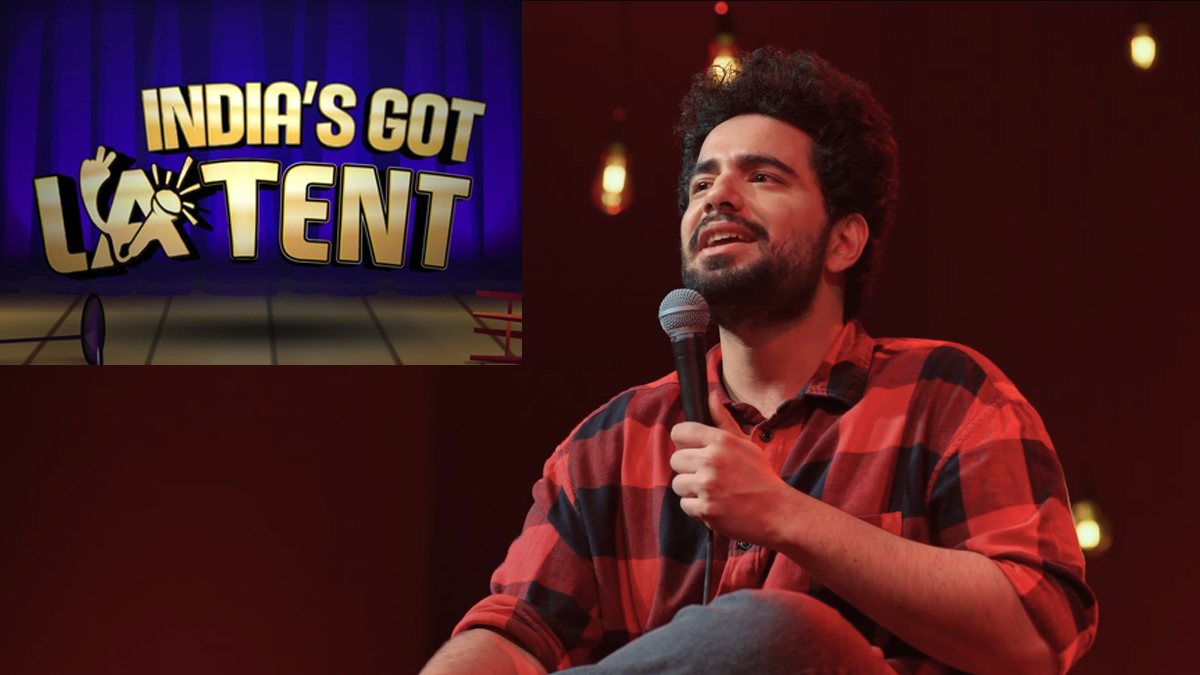
MUMBAI: Samay Raina has signalled a possible return of his controversial show India’s Got Latent, using his latest stand-up special Still Alive to address the past and hint at what lies ahead.
Released on YouTube, the special marks Raina’s most candid take yet on the backlash that forced the show off air in 2025. While much of the performance leans on humour, it also dips into more reflective territory, offering a glimpse into the emotional toll of the controversy.
Recounting the fallout, YouTube comedian samay raina said, “We were both extremely unsettled. How would we navigate this? It was terrifying. We were lost as to what was happening.” He also spoke about a moment involving fellow comedian Balraj Ghai’s family, describing it as overwhelming and difficult to process.
The personal impact of the episode came through most strongly when Raina spoke about his family. He admitted he struggled to even answer a call from his mother during the crisis. YouTube comedian samay raina said, “I hesitated to answer her call and show my tear-streaked face. How would she react? My mom is unaware of anything except how to love.”
Amid the introspection, Raina also dropped a clear hint about the future of his show. While he believes the first season ended on a high note, he confirmed that he intends to revive it. YouTube comedian samay raina said, “I will bring back the show because it used to be fun making it.”
The original run of India’s Got Latent had been pulled down following widespread criticism and legal scrutiny over controversial remarks that went viral, prompting debates around content boundaries in India’s digital entertainment space. Raina later removed episodes and issued an apology, stepping back from major releases for a period.
His return now appears more measured, blending humour with reflection and signalling a creative reset. He also hinted that the next iteration of the show could be more raw and unfiltered, though details remain under wraps.
For fans, the takeaway is simple. The show that sparked both laughter and debate may be gearing up for a second act, with Raina ready to test the limits once again, this time with a sharper sense of where the lines lie.






