Gaming
Nazara acquires skill gaming platform OpenPlay for Rs 186 cr

Mumbai: Nazara Technologies, home-grown diversified gaming and sports media platform has announced that it has acquired 100 per cent stake in Hyderabad-based skill gaming company OpenPlay for a total consideration of Rs 186.4 crores.
OpenPlay operates a multi-game consumer gaming platform under the “Classic Games” brand which hosts popular skill-based games while following high standards of technology, game fairness, advance player protection, security, AML and advertising standards. It currently has an annualised gross gaming revenue run rate of Rs 80 cr and is operating on EBITDA positive margins.
Nazara CEO Manish Agarwal said, “The OpenPlay acquisition offers an opportunity for Nazara to build a network of skill gaming destinations operating on one common tech platform under the proven leadership of Sreeram and his team at OpenPlay. Sreeram is a successful entrepreneur globally in online real money gaming and we are excited that he will be leading Nazara’s growth in this sector.”

OpenPlay is led by Sreeram Reddy Vanga who is a serial entrepreneur in the global online gaming industry. In his previous avatar, he founded and led CozyGames to become the second largest Bingo network in the UK before being acquired. He was also part of the early team at PartyGaming which went IPO on London Stock Exchange in 2005.
Sreeram Reddy Vanga said, “I’m excited to join the ‘Friends of Nazara Network’ and look forward to working closely with Nazara leadership and the Network to build India’s largest vernacular social gaming and entertainment platform. Our technology complemented by Nazara’s positioning in the gaming industry in India is the perfect combination for this endeavour.”
The “Friends of Nazara” network comprises established gaming companies in which Nazara holds majority stakes and works actively with existing founders and management teams to rapidly achieve scale. These companies include Nodwin Gaming and Sportskeeda in Esports Next Wave Multimedia, developer of World Cricket Championship (WCC), the largest mobile-based cricket simulation game and Paper Boat Apps, developers of popular gamified early learning app Kiddopia.




Gaming
Konami concludes successful eFootball India campaign
Campaign featuring Rinku Singh, Varun Chakravarthy and other stars boosts engagement ahead of FIFA World Cup 2026.
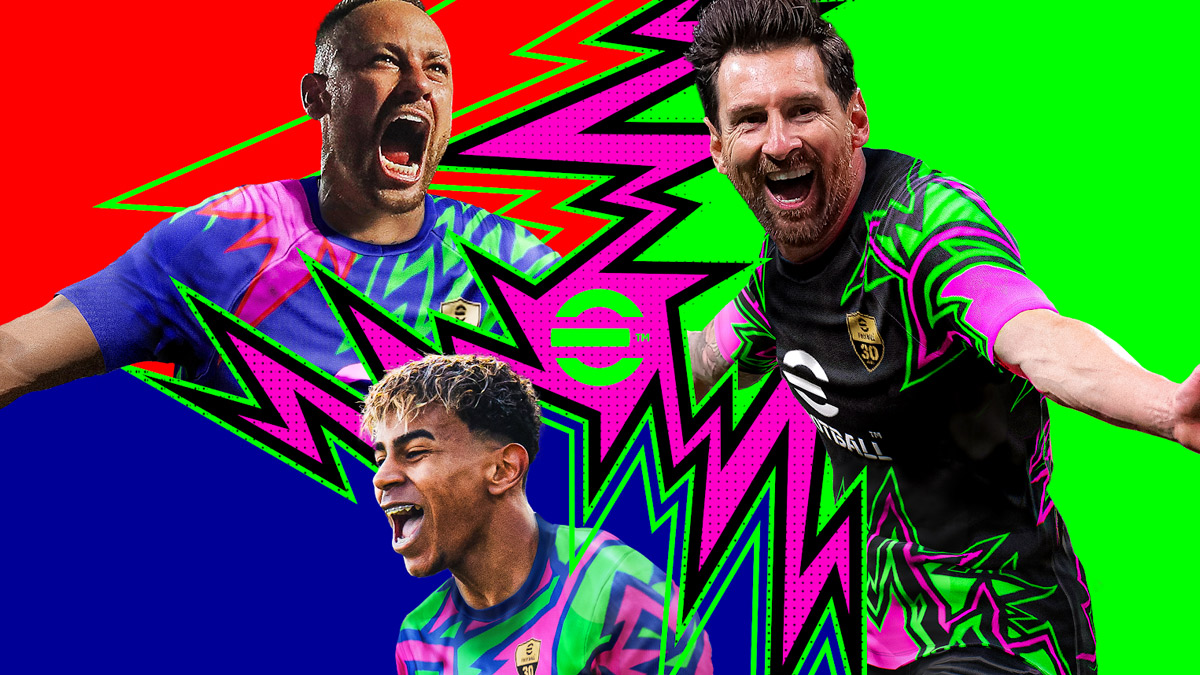
MUMBAI: When cricket meets football in the virtual world, even the biggest fans can’t help but score and Konami’s latest eFootball campaign in India has clearly hit the back of the net. Konami Digital Entertainment has successfully wrapped up its India campaign for eFootball, which brought together cricketers Rinku Singh and Varun Chakravarthy, actors Naslen Gafoor and Chandu Salim Kumar, and footballers Sahal Abdul Samad and Shubhasish Bose. The multi-star campaign generated strong excitement across gaming, football, and creator communities through social content, fan participation, and in-game engagement.
Building on the initial launch that featured a limited-time Lionel Messi card, the campaign united fan communities, lifestyle creators, football creators, and competitive eFootball influencers. It significantly expanded the game’s visibility and deepened engagement with fans across the country.
The campaign also saw thousands of entries submitted as part of its social media engagement challenge, reflecting high levels of community enthusiasm and active creator involvement.
Looking ahead, Konami plans to build on this momentum with more eFootball experiences for Indian fans as the FIFA World Cup 2026 approaches. With global attention on the tournament set to rise, India will remain a key market for deepening community engagement and bringing fans closer to the action.
In a country that lives and breathes sport, Konami has shown that mixing real-world stars with virtual thrills is a winning formula leaving fans eagerly waiting for the next goal.






