News Broadcasting
Narendra Modi picks ETV network for first election interview

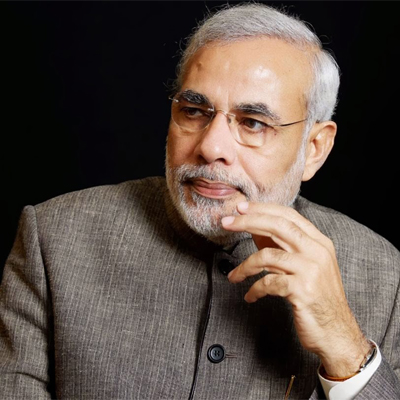
MUMBAI: Ever since Congress vice president, Rahul Gandhi, gave his first ever television interview after making his political debut in 2004 to Times Now editor-in-chief Arnab Goswami, everyone has been waiting with abated breathe which channel will BJP’s prime ministerial candidate opt for.
Finally, the wait is over as Narendra Modi has decided to go the other way and give his first election interview to a regional channel, ETV Gujarati. While the channel’s senior anchor Hari Shankar Vyas was picked to grill Modi, the interview has been conducted in Hindi rather than Gujarati, a move to reach out to a larger audience.

Shot on 27 March, the one and a half hour episode will be telecast across the ETV Network’s Gujarati news channel, Urdu channel and Hindi news channels (ETV UP/Uttarakhand, ETV MP/Chhattisgarh, ETV Bihar/Jharkhand, ETV Rajasthan) on 31 March at 8:30 pm. The network is currently exploring options to also simultaneously telecast it on the ETV GECs as well.
Other regional ETV channels such as Kannada, Marathi, Bangla and Odiya will telecast it on a later date and time, that hasn’t been fixed as yet. These will have subtitles in their respective languages.
ETV channels are now under Network18 in which Reliance Industries Limited (RIL) is a shareholder. Network18’s other news channels such as CNN-IBN and IBN7 will also air the interview.
The promos for the interview will start airing by 7:00 pm today.





News Broadcasting
Kamlesh Singh receives Haldi Ghati Award from MMCF
India Today Group editor honoured for three decades of journalism at Udaipur ceremony.
MUMBAI- Kamlesh Singh just turned a lifetime of sharp words into a shiny shield because when journalism wakes up a society, even the Maharana of Mewar wants to pin a medal on it.
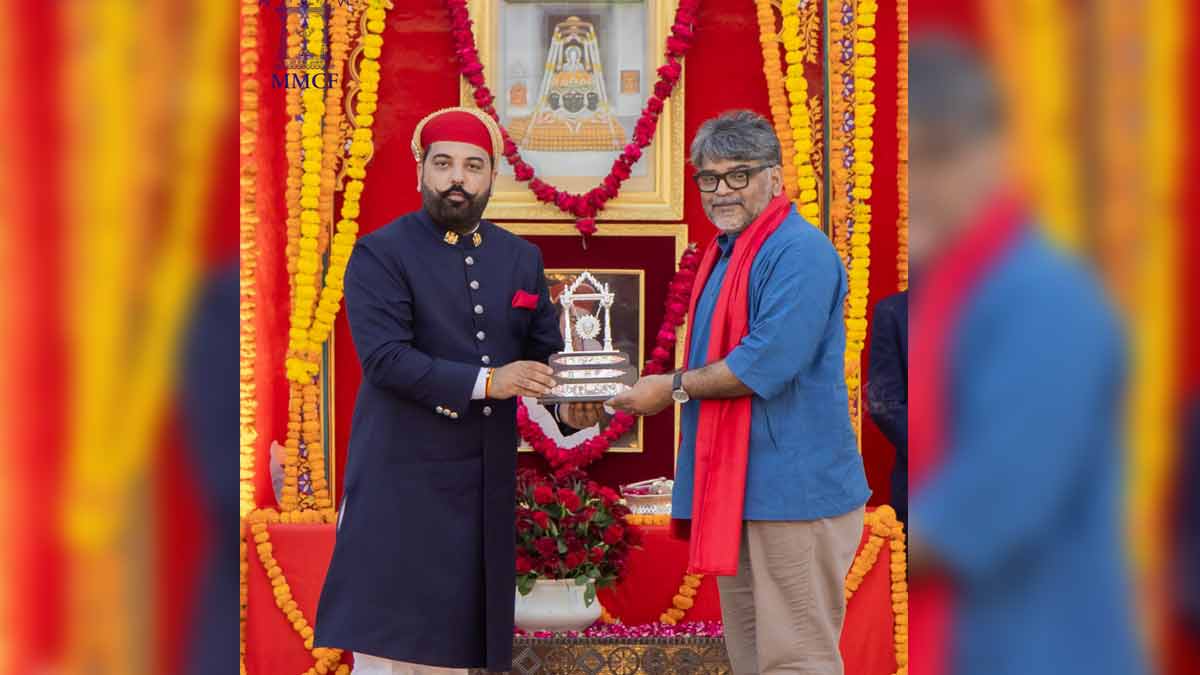
The Maharana of Mewar Charitable Foundation (MMCF) conferred its prestigious Haldi Ghati Award on Kamlesh Singh, a senior editor at the India Today Group, during a ceremony in Udaipur on 15 March 2026. The national award, instituted in 1981-82, recognises “work of permanent value that initiates an awakening in society through the medium of journalism.”
Singh, who leads several editorial initiatives including Aaj Tak Radio, the Teen Taal community and The Lallantop, was presented the honour by Lakshyaraj Singh Mewar, Managing Trustee of MMCF. The citation highlighted his three decades of contributions to Indian media, innovations in digital journalism, mentoring young reporters, and his popular podcast persona “Tau” on Teen Taal, which fosters thoughtful public discourse.
The Haldi Ghati Award, named after the historic Battle of Haldighati symbolising valour and resilience, is one of four national awards given annually by MMCF. Past recipients include Tavleen Singh, Piyush Pandey and Raj Chengappa.
Other honourees this year included Padma Vibhushan Pt Hari Prasad Chaurasia, Vedamurti Devvrat Rekhe, Treeman of India Marimuthu Yoganathan, Vir Chakra Capt Rizwan Malik, and US-based researcher Molly Emma Aitken, who received the Colonel James Tod Award for contributions to understanding Mewar’s spirit and values.
In an era where headlines often shout louder than substance, the MMCF quietly reminded everyone that real journalism isn’t about noise, it’s about the quiet, persistent work that stirs society awake, one thoughtful story at a time.







