iWorld
Music NFTs are an alternative way for artists to increase their earning potential: Report


Mumbai: Music NFTs are an alternative way for artists, most of whom depend on extractive record labels and centralised platforms to earn a living, to increase their earning potential, according to a report by video games, data, analytics and market research firm Newzoo. This allows them to sell their singles, EPs, or albums as NFTs to their most loyal fans, it added.
The report indicated the trends in the metaverse, blockchain gaming, and NFTs. It identifies and analyses metaverse trends, case studies, the future of the metaverse, P2E, blockchain gaming, and NFT space.
According to Newzoo’s report, 2021 has undeniably been the year of NFTs, with several high-profile collections being sought after for the boost in social status and financial incentives they offered. Despite the current market pullback profile picture (PFP) NFTs are likely to be key elements when it comes to digital identity in the metaverse.

The report suggests that consumers spend increasingly more time in virtual worlds, and successful brands follow them. As a result, consumer-facing companies will be forced to develop a metaverse strategy to stay connected with their (future) customers and remain relevant.
As time spent in virtual worlds increases, our digital identity and representation will grow in importance. This opens a wide array of opportunities for traditional and digital fashion brands alike to dress our digital selves with in-game skins and virtual garments, thus giving rise to the direct-to-avatar business model. This also has important implications for the future of e-commerce.
Play to earn and blockchain gaming – As time passes, we are likely to see more blockchain games challenge traditional AAA titles in terms of technical complexity and at some point size of the player base. Though blockchain gaming faces some notable challenges particularly sustainability and regulatory concerns these are likely to be mitigated as the space matures.
The report also highlights the key challenges of this industry. Some major challenges include politics and regulations where governments will want to control virtual worlds, and regulations may create new barriers between worlds. Also, UGC spaces require strong safety and content moderation processes in place, supported by machine learning and trust/safety agents.
Privacy and ethics also need to be addressed because metaverse activity tracking has the potential to become far more powerful than web tracking. At the same time, accessibility and scale are also seen as challenging as the metaverse is not yet accessible or interoperable at scale. Lastly, new standards and protocols are needed for the industry.





e-commerce
Instamart gold dig event at Hussain Sagar goes viral
Hyderabad activation ties to gold price lock offer ahead of Akshaya Tritiya
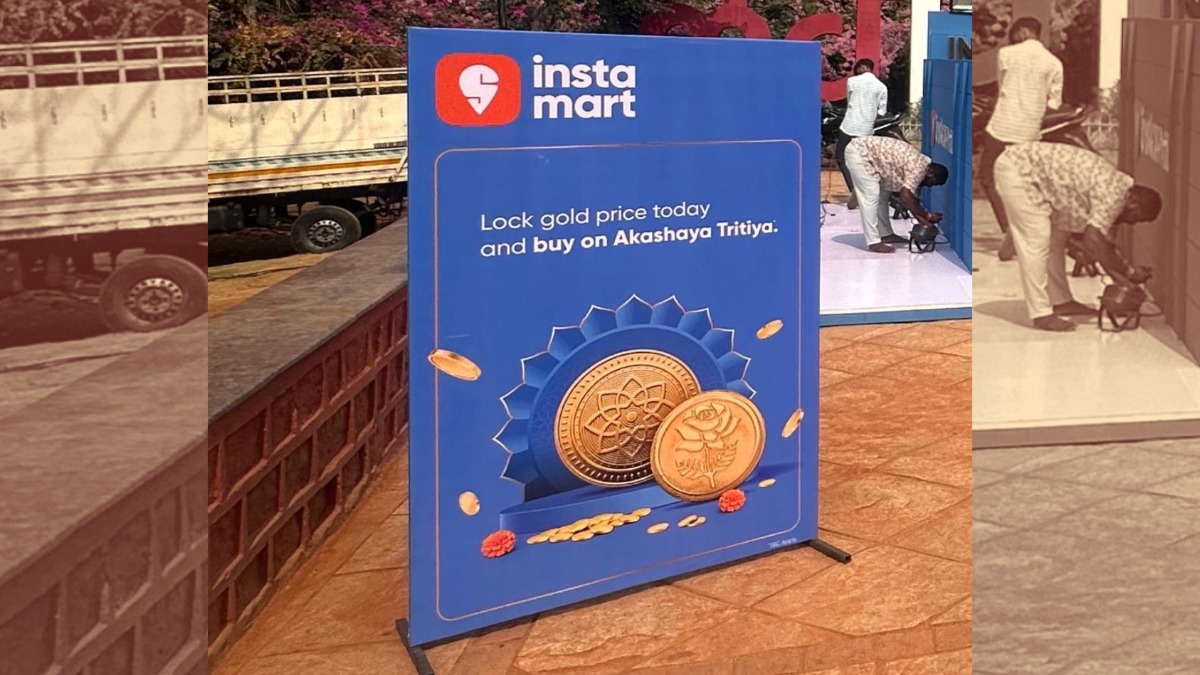
MUMBAI: All that glitters isn’t just gold, it’s also great marketing. A quirky on-ground activation by Instamart at Hussain Sagar Lake has turned into a viral spectacle, with videos of people digging for gold coins flooding social media feeds this week. The campaign, executed in collaboration with Moms, transformed a patch of the city’s iconic lakefront into what online users quickly dubbed a “mini gold rush”. Armed with spades, participants dug through a mud-filled pit in search of hidden gold coins, an activity that drew crowds, cameras and plenty of commentary online, ranging from amused disbelief to outright fascination.
At the heart of the frenzy was a promotional push for Instamart’s ‘Gold Price Lock’ feature, which allows users to secure prevailing gold rates between April 10 and April 16 and complete their purchase later during Akshaya Tritiya, a period traditionally associated with high gold buying. The mechanic cleverly blended physical participation with digital conversion, turning curiosity into a potential transaction.
Branded as ‘Gold Diggers’, the activation leaned into gamified engagement. Those who struck lucky walked away with coins, those who didn’t were nudged with a simple message: lock the price now, buy later. The result was a steady stream of footfall and a surge in user-generated content, as onlookers and participants alike documented the spectacle.
The timing is significant. India remains one of the world’s largest consumers of gold, with demand peaking around Akshaya Tritiya. Data from the World Gold Council suggests the festival alone accounts for roughly 25–30 tonnes of gold purchases annually, making it a high-stakes window for brands looking to tap into consumer sentiment.
As the ‘Gold Price Lock’ feature remains live until April 16, the campaign has already done its job turning a simple product feature into a citywide moment. Because sometimes, the quickest way to get people talking about gold isn’t to sell it, it’s to make them dig for it.