Cable TV
MSO registrations remain slow even as DAS deadlines approach

NEW DELHI: The registration of multi-system operators (MSOs) remained slow with 71 provisional clearances in December 2016 and up to 4 January 2017 taking the total to 1130 despite the fact that less than a month is left for Phase III analogue switch-off and two months before the final phase of digital addressable system DAS deadline gets over.
The number of permanent MSOs (with 10-year licences) remained static at 229, while the number of cancellations remained at 44 as intimated on 30 November 2016. Of the 71 entrants, 21 were registered in the first four days of January 2017.
The total number of MSOs is miniscule when compared to the information and broadcasting ministry’s own estimate that there are an estimated 6000 MSOs in the country. A ministry official however said that many of these unregistered MSOs were in effect local cable operators who retransmitted signals to other LCOs.

With the home ministry directive about doing away with security clearances for MSOs not communicated in writing to the MIB, confusion prevailed over slowing down of the registration processes of MSOs for delivering services in DAS areas. The Government already deferred to 31 January 2017 the sunset date for Phase III (from 31 December 2015) and 31 March 2917 for Phase IV (from 31 December 2016).
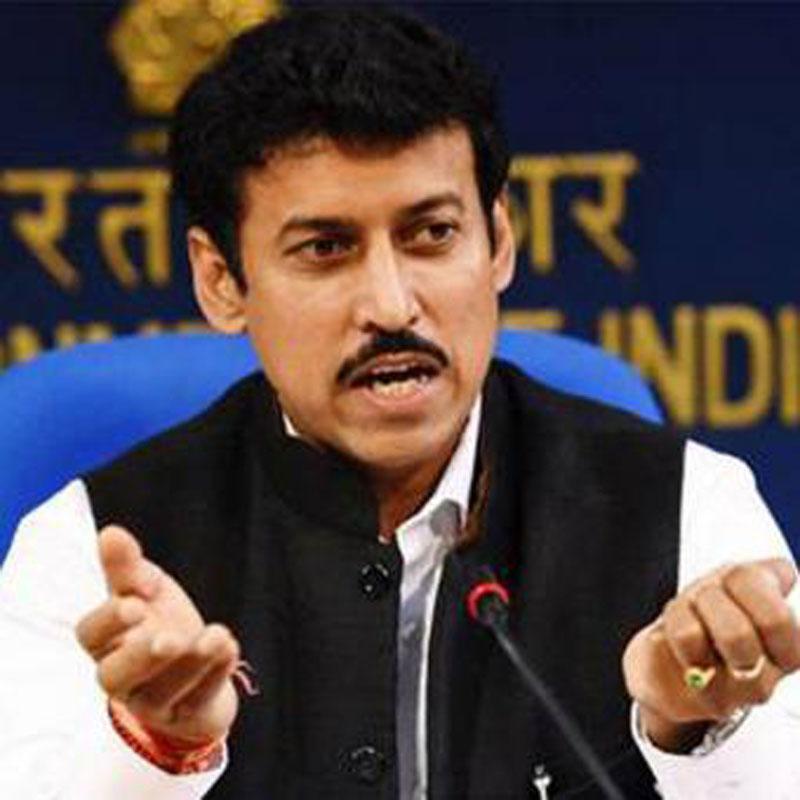
Minister of state Rajyavardhan Rathore had attributed the delay in response to a question in the last session of the Parliament to legal cases, filed mostly by cable operators relating to some phases of digital rollout.
An MIB official pointed out after the DAS Task Force Meeting in November 2016 that cash crunch due to demonetisation of high-value currency notes has only added to the problem on the ground slowing down the rollout.
The cancellations exclude four cases – Kal Cables of Chennai, Godfather Communication Pvt. Ltd of Amritsar, Digi Cable Network (India) Pvt Ltd of Mumbai, and Intermedia Cable Communication Pvt. Ltd of Delhi — in which provisional or permanent registrations were issued after High Courts stayed the cancellation orders in petitions filed by these MSOs. Most of the other cases in the list of cancelled registrations had failed to get security clearance from the MHA. However, there are cases of many MSOs holding provisional licences not completing certain formalities relating to shareholders and other details.
According to the latest list, the areas of operation of one MSO in the provisional list has been revised after 30 November 2016.
Of the new licensees, eight have got pan-India licences. These are Rajesh Fun Square, and Aeon Communication Pvt. Ltd.of Mumbai; Superhits Digital Technologies Limited of NOIDA; Ozone Media.Comm Private Limited of Delhi; Hathway Datacom Central Private Limited of Bhopal in Madhya Pradesh, and three MSOs in Uttar Pradesh: Juber Cable Network in Gonnaur, Nucast Media Private Limited in Mathura; and Garvit Digital Services Private Limited in Agra.
The other new registrations after November 2016 include state-wide licences or for specific districts in Bihar, Karnataka, Himachal Pradesh, Uttar Pradesh, Haryana, Maharashtra, Tamil Nadu, Gujarat, Madhya Pradesh, Chattisgarh, Jharkhand, Rajasthan, Telengana, Andhra Pradesh, Manipur, Odisha, Punjab, Delhi and West Bengal.
ALSO READ:
Slow pace of court cases, MSO registration may delay DAS deadline




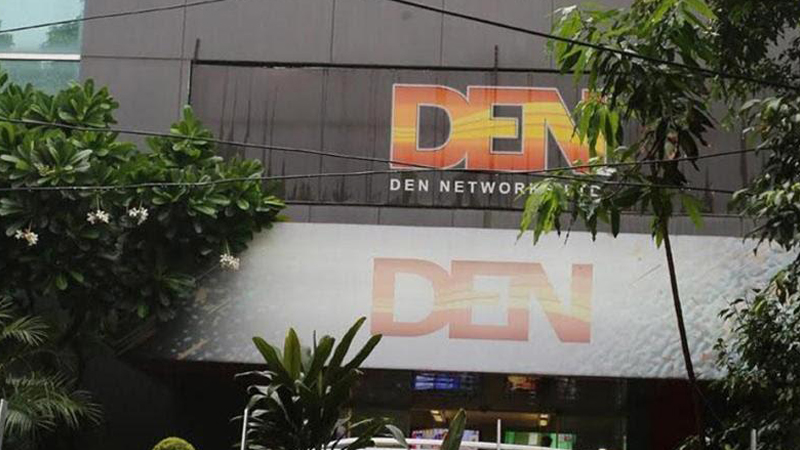
MUMBAI: When margins wobble, liquidity talks and in Q3 FY25-26, cash did most of the talking. Den Networks Limited closed the December quarter with consolidated revenue of Rs.251 crore, marginally higher than the previous quarter but down 4 per cent year-on-year, even as profitability stayed resilient on the back of strong cash reserves and disciplined cost control.
Subscription income softened to Rs.98 crore, slipping 3 per cent sequentially and 14 per cent from last year, while placement and marketing income offered some cheer, rising 15 per cent quarter-on-quarter to Rs.148 crore. Total costs climbed faster than revenue, up 7 per cent QoQ to Rs.238 crore, driven largely by higher content costs and operating expenses. As a result, EBITDA dropped sharply to Rs.13 crore from Rs.19 crore in Q2 and Rs.28 crore a year ago, pulling margins down to 5 per cent.
Yet, the bottom line refused to blink. Profit after tax stood at Rs.40 crore, up 15 per cent sequentially and only marginally lower than last year’s Rs.42 crore. A healthy Rs.57 crore in other income helped cushion operating pressure, keeping profit before tax at Rs.48 crore, broadly stable quarter-on-quarter despite the tougher cost environment.
The real headline-grabber, however, sits on the balance sheet. The company remains debt-free, with cash and cash equivalents swelling to Rs.3,279 crore as of December 31, 2025. Net worth rose to Rs.3,748 crore, while online collections accounted for 97 per cent of total receipts, underscoring strong cash discipline across operations, including subsidiaries.
In short, while Q3 showed signs of operating strain, the financial backbone remains solid. With zero gross debt, steady profits and a formidable cash war chest, the company enters the next quarter with flexibility firmly on its side proving that in uncertain markets, balance sheet strength can be the best growth strategy.