Gaming
MPL launches India’s first indigenous shooter game Rogue Heist

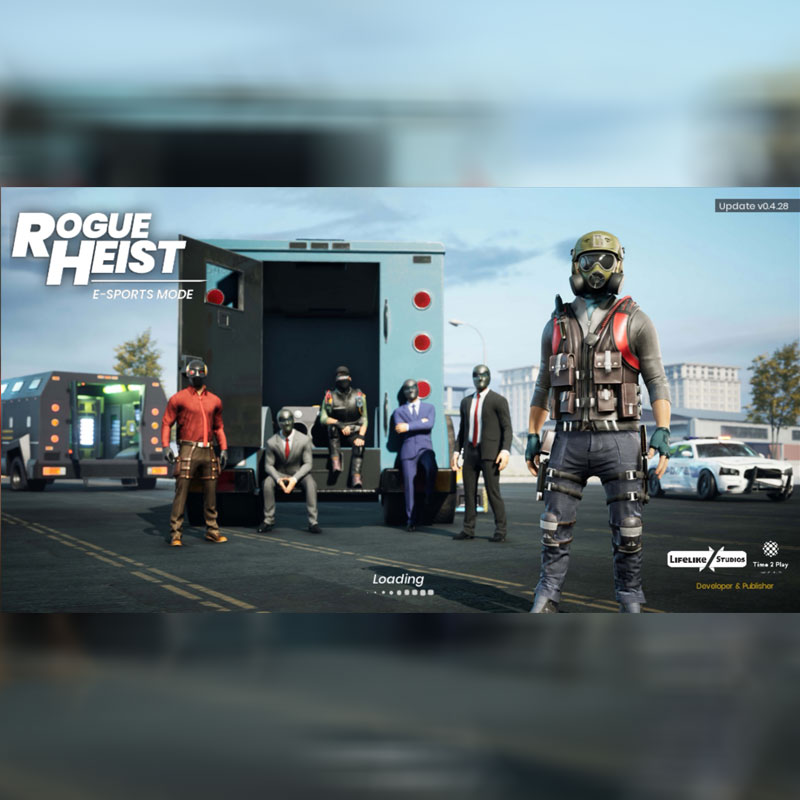
MUMBAI: Mobile gaming platform Mobile Premier League (MPL) has partnered with Mumbai-based game developer Lifelike Studios to launch Rogue Heist, India’s first indigenous multi-player online shooter game exclusively on the MPL app, ahead of other platforms. Rogue Heist is developed by Lifelike Studios and backed by Bollywood actor-producer Arbaaz Khan and Time2play Gaming Studios.
Rogue Heist is one of the first multi-player Esports on the MPL platform and will see users face off against each other, with cash prizes for grabs for each battle and tournament. MPL currently has over 40 games on its platform. The idea behind Rogue Heist is to create a unique experience of a heist, which is intense, engaging, and fun in a truly competitive real-time multi-player environment.
The game mode on MPL is Rogue Heist- BRAWL – a super-fast, action-packed Esport mode. Each game lasts only seven minutes in which 10 players are pitted against each other to steal the maximum amount of money. Here, the players get the real feel of a heist, yet come out top gainers based on their individual performance. Based on the leaderboard, top players will win cash prizes on MPL, making it a virtual cash heist with real money for takes.

Mobile Premier League co-founder Shubh Malhotra said: “Rogue Heist is a very exciting and engaging game and we are glad that it is launching exclusively on MPL, even before the Google Play Store. The graphics, gameplay, and the overall experience is top notch and our users are going to have the time of their lives, participating in a virtual cash heist. Lifelike Studios has done a great job optimising the game for our platform and we look forward to working with them to take Esports to all corners of the country.”
“MPL has been our first choice for collaboration from the beginning. With the opportunity of exclusively launching on MPL (for real money awards), I am happy that we overcame many challenges by deep collaboration between both our teams. The biggest challenge was to reduce the size of the game from 1.5 GB to 450 MB for MPL users while still being able to provide the true Rogue Heist experience. As this is a live game, we plan on providing constant updates to keep MPL users engaged,” said Lifelike Studios CEO Ashish Beuria.
“Rogue Heist will be a game changer, which is made in India. Our team is really excited and happy to launch the Esports version of Rogue Heist on MPL, as it gives us the opportunity to engage with their massive playerbase and geographical reach all over India and Indonesia, while at the same time providing an exciting, edge-of-the-seat shooting game experience to MPL players,” said Bollywood Actor and Producer Arbaaz Khan.
About MPL
Founded in 2018, MPL is India’s largest Mobile Gaming and Esports platform. It has grown to over 40 million registered users and currently has over 40 games, including titles like FreeFire and World Cricket Championship. MPL also has multiple gaming studios and developers as partners to publish their games on its platform. MPL’s app is available on both Android and iOS.




Gaming
Konami concludes successful eFootball India campaign
Campaign featuring Rinku Singh, Varun Chakravarthy and other stars boosts engagement ahead of FIFA World Cup 2026.
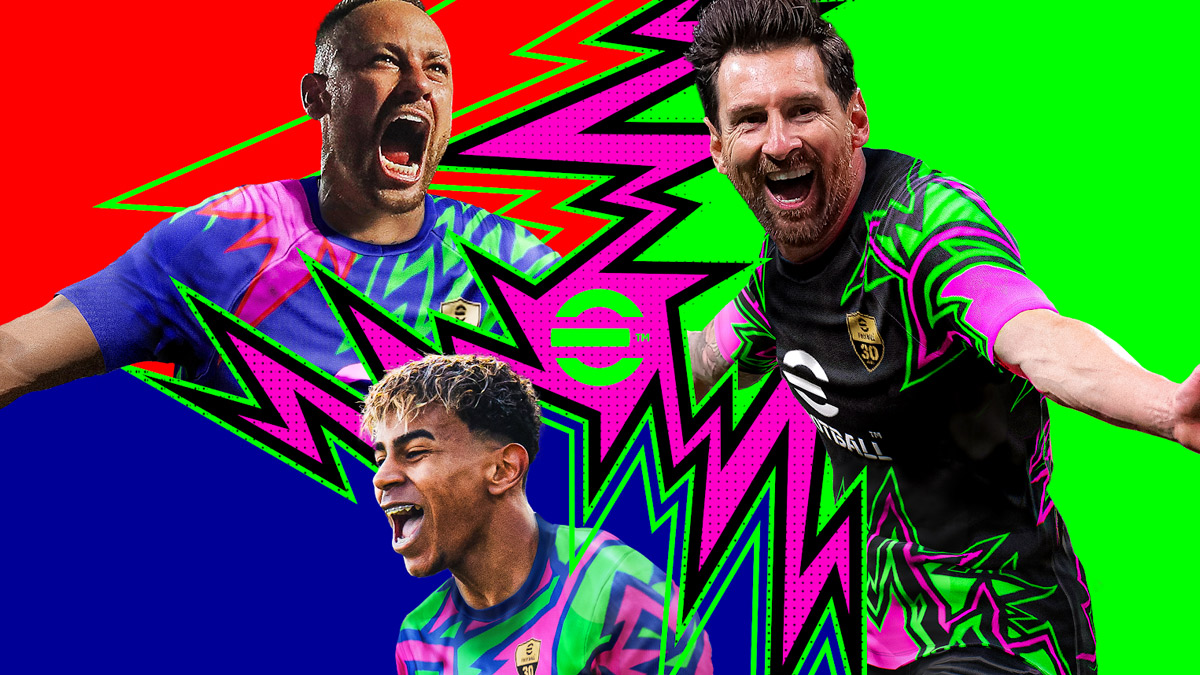
MUMBAI: When cricket meets football in the virtual world, even the biggest fans can’t help but score and Konami’s latest eFootball campaign in India has clearly hit the back of the net. Konami Digital Entertainment has successfully wrapped up its India campaign for eFootball, which brought together cricketers Rinku Singh and Varun Chakravarthy, actors Naslen Gafoor and Chandu Salim Kumar, and footballers Sahal Abdul Samad and Shubhasish Bose. The multi-star campaign generated strong excitement across gaming, football, and creator communities through social content, fan participation, and in-game engagement.
Building on the initial launch that featured a limited-time Lionel Messi card, the campaign united fan communities, lifestyle creators, football creators, and competitive eFootball influencers. It significantly expanded the game’s visibility and deepened engagement with fans across the country.
The campaign also saw thousands of entries submitted as part of its social media engagement challenge, reflecting high levels of community enthusiasm and active creator involvement.
Looking ahead, Konami plans to build on this momentum with more eFootball experiences for Indian fans as the FIFA World Cup 2026 approaches. With global attention on the tournament set to rise, India will remain a key market for deepening community engagement and bringing fans closer to the action.
In a country that lives and breathes sport, Konami has shown that mixing real-world stars with virtual thrills is a winning formula leaving fans eagerly waiting for the next goal.






