iWorld
More media deals on anvil says Discovery CEO David Zaslav, as streaming war intensifies

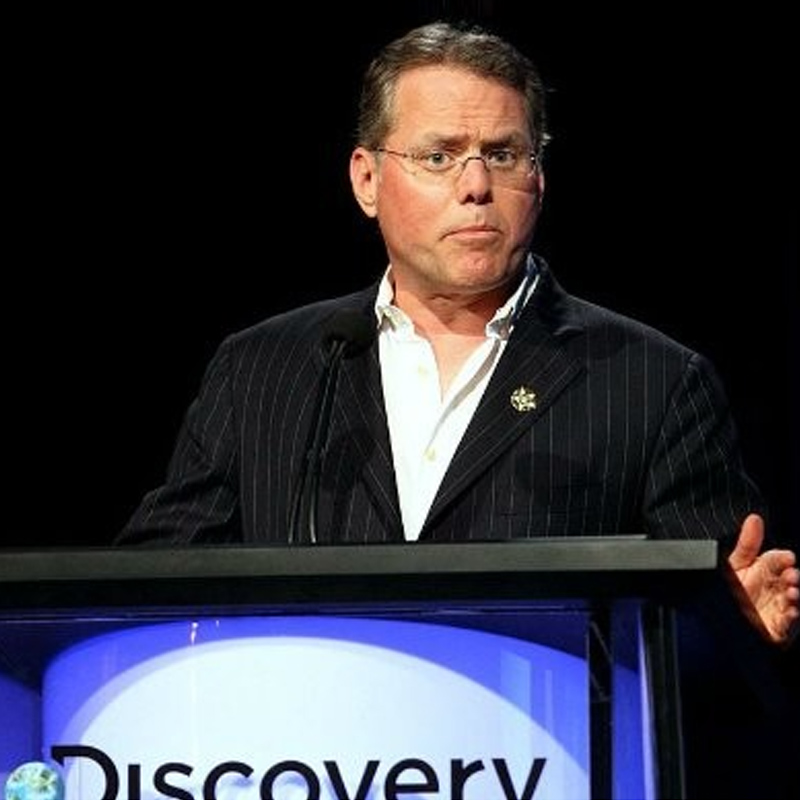
New Delhi: Emerging fresh from the blockbuster deal that led to Discovery’s merger with AT&T’s WarnerMedia, company’s CEO David Zaslav said that media consolidation will only accelerate from here, and he intends to be a catalyst.
“We’re not done yet,” Zaslava told reporters on Tuesday, as he reached Sun Valley, Idaho to attend the annual Allen & Co. conference. “The talk of the week is going to be that the industry is going to start consolidating a little bit more.”
The streaming war is heating up this summer, with a slew of media mergers shaking up the global entertainment industry. In May, AT&T agreed to spin off its media operations with Discovery Inc in May, to create a new global entertainment and media business, named Warner Bros. Discovery to be led by Zaslav. The deal could close in eight months, though it may also take longer, he had earlier said.

Soon thereafter E-commerce giant Amazon announced its$8.45 billion deal to acquire the film and television company Metro-Goldwyn-Mayer to earn more big-spending Prime subscribers as it competes with Netflix and Disney Plus.
“We’re all vying for eyeballs and people’s time, and we’re all telling stories,” Bloomberg quoted Zaslav saying. “I think the Amazon deal with MGM is interesting. It reinforces that we need to be bigger.”
Zaslav’s key role in getting AT&T’s WarnerMedia to align itself with the network he leads has ensured that stays in charge of the company through at least the end of 2027. His previous employment contract effective till 2023, was extended this June.
The Sun Valley Conference, from 6 to 10 July, is attended every year by who’s who of the finance, tech and media worlds, holding deliberations on the key media trends. The annual media finance conference hosted and funded by private investment firm Allen and Company could not be held in 2020 due to the pandemic.
Apple CEO Tim Cook, Facebook founder and CEO Mark Zuckerberg and COO Sheryl Sandberg; Disney chief executive Bob Chapek, Netflix co-CEOs Reed Hastings and Ted Sarandos are other key names who are likely to attend the conference.






iWorld
JioHotstar enters micro-drama space with 100 shows under Tadka banner
Short-form push targets 300M users as content meets commerce in new format
MUMBAI: JioStar has made a bold play in India’s fast-growing micro-drama space, rolling out over 100 short-form shows under its new Tadka banner on JioHotstar, timed with the massive viewership surge of the Indian Premier League 2026.
The scale of the launch signals clear intent. Rather than testing the waters, the company has dived in headfirst, releasing a wide slate of content on day one. Each show is designed for quick consumption, with episodes running 60 to 90 seconds in a vertical format tailored for mobile-first audiences.
The move comes as India’s micro-drama market, currently valued at around $300 million, is projected to grow tenfold to over $3 billion by 2030. Globally, the format has already proven its mettle, with China’s micro-drama sector recording explosive growth in recent years.
What sets this rollout apart is its built-in monetisation strategy. The shows are free to watch and ad-supported, with brand integrations woven directly into storylines from the outset. It reflects a broader shift where content and commerce are increasingly intertwined, rather than operating in silos.
The timing is equally strategic. With more than 300 million users already tuning in for IPL action, JioHotstar is effectively turning cricket’s biggest stage into a discovery engine for its new format.
The company is not entering an empty arena. Early movers like Kuku TV, MX Player and platforms backed by Zee Entertainment Enterprises have already laid the groundwork, building audiences and validating demand for snackable storytelling.
Now, with scale, distribution and advertiser interest aligning, the big players are stepping in. For JioStar, Tadka may well serve as a proving ground for the next evolution of digital entertainment, where every minute counts and every second sells.
If the bet pays off, India’s next big content wave might just arrive in under 90 seconds.






