Content Hub
More localised stories is the way forward to connect with larger regional audiences

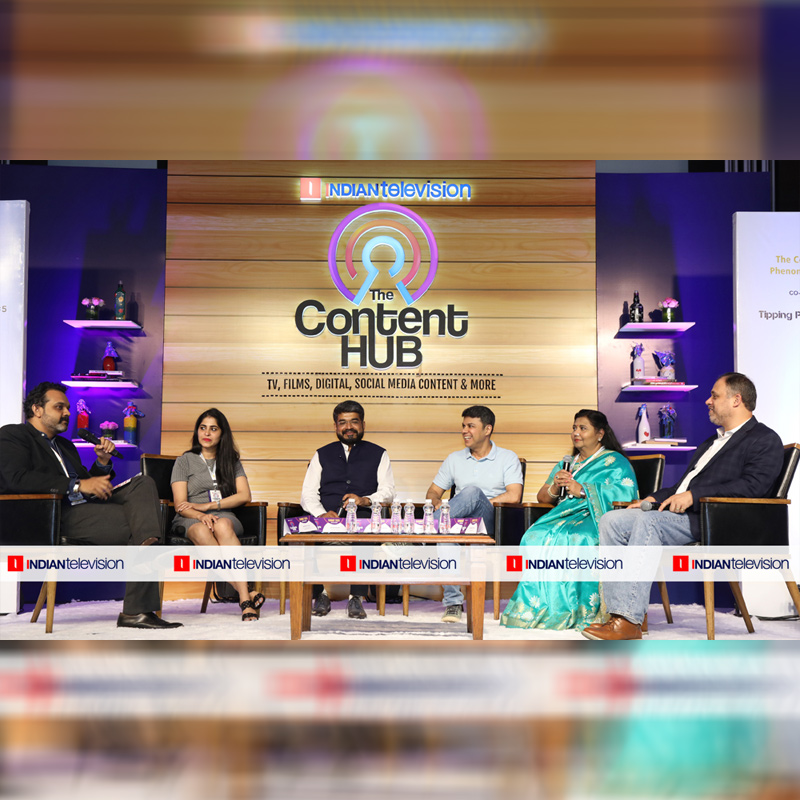
MUMBAI: Regional GEC is the new focus area after Hindi GEC for broadcasters, OTT platforms and production houses as well. South market is the biggest market in the regional space; it has grown by 45 per cent with OTT platforms investing in regional content. So, what is the way forward to connect with larger audiences in the regional market for broadcasters and OTT players?
A panel discussion on the power of regional storytelling at The Content Hub 2020 organised by Indiantelevision.com highlighted that more localised and relatable stories that connect the audiences in regional market is the way forward. The panel was moderated by Bodhitree Multimedia co-founder and director Mautik Tolia with panellists Endemol Shine India CEO Abhishek Rege, Vaishnave Mediaa Works managing director Kutty Padmini, Star Maa & Star Vijay creative consultant and Zee Network Programming Trainer Vivek Bahl, Fakt Marathi co-promoter Shirish Pattanshetty and Prime Focus Technologies SVP-global localisation Jyothi Nayak.
The panellists also elaborated on the need to explore regional stories, challenges faced by broadcasters and creators, dubbed content, remaking of regional content and the way forward.

Padmini said, “Today, 45 per cent of south Indian content has grown and this year Netflix, Amazon, Hotstar, and Zee5 have invested huge money and created so much of work for people like us who are creative. The south content is very strong because it has talented technicians and writers. Hindi GEC is the largest space and the budget allotted to them is also high but South GEC has limited budget and in that limited budget we also create very good content.”
Bahl lamented that although it is fantastic to see so many networks going into regional market he is a little disappointed that the content is similar and not unique. "We need to dive deep down and look more into local stories which are relevant in that particular market." He added the network owns all the IPR and replicate in whichever language they want without paying the writer or creator anything else and they are probably not even getting the credit. That also is holding back the talent.
Rege said that there is a great acceptance of formats like Bigg Boss in the past few years. "More than acceptance it was always a demand to want high-quality stuff which wasn’t coming by. It helped the advertisers and broadcasters pushing it in. There is always going to be such demands again, so you put through all formats as long as you can make it viable and it's upto producers to come up with such stuff.”
Pattanshetty said that some people from the fraternity claim that Maharashtra is bilingual so the requirement of Marathi which was classified as a P1 market a couple of years back is now going down because buyers feel that their requirement is covered by Hindi channels while that is not the case. "If we exclude Mumbai and Pune we find that Maharashtra has a lot of regional content requirement and it is growing fast. On the Marathi remake of Tarak Mehta… also we were little hesitant and we took a strong call on doing it. We saw that with that show we grew in the urban market as well.”
Nayak said, “From 2019 to 2022, the OTT space probably is going to grow around 118 per cent. As a company, we have to ensure what is that your audience is looking at in order to scale up. If we talk about dubbing, it’s not just about translating the language, it’s about understanding that particular regional space. As a company we have to be the backbone and support and ensure that we are working hand-in-hand with content creators to ensure their expectations are met. At the same time our audiences are accepting what you are delivering. So we are in the middle of content creators and audiences and we have to satisfy both our people and that’s the challenge. Overall, the digital disruption in the media and entertainment industry has definitely impacted the market landscape and that has helped the industry while going to the next level when it comes to creating the content or serving the partners.”






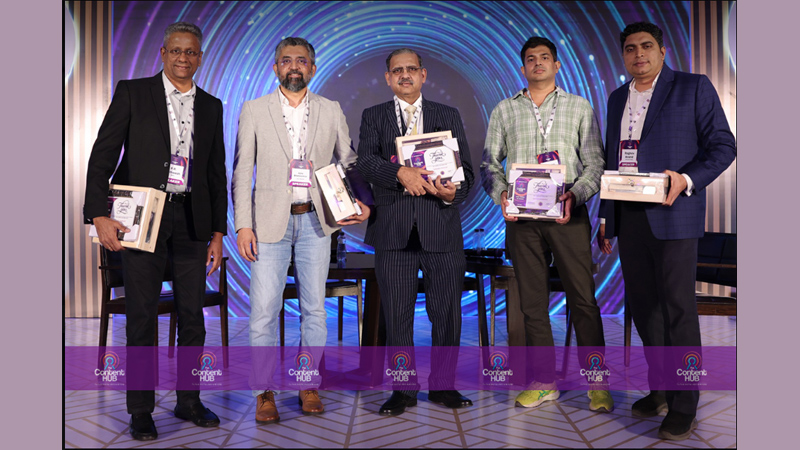
Mumbai: Exploring the shift from regional to national content, this synopsis delves into the trends and challenges. It navigates the transformation, analyzing industry dynamics, emerging trends, and the hurdles faced. From preserving regional variation to adapting to a broader audience, it examines the multifaceted journey of regional content evolving into a national narrative. In what ways do the emerging trends and challenges influence the dynamics of the entertainment industry during this transition? How can creators navigate these changes effectively? What strategic approaches can content creators adopt to strike a balance between maintaining regional identity and fostering a cohesive national narrative in their work? How can the transition from ‘regional’ to ‘national content’ impact cultural diversity within the entertainment industry, and what measures can be taken to ensure the preservation of regional variation?
In a rapidly evolving media landscape, seasoned industry professionals have offered valuable insights into the transformation of content consumption and production. The session was chaired by Ernst and Young partner Raghav Anand, MMTV chief executive officer P.R. Satheesh, Sony Marathi business head Ajay Bhalwankar, PTC Network chairman & MD Rabindra Narayan, Shemaroo Entertainment COO, Digital, Saurabh Srivastava esteemed voices in the field, have articulated their perspectives on the burgeoning shift towards globalised content.
Rabindra Narayan emphasised the dissolution of regional boundaries in content consumption, attributing it to the accessibility facilitated by global platforms and connectivity options. He predicts a future where language barriers will fade, citing the potential of technology to clone and adapt voices, thus enabling seamless localization across languages.
Saurabh highlighted the democratisation of content creation in the digital era, underscoring its empowerment and revenue potential, particularly in linguistically diverse markets like India. He emphasizes the value of culturally rooted storytelling in filling gaps in content supply, with technology enabling effective monetization, especially through OTT platforms.
Ajay Bhalwan sheds light on the evolving landscape of Hindi and regional language content, noting a significant shift where a substantial portion of content on Hindi film channels originates from regional languages. He accentuates the importance of language in enhancing authenticity and audience engagement, exemplified by the strong resonance of Marathi content in Maharashtra.
PR Satheesh underscored the paramount importance of content quality in driving viewership and transcending language barriers. Drawing parallels with the global popularity of Korean dramas, he advocates for leveraging technology, including AI and real-time translations, to enhance content creation and distribution.
These insightful perspectives collectively echoed the industry’s adaptation to a globalised content landscape, where technology catalyzes innovation and accessibility. As content continues to evolve, these experts offered valuable guidance on navigating the dynamic media landscape and maximizing the impact of storytelling in diverse markets worldwide.






