iWorld
Moj puts short drama in fast forward with new creator challenge


MUMBAI: In a bid to prove that big stories do not need long runtimes, Moj has rolled out what it calls a first-of-its-kind Micro Drama Challenge, setting aside more than Rs 20 crore annually to spot, fund and shape India’s next generation of short-form storytellers.
The initiative, launched by Moj, the homegrown short video platform from Sharechat, is designed as an accelerator programme for studios building vertical micro-drama series bite-sized narratives made for smartphone viewing but backed by serious ambition. The move comes as short-form entertainment in India evolves from casual scrolling to structured storytelling with real monetisation potential.
At its core, the programme aims to discover and groom emerging studios that can tap into India’s rapidly growing appetite for episodic, vertical content. By bringing together creators, filmmakers and production houses, Moj is betting that micro-dramas stories told in one- to two-minute episodes can become a significant engine of growth in the country’s digital entertainment economy.

Applications for the Micro Drama Challenge are open until 26 January 2026. Moj plans to shortlist 10 studios by 31 January, each of which will receive a ₹10 lakh grant to develop original micro-drama series tailored for vertical viewing. While participants will have creative freedom, the format comes with clear boundaries: each series must run for at least an hour in total, broken into tightly edited episodes of one to two minutes each.
Beyond funding, Moj is offering participants access to its recommendation systems and audience insights, allowing studios to fine-tune their storytelling for engagement rather than guesswork. The platform says this data-led support is intended to help creators understand what resonates with viewers across regions, languages and genres.
Once shortlisted, studios will enter a competitive phase running until 31 March. During this period, creators will upload their micro-dramas on Moj, where the content will face a direct audience test across the platform’s 60 million-strong micro-drama viewer base. Genres are wide open from action and emotional drama to culturally rooted stories reflecting the diversity Moj hopes to unlock.
The programme culminates in a prize pool designed to help studios scale further. The winning team will take home Rs 25 lakhs, followed by Rs 15 lakhs for second place and Rs 5 lakhs for third. Beyond cash rewards, top performers will also be considered for future Moj Originals, offering a potential long-term pathway rather than a one-off win.
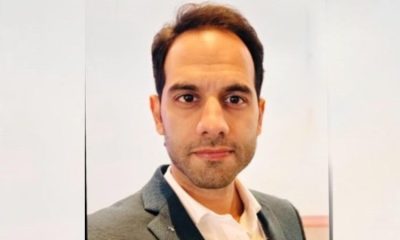
For Moj, the challenge is less about a single contest and more about building a pipeline. Manohar Singh Charan, Sharechat and Moj co-founder and CFO Manohar Singh Charan described the programme as a recurring launchpad for storytellers. He said the aim was to create an “enabler ladder” where independent studios could grow alongside established players, supported by funding, data and distribution.
According to Charan, the initiative reflects a broader shift in how audiences consume entertainment. With viewers increasingly gravitating towards personalised, snackable content, platforms need a deep and diverse supply of stories that feel relevant across regions and cultures. Moj’s recommendation systems, he noted, are built to match the right stories to the right audiences, rather than forcing a one-size-fits-all feed.
The Micro Drama Challenge also highlights how short-form platforms are maturing beyond creator monetisation through ads and brand deals. By backing studios and structured storytelling, Moj is signalling a move towards a more organised content economy, one where vertical dramas can be planned, produced and promoted with the same seriousness as longer-format shows.
For creators, the appeal lies in access: funding, platform support, audience reach and the possibility of scaling into original commissions. For viewers, the payoff is variety, an expanding library of binge-worthy dramas that fit into short attention spans without sacrificing narrative depth.
As India’s short-video space grows more competitive, Moj’s bet is that the future lies not just in viral clips, but in compelling stories told quickly and well. With Rs 20 crore riding on that belief, the micro-drama race just got a lot more serious.





iWorld
Tech firms tweak office operations amid LPG shortage concerns
Infosys, HCLTech and Cognizant adjust cafeteria services and work policies.
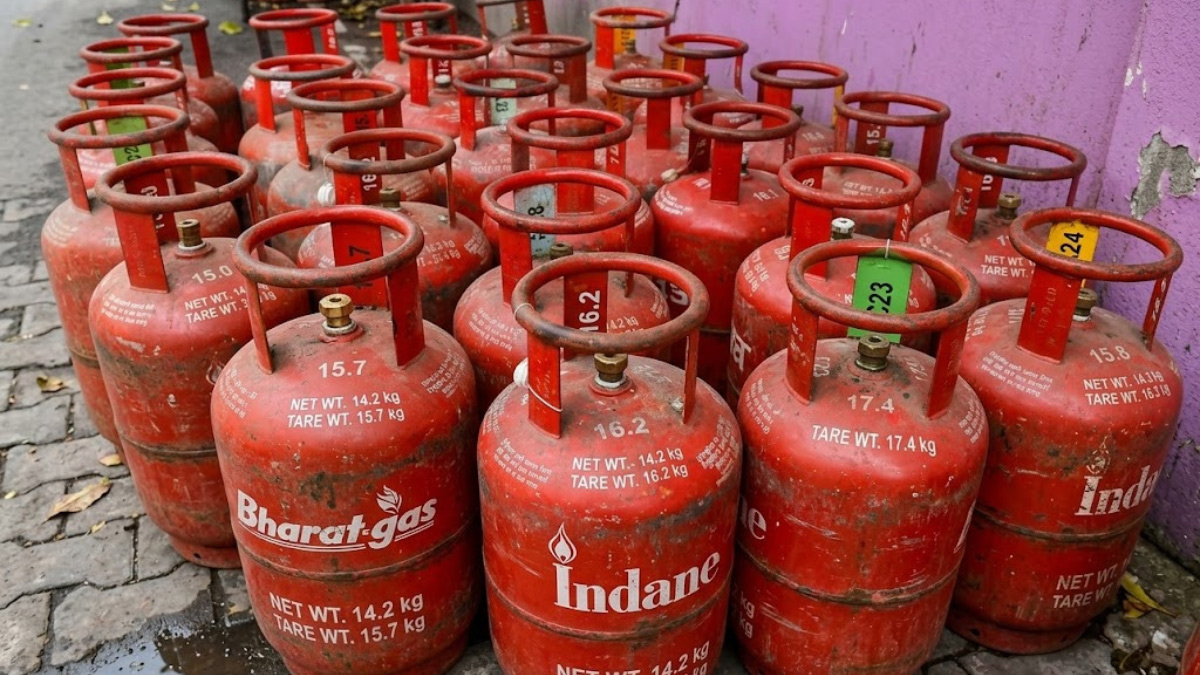
MUMBAI: When geopolitics turns up the heat, even office cafeterias start feeling the burn. Several technology companies in India are adjusting workplace operations and food services as concerns over a nationwide shortage of liquefied petroleum gas (LPG) grow following escalating tensions in West Asia. Major IT firms including Cognizant, Infosys and HCLTech have begun rolling out contingency measures to reduce dependence on office cafeterias that rely heavily on commercial LPG.
The disruption stems from rising geopolitical tensions involving Iran after military action by the United States and Israel reportedly led to the closure of the Strait of Hormuz, a critical global shipping route for oil and gas supplies. The closure has disrupted the movement of LPG and liquefied natural gas across international markets, triggering concerns about supply constraints and price volatility.
According to a report by The Times of India, Cognizant has advised employees to bring their own meals to office where possible to reduce reliance on office cafeterias dependent on LPG based cooking.
The company has reportedly told staff that it is preparing for potential disruptions driven by supply prioritisation, price fluctuations and pressure on vendor networks.
As part of contingency planning, Cognizant is identifying alternative food vendors that do not rely on LPG. These include kitchens using induction based or solar powered cooking systems.
The company is also exploring partnerships with cloud kitchens that operate on electric or solar power to ensure uninterrupted food supply in case conventional cooking gas availability worsens.
Additionally, Cognizant is evaluating the possibility of expanding work from home or hybrid arrangements for non critical roles, partly to reduce commuting exposure if fuel prices rise sharply due to global energy disruptions.
Meanwhile, HCLTech allowed employees at its Chennai office to work from home on March 12 and March 13 after cafeteria vendors were unable to operate because of the LPG shortage.
Several food service vendors at the campus reportedly suspended operations as they struggled to secure cooking gas supplies, prompting the company to permit staff to work remotely for the two days.
Infosys has also issued internal advisories across multiple locations, including its campuses in Bengaluru and Chennai.
The company informed employees in Bengaluru that cafeteria services would continue but with reduced menu options due to concerns around commercial LPG availability.
As part of the temporary adjustments, live food counters have been suspended, and employees have been encouraged to bring home cooked food while the situation evolves.
While LPG shortages in India remain a developing situation, the measures taken by these technology firms highlight how global geopolitical disruptions can ripple through unexpected corners of the economy, even the humble office lunch.
For companies with large campuses and thousands of employees relying on daily cafeteria services, cooking fuel shortages can quickly turn into an operational challenge. Until global supply chains stabilise, many workplaces may find themselves rethinking everything from food sourcing to flexible work policies.