eNews
Message for the members of the fourth estate from the desk of Dr Subhash Chandra


Mumbai: Media is considered the fourth pillar of democracy but faces increasing pressure from the Governing Class, whether the legislature, executive, corporations and more. There are structured attempts by them to align the media to achieve their agenda. Governments exert pressure on media through advertising influence or the use of state machinery to threaten so that the press can be prevented from publishing factual information.
Zee Media’s flagship channel – Zee News, recently faced an alarming incident of Governmental suppression of the media’s independence. On 23 May 2024 an interview of chief minister of Delhi, Arvind Kejriwal was conducted by a senior journalist of Zee News. Post the interview, the independent editorial team at Zee Media decided not to telecast it, keeping in mind some objectionable content in the interaction. Some portions of the interview
were telecasted as well but the spokesperson of Aam Aadmi Party (AAP) kept insisting that “Zee News must publish the entire interview else it will face consequences like withdrawal of advertising (which was substantial on a monthly basis) by Punjab Government at the least”. I wondered, what else will they do to penalise/prosecute our freedom.

I discovered soon that the Government of Punjab forced a blackout across the state, leveraging a monopoly of a particular Multiple System Operator (MSO). The blackout was forced, not only for Zee News but also for Zee PHH & Zee Delhi NCR. The state government also extended the blackout of Zee Entertainment channels. To add further AAP withdrew all the spokespersons from participating in debates held by Zee Media’s news channels. Unfortunately, none of our fellow News networks raised any voice. Zee group neither could provide true news nor it could entertain its loyal viewers of Punjab for a good 8 days. Zee fought this battle independently and got the channels restored by seeking justice through a legal approach.
This is a real-time and live example of political parties suppressing us as a fourth state. Today it is Zee, while tomorrow it can be any other news channel, news publication or platform.
On 3 May 2024, which is celebrated annually as World Press Freedom Day, I released a video message, expressing my thoughts and views on freedom of the press. This video went viral within a short frame of time. The media fraternity appreciated this step. Most of them were even shocked yet noticed this bold statement of mine. As a result, my office received 54 press interview requests. Hence, I took yet another proactive step and conducted a Media-Meet Press Conference, leading to a constructive round of conversation with the senior members of the media fraternity.
The after-effects of the viral video led to various speculations and the governing class demanded explanation. Zee Media could not only explain the reason (As mentioned above) but added that it was not directed to any particular party or person(s). This step worked in favour of the fourth estate since Zee Media got an assurance from the system that post elections, they will work with/in the new Government and make efforts to improve the ranking of India from the current 159th position amongst 180 nations. I was told that the mentioned rating has been low for two decades and the respective governments did not attend to this issue.
Unfortunately, many of the news channels, newspapers, social media and digital platforms have started accepting the pressure as part of life, instead of resisting or voicing out their disagreement. This is one reason why India ranks 159th out of 180 in terms of press freedom. The natural blame gets inclined towards the Government, but the media itself is equally responsible.
These incidences are not isolated. Various organisations/people in the governing class (political, bureaucracy, corporations and others with money mussels) have historically employed numerous tactics to suppress media organisations, from leveraging advertising revenue to exerting pressure through corporate avenues and the use of investigating agencies. Despite these challenges, Zee Media’s news channels and platforms have steadfastly upheld its credibility and commitment to public interest journalism.
I not only recognise but also take pride in the importance of a free press in a democratic society and condemn any attempts to stifle journalistic freedom. The governing class has forgotten the defeat of Mrs. Indira Gandhi post-emergency era. One of the major reasons for her own team’s atrocities did not come to light or her notice; was because the same team had suppressed the media. If she knew about those horrific things, she would have never let it happen to people, hence I believe that media’s freedom is essential for the senior/top leadership of the Government of the day. Zee Media’s news channels and platforms will continue to focus on public interest stories, bringing crucial information to the forefront regardless of external pressures.
I would like to reinforce Zee Media’s Commitment towards strengthening the Fourth Estate: Despite these challenges, Zee Media remains committed to delivering unbiased and credible news focused on public interest.
I urge all stakeholders, including our viewers and regulatory bodies, to recognize and stand against these threats to press freedom. Free and independent media is crucial for the health of our beloved Country in terms of its economy, social structure, protection of weaker people in society, reduction of corruption and finally democracy. I and my team are ready to pay a price or face any consequences, to keep fulfilling our ‘Dharma’ towards our readers/viewers.
Zee Media has always aimed to set an example for other media organizations through its work practices and core values. Key pointers that highlight its commitment are as follows:
•Boldly inform about the truth to the government.
•Intensify their focus on public issues, whether or not they are seen as government criticism.
•Utilize their nationwide network to expose any government trying to exert undue pressure, turning it into a campaign across the country, provided all of us are together.
•Always provide training to journalists on handling pressure and maintaining integrity under duress.
•If necessary, file lawsuits as public interest litigation for violating press freedom and seek legal remedies.





eNews
Piyush Thakur steps down as Inshorts’ chief revenue officer
Former vice president and cro says exit marks a new chapter after close to a decade of building revenue and partnerships at Inshorts Group.
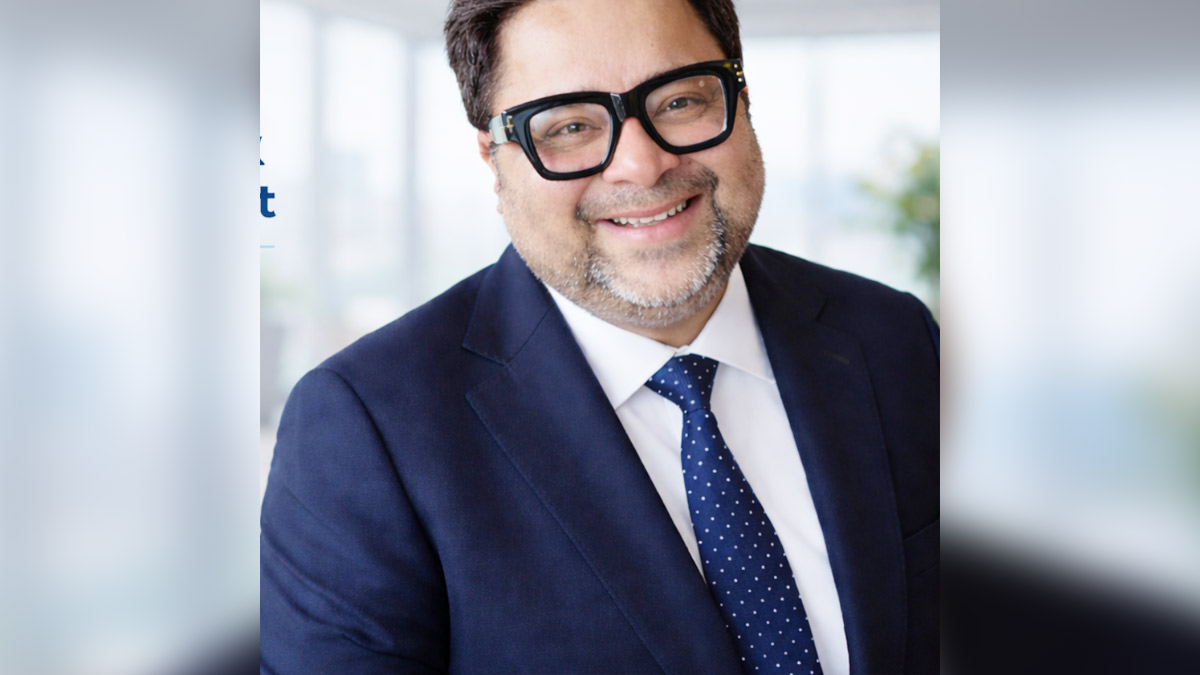
NOIDA: Piyush Thakur has stepped away from Inshorts Group after nearly 10 years with the company, marking the end of a long tenure that culminated in his role as chief revenue officer.
In a farewell note, Thakur said he was “turning a new page” after almost a decade at Inshorts, calling it one of the hardest professional decisions he has made. He added that his exit was not driven by uncertainty about the future, but by reflection on a long association with the company.
Thakur joined Inshorts in October 2016 as vice president and spent around seven years in the role before being elevated to chief revenue officer in April 2024, a position he held until April 2026.
He said his tenure was defined by “thousands of mornings, late nights, product debates and breakthrough moments”, as the company evolved into a large-scale digital news platform used by millions.
In his note, Thakur emphasised that Inshorts’ growth was a collective effort across teams, adding that engineers, designers, sales teams and customer support staff all contributed to building the platform. He said the company’s success was not the result of individuals but of “everyone who stayed, passed through, and left their mark”.
Before Inshorts, Thakur worked across several digital media and business development roles. At ESPN, he served as senior regional manager from October 2015 to October 2016, focusing on growth initiatives, strategic opportunities and video distribution.
At Times Internet, he worked for nearly three years, including as head of business development from April 2015 to September 2015 and chief manager from January 2013 to March 2015. His responsibilities included monetisation of mobile platforms, managing media and developer partnerships, and driving revenue across digital properties such as The Times of India and The Economic Times.
Earlier, he worked at Brandmovers as head of business development from June 2012 to June 2013, handling digital, mobile and social media marketing solutions, client development and strategic consulting. During this period, he also worked on advertising revenue, brand strategy and CRM-based solutions.
At Inshorts, Thakur’s role focused on revenue strategy, mobile and media partnerships, and growth initiatives across platforms. His profile highlights experience in mobile product management, digital business models, partner ecosystems and revenue expansion in high-growth environments.







