News Broadcasting
Meenakshi Kandwal joins NDTV India to bring grit, grace and people-first journalism to primetime

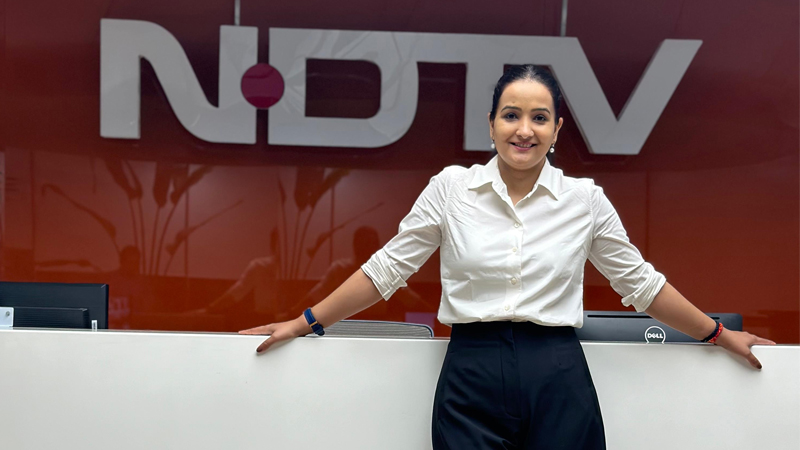
MUMBAI: At a time when newsrooms race for views, NDTV has chosen to double down on values. The channel has welcomed seasoned journalist and anchor Meenakshi Kandwal to its editorial team, signalling a bold investment in purpose-led storytelling. The move underlines NDTV’s renewed focus on editorial clarity and integrity, where impact matters more than noise.
Kandwal, known for her razor-sharp reportage and youth appeal, brings over 15 years of experience in television and digital journalism. From hosting marquee shows like Opinion India Ka on Times Now Navbharat to Aaj Subah and Ek Aur Ek Gyarah on Aaj Tak, she has built a career that balances wide reach with rare editorial conviction. Her audience spans platforms like X, Instagram and YouTube—where her authenticity cuts through algorithm fatigue.
Her reporting often pushes beyond what’s trending. She once trekked through snow-laden terrain from Leh to Kargil to spotlight a lack of airport access in the region—not as a transportation gripe, but as a lifeline issue. “I want to see an airport before I die,” an elderly man told her. That quote, and the ensuing national conversation, reveal the ethos that drives her storytelling.

“She brings a rare mix of depth, empathy, and editorial sharpness. Her field stories have already had a national impact”, said NDTV group CEO & editor-in-chief Rahul Kanwal.
Kandwal began telling stories early—reading the morning news at school in seventh grade. She later became the first-ever anchor chosen through Star News’ nationwide anchor hunt.
Whether covering labourers trapped in tunnels in Chamoli or championing unheard voices in Bharat, Kandwal has stayed grounded in the belief that journalism should serve people, not pageviews.
“NDTV India has always stood for trust, empathy, and journalism that values the viewer’s intelligence. That’s exactly what drives me as a journalist. I look forward to going beyond the headlines and telling stories that matter”, Kandwal said on her appointment.
Her addition strengthens NDTV’s dynamic new lineup, a newsroom being reshaped by young but deeply credible journalists. It’s part of a larger transformation NDTV India has undertaken—to make journalism relevant, rooted, and relatable again.





News Broadcasting
CNN-News18 to host Fury in the Gulf conclave on West Asia crisis
Three-hour summit to unpack geopolitical fallout and impact on India
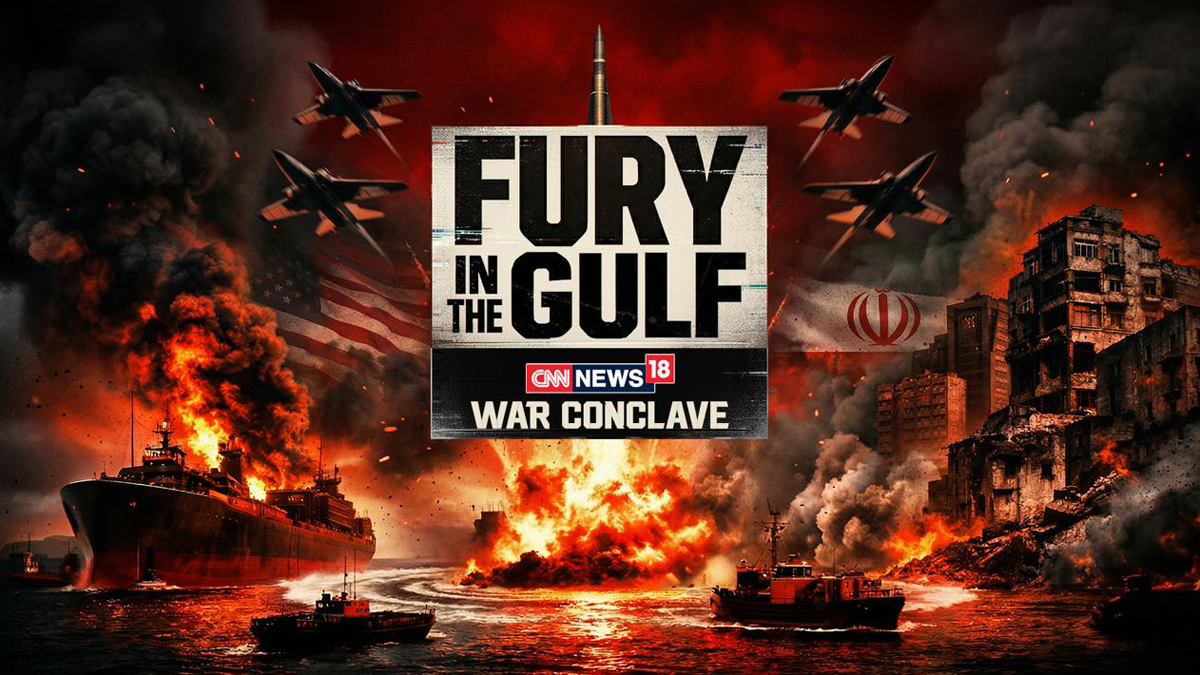
MUMBAI: CNN-News18 is set to host a special three-hour broadcast, Fury in the Gulf – War Conclave, on April 7, aiming to decode the escalating West Asia crisis and its far-reaching implications for India.
Scheduled from 4:00 PM to 7:00 PM, the conclave comes at a time when tensions between Iran and the United States are reshaping global geopolitics and triggering economic uncertainty. With India’s deep energy ties, trade links and large diaspora in the Gulf, the developments carry significant domestic relevance.
Built around the theme ‘Conflict, Consequences, and The Future,’ the programme will feature six curated sessions combining one-on-one interviews and panel discussions. The focus is to cut through the clutter and offer viewers a clearer understanding of the fast-evolving situation.
Key sessions include ‘Diplomacy in Times of War’ featuring Shashi Tharoor, and ‘World After the Iran Conflict’ with voices such as Ram Madhav, Reuven Azar, representatives from the European Union and the Iranian Deputy Envoy. Another session titled ‘Another Dunkirk?’ will bring together K. J. S. Dhillon and Jitin Prasada among others.
CNN-News18 editorial affairs director Rahul Shivshankar said, “In times of war, clarity becomes the most powerful tool. Fury in the Gulf – War Conclave brings together credible voices to address the questions and confusion that arise amid an overwhelming influx of information.”
He added that the initiative is aimed at delivering “facts, perspective, and insight” at a time when misinformation can easily cloud public understanding.
Echoing the sentiment, CNN-News18 CEO– English and business news Smriti Mehra said the conflict marks a defining global moment, with consequences that extend well beyond the region. She noted that the conclave seeks to present the crisis with “depth, nuance and responsibility” so audiences can better grasp its real-world impact.
As geopolitical tensions continue to dominate headlines, the conclave positions itself as an attempt to bring order to the noise, offering viewers a structured, insight-led look at a complex and rapidly shifting global situation.






