iWorld
Media experts are concerned about changing policies impacting their digital media buys: Report

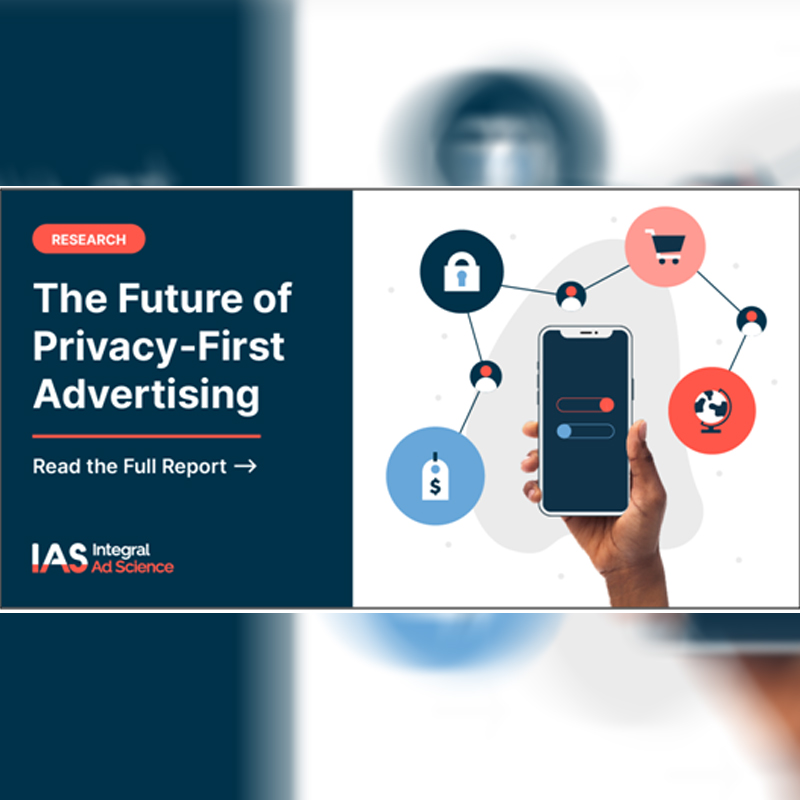
Mumbai: Integral Ad Science (IAS), in collaboration with YouGov and a market research firm, has released its report ‘2022 Future of Privacy-First Advertising.’
IAS surveyed 346 digital media experts and 1,131 consumers about their opinions on the future of ad targeting, upcoming changes to online data and privacy policies, and how media quality solutions can help marketers be more effective.
The findings revealed that consumers have serious concerns about the security of their personal information when using the internet; that they are unaware of the laws governing the collection and use of their personal data; and that they are very uncomfortable when their online activity is used for advertising.

IAS Global chief commercial officer Yannis Dosios said, “With upcoming online data and privacy policy changes coming down the pipe, privacy continues to be a priority for both consumers and media experts.”
He further added, “IAS is well-suited to help ease the concerns of privacy policy transitions through our contextual targeting solutions that will help advertisers reach their ideal audience at scale, all while respecting their privacy.”
The report explores a gap between what organisations are actually doing to deal with these changes and how crucial it is for media professionals to understand data privacy policies, as well as how concerned they are about how these policies will affect their work.
The report also examines how brands are currently dealing with cookie depreciation through contextual, privacy-first advertising strategies that don’t use individuals’ personal information to target customers.
Online data privacy
One of the report’s key findings was that while consumers value online data privacy, their trust in the security of their online data is low.
While consumers agree that data privacy is important, only half (50 per cent) are confident in the security of their online data while surfing the web. More than two-thirds (67 per cent) of consumers also claim to be more cautious than ever when it comes to their privacy and online data.
Targeting techniques
The study also discovered that consumers are aware of various targeting techniques. However, they might feel uncomfortable with their data being used for advertising.
Although the majority of consumers (68 per cent) are still uncomfortable with personalisation, despite the fact that 90 per cent (nine in ten) of users are aware that websites and apps collect and share their data for advertising purposes.
Brands have the chance to change the targeted ad experience so that contextual relevance is the driving factor. This would result in a better user experience for consumers and better results for advertisers.
Privacy policy
Although the majority of media experts are concerned about evolving privacy policies, many are unaware of them and the majority lack a clear management strategy.
Almost two-thirds (62 per cent) of media experts concur that this year it is important to understand data privacy, and an overwhelming majority (89 per cent) say that brands are particularly concerned about PII privacy.
However, only about half of digital media experts are knowledgeable about privacy policy-related topics pertaining to browsers (53 per cent), regulations (51 per cent) or mobile identifiers (45 per cent).
Furthermore, only 36 per cent of media experts claimed that their company had set up a team to handle upcoming policy changes, while 29 per cent said that they had taken no action.
Contextual content
The report suggested that brands should match their advertisements with contextually relevant content that appeals to consumers more.
After seeing a targeted advertisement, 66 per cent of consumers said they are likely to visit a brand’s or product’s website.
Considering consumers’ privacy concerns and desire for relevance, contextual targeting is an easy option for advertisers, but only 29 per cent of media experts have used this tactic.
The majority of media experts (51 per cent) concur that ad buyers and sellers must actively cooperate throughout privacy changes and that media quality solutions will become more crucial for ensuring the right audiences are reached.







iWorld
OpenAI hits back at Elon Musk’s lawsuit ahead of trial
Company calls claims “baseless” and accuses Musk of trying to disrupt a rival.
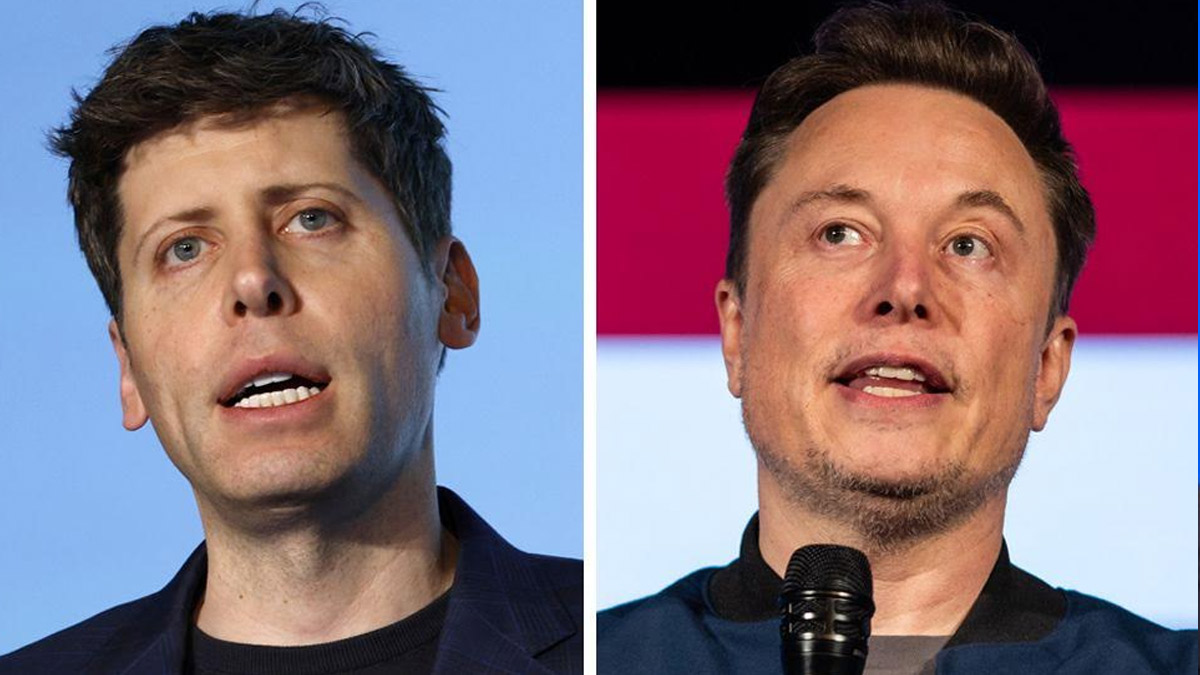
MUMBAI: When the stakes are measured in billions and egos are involved, even Silicon Valley titans can turn a courtroom into a battlefield. OpenAI has issued a sharp public response to Elon Musk’s ongoing lawsuit, accusing the billionaire of filing the case to harass a competitor rather than address genuine concerns. In a strongly worded statement shared on its official X account, OpenAI described Musk’s allegations as “baseless” and suggested the lawsuit is an attempt to disrupt the company as the case heads toward trial later this month in Oakland, California.
The response comes after Musk’s legal team recently amended the complaint, proposing that any damages potentially exceeding $150 billion should go to OpenAI’s nonprofit entity rather than to Musk personally. OpenAI questioned the timing and motive behind this change, calling it a late-stage attempt to “pretend to change his tune” on the nonprofit structure.
The company further labelled the lawsuit a “harassment campaign”, arguing that Musk’s actions are driven by personal rivalry, ego, and a desire for greater control and financial upside.
At the heart of the dispute is Musk’s claim that OpenAI has abandoned its original nonprofit mission of developing artificial intelligence for the benefit of humanity. A co-founder who left in 2018, Musk is seeking governance changes, including the removal of CEO Sam Altman from the nonprofit board, and the return of certain financial gains linked to Altman and President Greg Brockman.
OpenAI has firmly rejected these allegations, maintaining that its current hybrid structure, a public-benefit corporation overseen by a nonprofit parent remains true to its long-term goals. The company has also previously accused Musk of anti-competitive behaviour aimed at weakening its leadership.
As the case prepares for a jury trial, this public exchange highlights the deepening rift between two of the most influential figures in the AI revolution and raises broader questions about governance, mission, and power in the fast-moving world of artificial intelligence.
In the high-stakes game of AI, it seems the real drama isn’t just inside the models, it’s playing out in courtrooms too.






