I&B Ministry
Media Communication Policy being drafted to ensure access to information


NEW DELHI: A Media Communication Policy is under formulation in the Information and Broadcasting Ministry to address communication needs and enhance access to information.
Stating this, Minister of State for I and B Rajyavardhan Rathore told Parliament today that the aim would also be to promote national dialogue on development issues by all citizens; and ensure timely, orderly and effective growth and dissemination of Government information.
This was decided in the State Information Ministers’ Conference (SIMCON) held on 9 and 10 December 2016.

Various issues concerning State and Central Governments on integrated and effective dissemination of information were discussed.
It was decided that the policy will be finalized in consultation with States.
Integrating Government communication with development and enabling participation from citizens to improve decision making and implementation of Government programmes will be the aims of the policy, the Minister said.
He said facilitating systematic use of communication and information strategies contributes in large measure to more effective use of Government resources and better implementation of Government programmes and policies thereby contributing to improved quality of life of citizens.
Also Read:
Mass Comm courses in regional languages significant: Naidu




I&B Ministry
Govt extends TRP suspension for news channels by four weeks amid concerns
I&B ministry cites sensationalism fears linked to West Asia conflict coverage
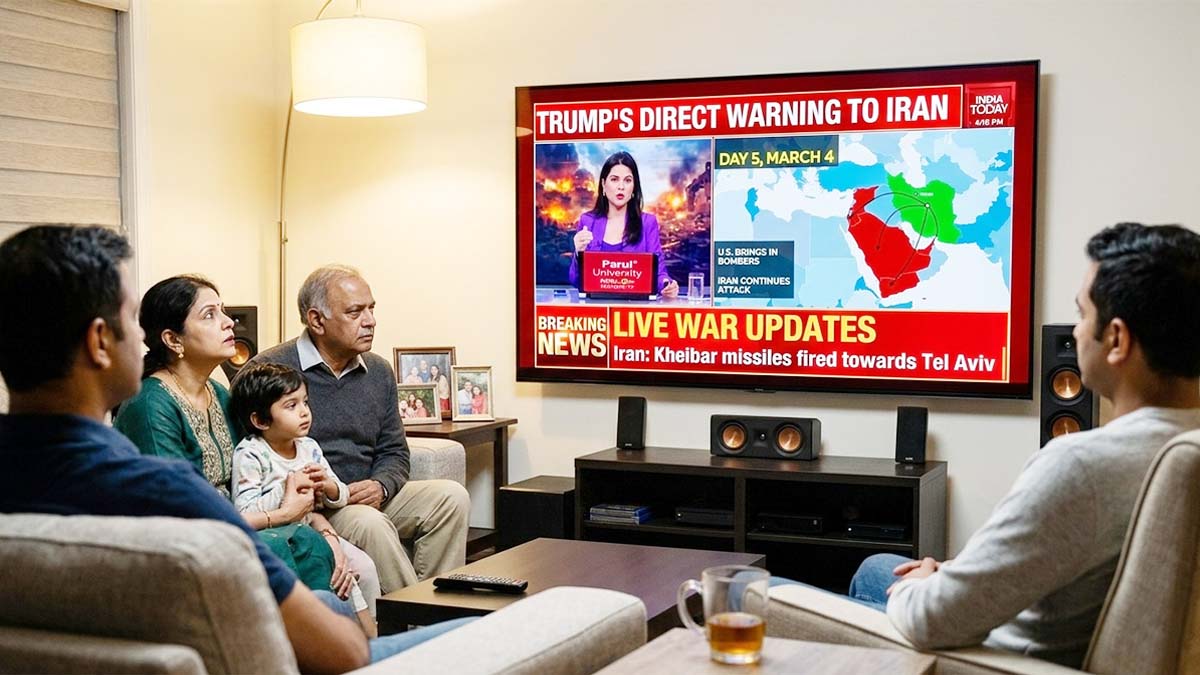
NEW DELHI: The Ministry of Information and Broadcasting has extended the suspension of Television Rating Points for news channels by another four weeks, keeping the industry in a ratings blackout for a longer stretch.
In an order dated March 31, the ministry directed the Broadcast Audience Research Council to continue withholding TRP data “for a further period of four weeks or until further directions, whichever is earlier.” This marks the second such directive after an initial four-week pause was imposed on March 6.
The government said the extension is aimed at curbing unwarranted sensationalism and speculative reporting, particularly in the context of the ongoing tensions in West Asia. It noted that the conflict continues to evolve and could trigger anxiety among viewers, especially those with personal or economic ties to the region.
TRPs serve as the primary yardstick for measuring television viewership and play a crucial role in shaping advertising revenues and competitive positioning among news broadcasters. Their absence effectively removes a key performance benchmark, forcing channels to operate without publicly available ratings.
The directive applies specifically to news television channels and has been issued under the government’s regulatory powers in the interest of public order. While the move is framed as a temporary measure, its continuation suggests ongoing concerns about the tone and nature of coverage.
For broadcasters, the extended blackout means navigating a high-stakes news cycle without the usual scoreboard. Whether it tempers the noise or simply shifts the battle elsewhere remains to be seen, but for now, the ratings race is officially on pause.






