GECs
Marathi GECs improvise to engage viewers during lockdown

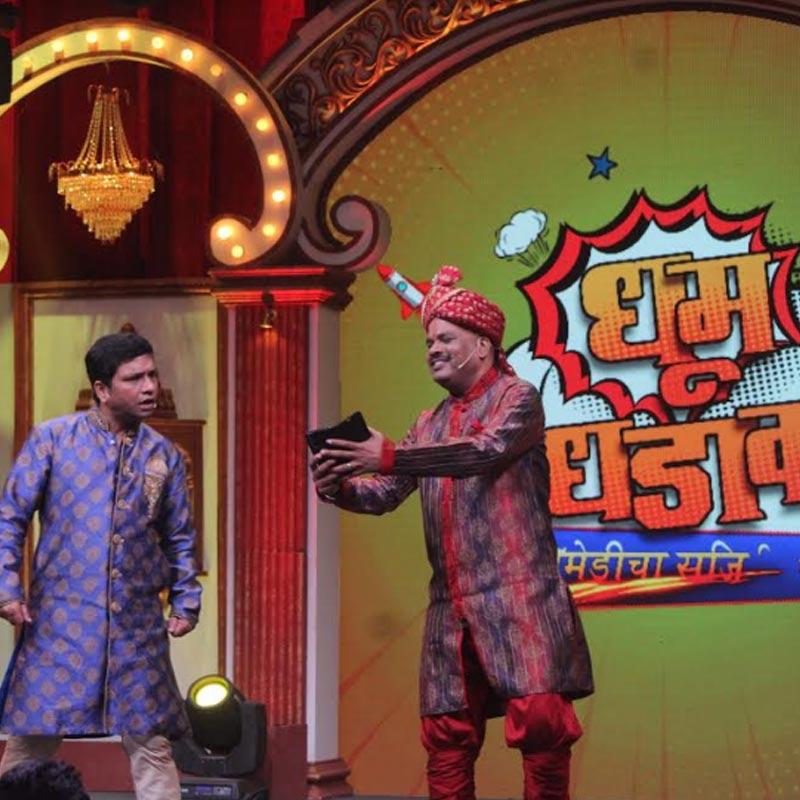
MUMBAI: Given the dearth of fresh content, Marathi GECs had to come up with ways to fill airtime. Some are running dubbed versions of Hindi hit shows during the Covid2019 lockdown while others have fresh content such as those shot by actors. However, the most common trend in all of these channels is comedy shows.
Fakt Marathi, a sister channel of Enterr10 and Dangal, relied on humour and spirituality to create engagement with the audience. The channel has grown 30-35 per cent in terms of viewership in the last six weeks of lockdown on average in the urban market.
Explaining its content strategy, Fakt Marathi co-promoter Shirish Pattanshetty says, “We are re-running archived content and a repeat of Marathi dubbed version of Hindi hit show, Taarak Mehta Ka Ooltah Chashmah, along with other certain shows that the market has not seen so far.” The show has been running on the channel for 100-plus days now, and the process of dubbing for new content will begin from 1 June with producers likely to submit it to the channel when lockdown opens up.

"We have certain shows in the bank that were never exploited and these traditional shows have the power to connect with the audience and were acquired from a Marathi broadcaster, who shut shop a few years back," says Pattanshetty. He adds, "Shows like Khel Savalyancha, Krupa Sindhu Brahmand Nayak, Madam Sasu help us change our sampling size and with other channels burning their niche properties, they tend to lose their loyal viewers who try to find an alternative in the same sphere.”
At this juncture, the broadcasters' only focus is to create stickiness, keep viewers engaged, as due to economic crunch the overall advertising revenue across the Marathi GEC market has shrunk by 70 per cent, says Pattanshetty. “Our advertising revenue in the last two months has fallen to the tune of 65-70 per cent, because shops and establishments are not open and except for essential services brands are not promoting anything else.”
Sony Marathi became the first channel to come up with a remotely produced comedy show called, Aatshe Khidkya Naushe Daara, despite being under lockdown. The show features 16 actors playing various characters; these artists themselves have shot their bit and later have been given flow at the editing table. The show’s plot was how residents of a typical housing society gossip about each other.
“Considering this tough time as an opportunity to innovate and set higher benchmarks for the Marathi GEC space and rather acquiring content library inorganically, we thought of creating a new show which helps stick to our standards to keep viewers engaged with fresh content,” says Sony Marathi business head Ajay Bhalwankar.
“The logistical constraints of creating this show were huge,” explains Bhalwankar. “This show helped us understand that limitation on resources is actually conducive for innovation and we will continue to do so in the future also.”
The channel believes that the content shown on the platform should create an impact on viewers’ lives rather than just evaluating it on the basis of viewership.
From popular fiction shows such as Sukhachya Sarini He Mann Baware, Raja Rani Chi Ga Jodi, Jeev Zala Yedapisa and Balumamachya Navana Changbhala to exciting non-fiction reality shows like Sur Nava Dhyas Nava and Big Boss Marathi to comedy shows like Comedy Chi Bullet Train, Colors Marathi has kept viewers entertained with content they love and resonate with.
Says Viacom18 business head – Marathi entertainment Nikhil Sane: “Despite working remotely, we are brainstorming on our comeback strategy with fresh and original content, once permissions to shoot are granted and the situation stabilises.” The channel is currently dependent on its prime properties such as Bigg Boss Marathi and Comedy Chi Bullet Train to drive the viewership growth.
On the contrary, Pattanshetty says, “All production houses are excited to come back and start creating fresh content, but I personally believe that it’s not going to be easy; producers might not be able to shoot good content with limited resources. Also, a fear of Covid2019 can put any show on and off. If anybody at a particular shooting location is infected then the show could go for a toss.”
He believes that broadcasters will look at creating a bank of at least two-three weeks before going live.
Days DigitalKites senior vice-president Amit Lall, “Currently, no brand is looking at show sponsorship. Rather, they are doing run-on networks, wherein they seek certain impressions to be burned on their advertisement shown on a channel.”
According to Lall, brands are only looking for inventory buying rather being show sponsoring due to the absence of fresh content.






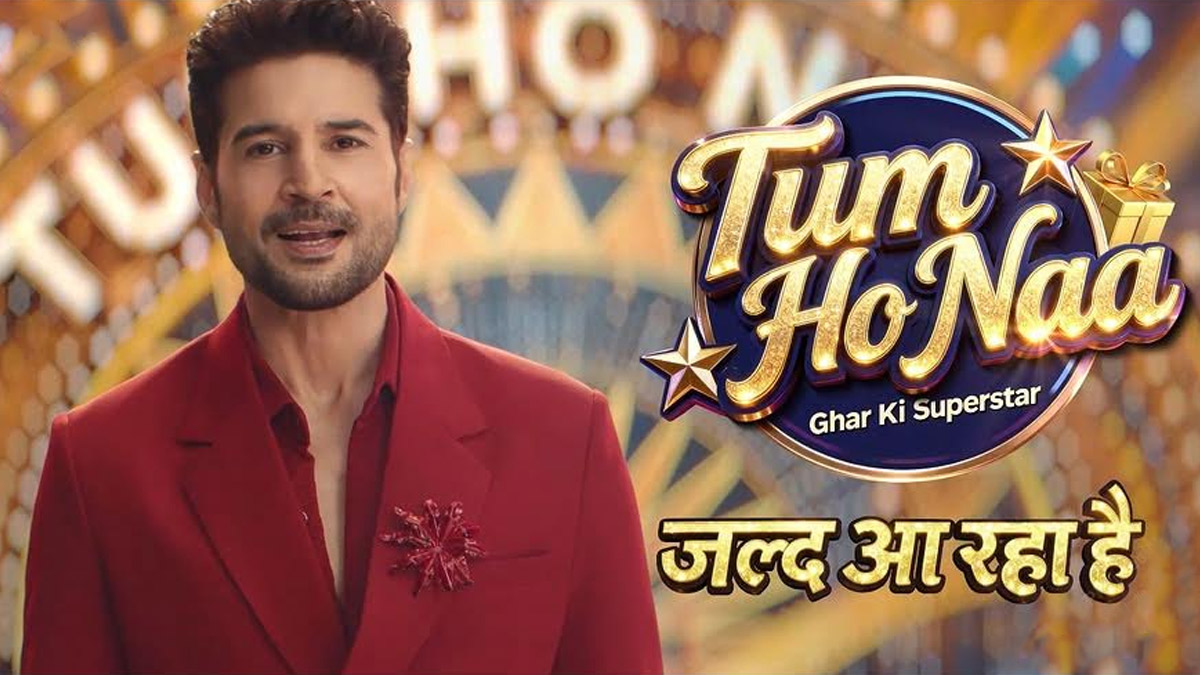
MUMBAI: Lights, camera… connection because this time, the game isn’t just about winning, it’s about who’s with you. Sony Pictures Networks India is gearing up to launch a new reality game show, Tum Ho Naa, expanding its unscripted slate with a format that promises both emotion and engagement.
The show will premiere soon on Sony Entertainment Television and stream on Sony LIV, with Rajeev Khandelwal stepping in as host. Known for his measured screen presence and selective choices, Khandelwal’s return to television adds a layer of familiarity and credibility to the upcoming format.
While specific details of the gameplay remain under wraps, the positioning suggests a reality format that leans as much on emotional resonance as it does on competition, an increasingly popular blend in Indian television, where audiences are gravitating towards content that offers both stakes and storytelling.
Khandelwal, reflecting on his return, noted that his choices have often been guided by instinct rather than convention, describing Tum Ho Naa as a project that feels “close to the heart”. His association also signals Sony’s continued focus on anchoring new formats with recognisable faces who bring both relatability and depth.
The launch comes at a time when broadcasters are doubling down on original non-fiction formats to drive appointment viewing, even as digital platforms expand parallel reach. By placing the show across both linear television and OTT, Sony appears to be aiming for a dual-audience strategy capturing traditional viewers while engaging digital-first consumers.
As the countdown to premiere begins, Tum Ho Naa positions itself not just as another game show, but as a reminder that sometimes, the biggest prize on screen isn’t the jackpot, it’s the journey shared along the way.







