Hindi
Mahayoddha Rama (Animation): Combines myth and comic for kids

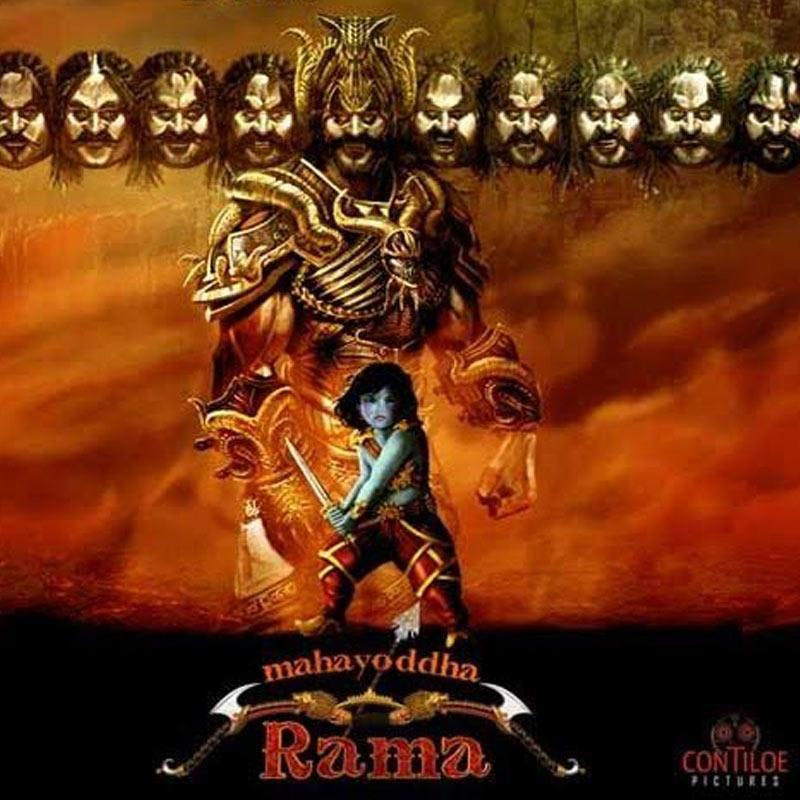
When it comes to animation films, our filmmakers usually fall back on Indian mythology probably thinking that the viewer will be familiar with the story already. Few, if ever, attempt a theme outside the myth such as the recent one MotuPatlu: King Of Kings.
Mahayoddha Rama adopts a different approach in that this tale has been told from Ravan’s perspective who wants to destroy Rama, the avatar of Lord Vishnu, prophesied to be his doom. The approach is comical with a dash of martial art.
As the story goes here, Ravan has been trying to get rid of Rama since his childhood and trying every trick from sending a tiger to kill Rama to sending his sister Surpankha to lure him and brother Laxman.

Ravan’s 10 heads are the funny part of the film as each head has a different voice. While the main head has the voice of Gulshan Grover to go with his villain image, the rest are voices of Roshan Abbas, Gaurav Gera, Kiku Sharda, Sadashiv Amrapurkar and Amin Sayani, and others. One of the heads of Ravan also keeps chanting ‘Jai Shri Ram’ frequently!
Kunal Kapoor has done the voiceover for Rama, Jimmy Shergill for Laxman and Suchitra Pillai for Surpankha.
This animation film looks more like a comic take on the epic myth as the character of Ravan here is more like a caricature meant to evoke laughter though his surroundings are dark and he is surrounded by all sinister looking aides.
While the animation is not up to the mark with the characters having limited expressions. The film has taken a long time hitting the cinemas having been made in 2008. It aims more at kids seeking fun out of this comical version of the Ramayana.
Producer: Contiloe Films.
Direction: Rohit Vaid.
Cast (voices): Gulshan Grover, Kunal Kapoor, Jimmy Sheirgill, Mouni Roy, Amin Sayani, Sadashiv Amrapurkar, Sameera Reddy


Hindi
YRF Entertainment appoints Saugata Mukherjee as head of content
Former SonyLIV content head to steer films and series at streaming arm
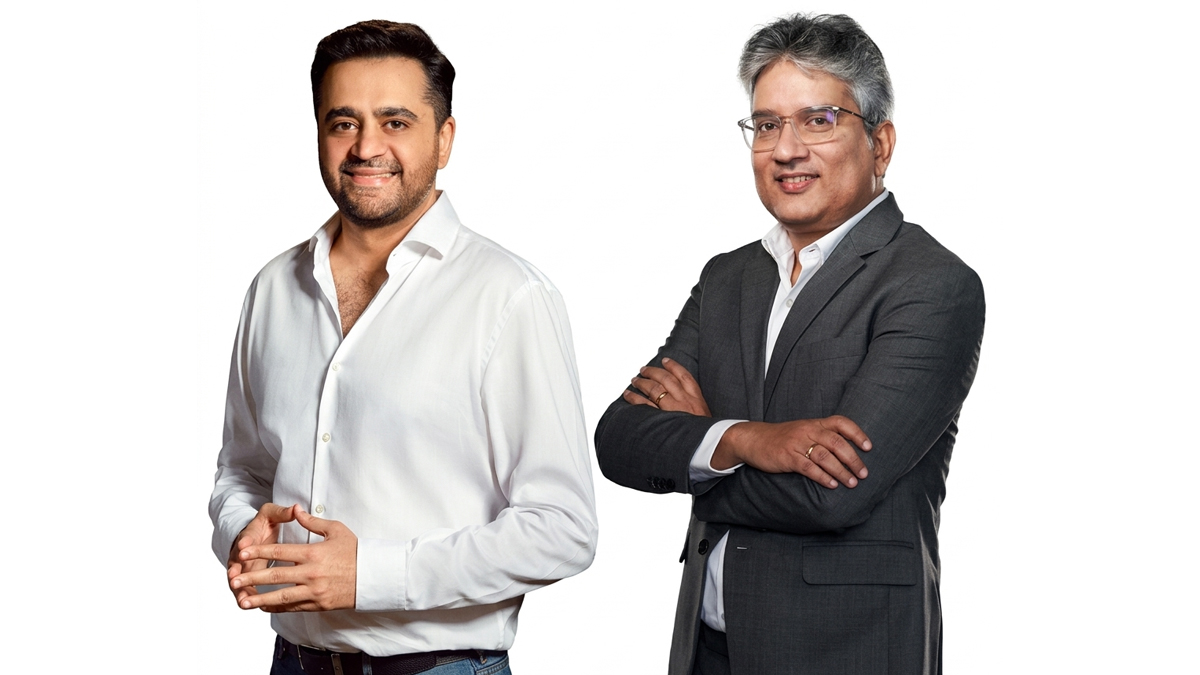
MUMBAI: YRF Entertainment, the streaming arm of Yash Raj Films, has appointed Saugata Mukherjee as head of content, signalling a strong push to scale its original films and series slate.
Mukherjee joins the company following a successful three-and-a-half-year stint at SonyLIV, where he served as executive vice president and head of content. In his new role, he will report to CEO Akshaye Widhani and lead the creative direction and commissioning strategy for YRF Entertainment’s growing slate.
The appointment comes on the back of YRF Entertainment’s recent global success with titles such as The Romantics, The Railway Men and Mandala Murders, which have helped position the studio as a serious player in the streaming space.
At SonyLIV, Mukherjee played a key role in shaping the platform’s identity as a premium content destination. Under his leadership, the service delivered acclaimed originals across genres, building a reputation for storytelling depth and creative risk-taking. His exit was described as “one of the harder goodbyes”, reflecting both the impact of his tenure and the strength of the team he leaves behind.
Mukherjee brings with him a wide-ranging career that spans publishing, television and streaming. Before SonyLIV, he led content initiatives at HBO Max under Warner Bros. Discovery, where he was instrumental in shaping the platform’s India strategy. His earlier roles include senior leadership positions at Hotstar and Star TV, where he worked on building original content pipelines and collaborating with top creative talent.
With a career that began in publishing at firms like HarperCollins and Pan Macmillan, Mukherjee’s journey reflects a deep-rooted understanding of storytelling across formats and platforms.
His move to YRF Entertainment comes at a time when the battle for streaming audiences is intensifying, with studios doubling down on high-quality originals to stand out in a crowded market.
For YRF, the appointment is more than just a leadership hire. It is a clear signal that the studio is ready to scale its streaming ambitions, with Mukherjee expected to play a central role in shaping its next chapter.






