Gaming
Ludium Lab, ACCESS Europe and XPENG present Europe’s cloud gaming platform

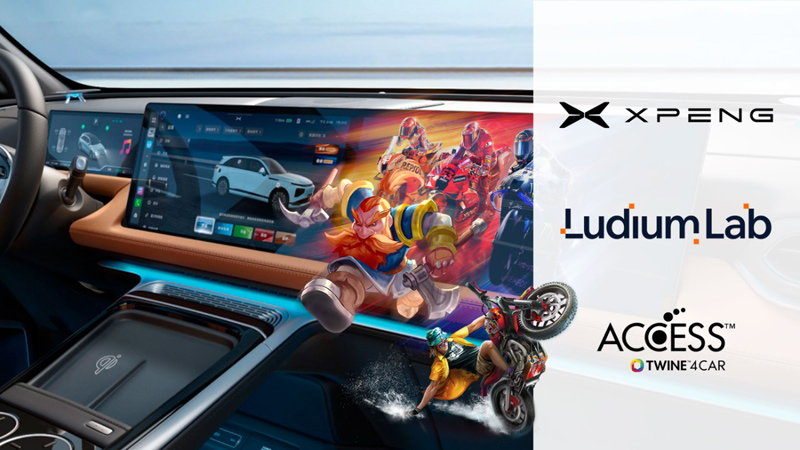
Mumbai: ACCESS Europe GmbH, Ludium Lab, and XPENG announced they have collaborated to make cloud gaming for in-car displays a reality. This project combines ACCESS’s IVI (in-vehicle infotainment) technology with Ludium Lab’s cloud gaming platform to enable XPENG customers to enjoy state-of-the-art cloud gaming.
The collaboration sees SoraStream white-labelled as XPLAY from Ludium Lab, and enabled through the ACCESS TwineTM for Car (Twine4Car) app store platform from ACCESS Europe provided in XPENG vehicles. XPLAY gives users access to a large catalogue of PC, mobile, and console games, including major AAA games and games exclusive to Ludium Lab.
XPENG vice chairman and president Brian Gu said, “In-car entertainment is an increasingly important part of the car-buying decision, so offering an exciting portfolio of audio, games, and video entertainment through XPLAY is critical, The collaboration with ACCESS Europe and Ludium Lab ensures that easy and enjoyable journeys in an XPENG will be engaging for everyone thanks to the high-quality cloud gaming developed specifically for our extra-wide infotainment screens.”

A stand-out feature of the gaming performance is the 60 FPS Full HD games that can be played on XPENG infotainment screens. Users do not need to download any games, and the service includes parental controls. The XPLAY service also uses a monthly subscription model.
ACCESS Europe CEO Aono Masahiro said, “Our Twine4Car Platform and App Store is a content aggregation platform that for the first time brings together the latest in IVI technology and premium content in a fully OEM-branded interface. The addition of Sora Stream from Ludium Lab ensures that XPENG car users have access to a truly engaging mobility experience”
Ludium Lab CEO José Martín said “The collaboration between all three companies has been essential in enabling the launch of this disruptive and innovative in-car cloud-gaming service .Our SoraStream solution offers a large video game catalogue for all kinds of players, making this project an exciting opportunity for XPENG customers.”



Gaming
Konami concludes successful eFootball India campaign
Campaign featuring Rinku Singh, Varun Chakravarthy and other stars boosts engagement ahead of FIFA World Cup 2026.
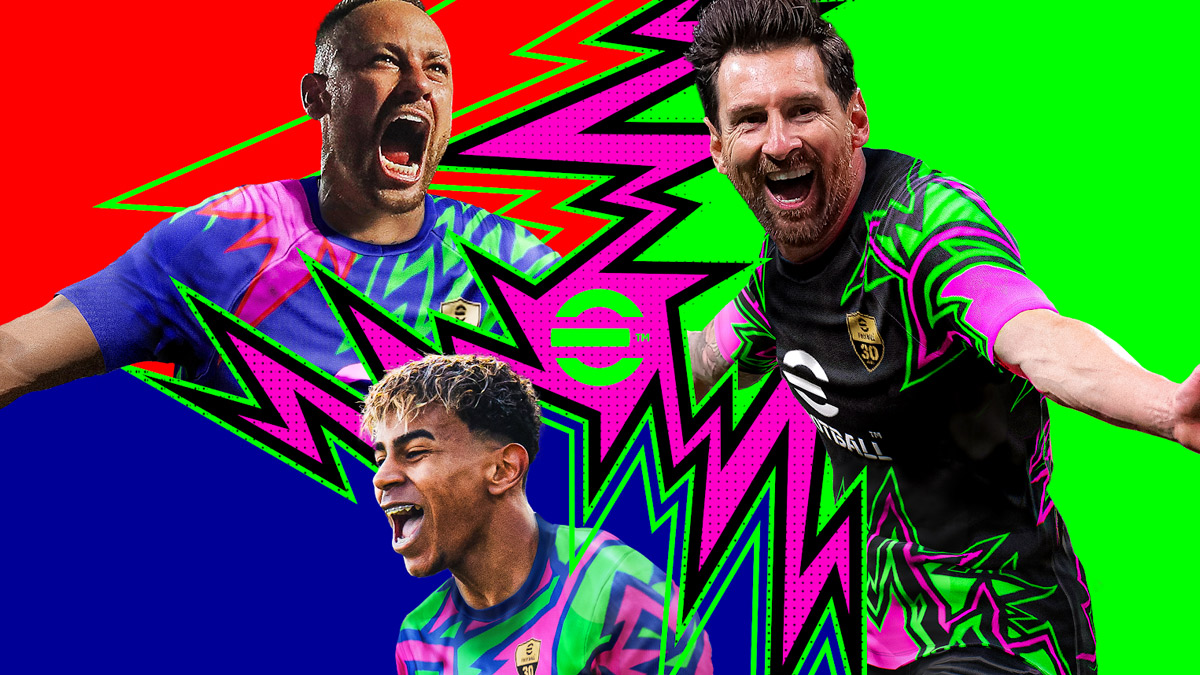
MUMBAI: When cricket meets football in the virtual world, even the biggest fans can’t help but score and Konami’s latest eFootball campaign in India has clearly hit the back of the net. Konami Digital Entertainment has successfully wrapped up its India campaign for eFootball, which brought together cricketers Rinku Singh and Varun Chakravarthy, actors Naslen Gafoor and Chandu Salim Kumar, and footballers Sahal Abdul Samad and Shubhasish Bose. The multi-star campaign generated strong excitement across gaming, football, and creator communities through social content, fan participation, and in-game engagement.
Building on the initial launch that featured a limited-time Lionel Messi card, the campaign united fan communities, lifestyle creators, football creators, and competitive eFootball influencers. It significantly expanded the game’s visibility and deepened engagement with fans across the country.
The campaign also saw thousands of entries submitted as part of its social media engagement challenge, reflecting high levels of community enthusiasm and active creator involvement.
Looking ahead, Konami plans to build on this momentum with more eFootball experiences for Indian fans as the FIFA World Cup 2026 approaches. With global attention on the tournament set to rise, India will remain a key market for deepening community engagement and bringing fans closer to the action.
In a country that lives and breathes sport, Konami has shown that mixing real-world stars with virtual thrills is a winning formula leaving fans eagerly waiting for the next goal.






