iWorld
Lockdown binge-watching a boon for OTT


MUMBAI: This unprecedented crisis called COVID-19 has turned out to be a blessing in disguise for OTT platforms. With people locked indoors, the only refuge has been their smartphones, giving way to, possibly, the next wave of growth for OTT companies. New-age entertainers, such as ZEE5, MX Player, Voot, Netflix and Amazon Prime Video, seem to be the obvious beneficiaries as people stay cocooned in the comforts of their homes for weeks.
Will ad and subscription revenue go up along with the viewership?
According to the BARC-Nielsen report, the time spent on smartphones, the main device to consume online content in India, has increased by almost three hours per week in week 2 of COVID-19 disruption. Time spent on video streaming apps also grew by 11 per cent which was driven by original series and movies. Hence data has proved what experts predicted at the beginning of the crisis.

“There will be an impact on all industries. OTT is one of the few sectors which will have a silver lining. Bandwidth for data consumption for telcos will also shoot up. A lot of reality shows and soap-operas which are on a running model have suddenly dried up for short to mid-term and TV channels have to show alternate content. However, when you are confined at home, content consumption both on TV and OTT will go up dramatically. While the supply chain has certainly been affected, content creators and media players will have to be smart enough to see how they build their business continuity plan of content and how they maximise the increased TV or OTT viewership,” says PwC India media, entertainment and sports advisory, partner and leader Raman Kalra.
SBICap Securities institutional equity research head Rajiv Sharma reaffirms that this is a great thing for the sector. He believes the industry will see a quantum jump in OTT viewership and consumption. Sharma adds that while TV channels are running out of content, OTT platforms have a lot of content which has not yet been consumed by all viewers. According to him, some platforms like Netflix can always have more English content. He, however, reminds that if the lockdown gets prolonged to three to six months, then OTT platforms too will struggle to churn out fresh content.
Sharma adds that movies can play a role here. Those that were slated for a theatrical release, but had to be called off due to the current situation, can be released digitally through OTT platforms. Irrfan Khan-starrer Angrezi Medium had a short run in theatres before it decided to make its digital debut on Disney+ Hotstar.
Kalra believes that the situation could even boost subscription for OTT platforms. As more people consume content, some of them will get converted into paid subscribers, bringing in revenue to the digital medium. Sharma also believes that these new subscribers will rake in the moolah for OTT platforms once the situation stabilises.
The next 90 days will witness growth for the space, according to Sharma. Ad spends will shift to digital, but at a lower rate than the normal. According to him, overall ad sales combining TV and digital may decline by 15-20 per cent if COVID-19 disrupts the business for more than 30 days.
“With this surge in traffic, telecom operators are struggling to provide adequate bandwidth. When bandwidth consumption reaches the threshold, the user experience gets affected. At this point, companies wouldn’t want to show ads because that will put an extra burden. Currently, ad-dollar is down and no brands want to push them. The only ones that can break through are those that can create relevant content around COVID-19,” says DigitalKites senior vice president Amit Lall says.
The promise of innovative offerings
Eyeing opportunities, some platforms have opened up their premium content for free viewing during this period. Some others are trying to push their content to television or partnering with payment gateways. These are inorganic growth mechanisms that are being targetted.
Amazon Prime Video has brought out a special catalogue of children and family content, available for free; and ZEE5 has also made an array of premium content available on the AVOD side. Eros Now is offering a free two-month subscription. Three of Alt Balaji's shows are being run on Zee TV.
While media planners laud the social cause behind these moves, they also mention that this is a big opportunity for the SVoD players to get consumers to sample premium content. Media professional Lalit Agrawal says that this sampling will help consumers make an informed choice about the quality of content when they would want to subscribe in the future after the turmoil is over.
Lall says, “For two to three months, consumers will get to taste the content and since everybody has a sizable inventory in terms of content, once viewers are habituated, they can stick. These people who are now getting into the wheel will move up to pay.”
Indeed, this phase, caused by a sudden change in lifestyle, is scripting a new chapter for online content with more consumers adapting to streaming services and existing ones increasing the uptake and sampling more platforms. Both AVOD and SVOD platforms will try to convince new floating users with not only great content but also volume.







Gaming
Skyesports, GodLike Esports sign MoU with Maharashtra Cyber
Partnership promotes esports growth and cyber hygiene across the state.
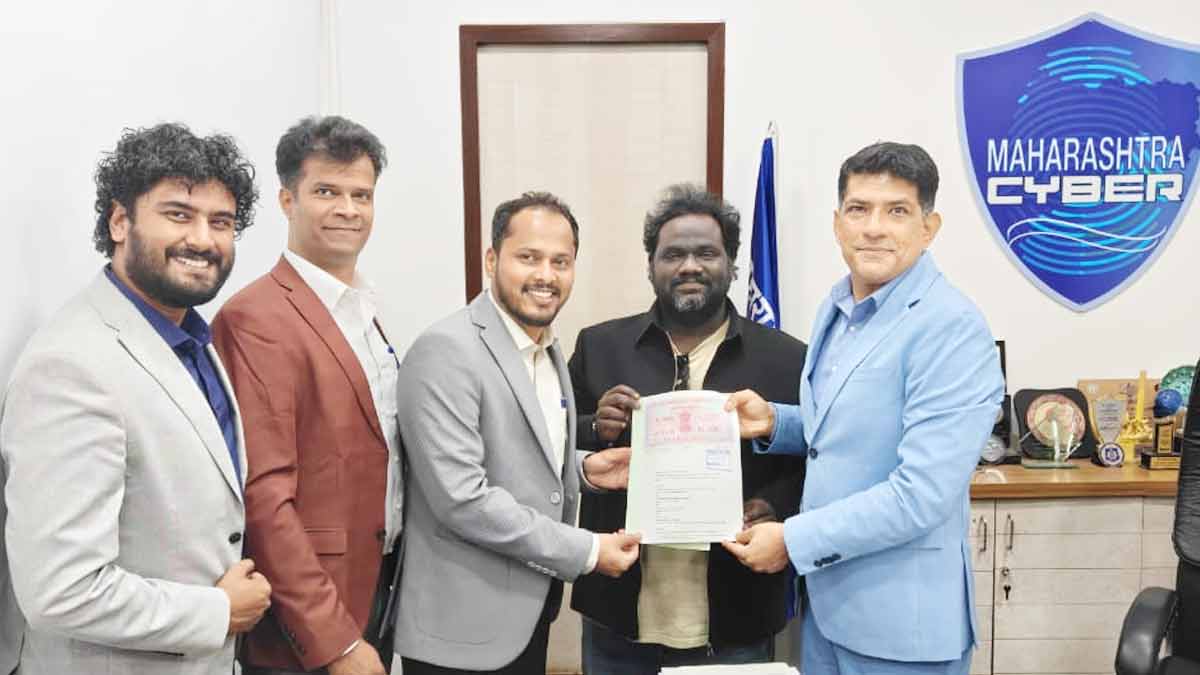
MUMBAI: Skyesports and Godlike Esports just teamed up with Maharashtra Cyber because when you’re levelling up gaming in India, even the police want to join the squad. Skyesports, India’s leading esports and gaming IP builder, and premier organisation Godlike Esports have signed a Memorandum of Understanding (MoU) with Maharashtra Cyber, the state’s nodal cyber security office, to foster esports development while embedding cyber hygiene and online safety practices across Maharashtra.
The agreement, formalised during a closed-door meeting in Mumbai, aligns with the state’s push to grow the orange economy and positions Maharashtra as a rising hub for digital gaming and esports. It emphasises responsible participation, cyber awareness and safe digital conduct among gamers and youth.
Under the MoU, Skyesports will organise and promote tournaments and community initiatives infused with cyber hygiene messaging. GodLike Esports will contribute through professional player mentorship, community engagement and awareness programmes encouraging positive behaviour. Maharashtra Cyber will support safety campaigns and promote responsible online practices within the ecosystem.
Skyesports founder and CEO Shiva Nandy said, “The growth of esports requires strong collaboration between the industry and government stakeholders. This MoU with Maharashtra Cyber represents an important step toward strengthening Maharashtra’s esports ecosystem through responsible gaming initiatives and grassroots engagement.”
Maharashtra Cyber additional director general of police Yashasvi Yadav added, “As esports continues to grow rapidly among young audiences, it is equally important to promote safe and responsible digital practices within the gaming ecosystem.”
Godlike Esports, founder Chetan “Kronten” Chandgude noted, “The true growth of esports in India lies in strengthening its roots at the grassroots level. This collaboration will support the state’s vision of building a strong and sustainable esports ecosystem.”
Eyrie Entertainment will cover and amplify Maharashtra Cyber’s cyber awareness activities across events and campaigns.
The partnership reflects a forward-looking effort to nurture Maharashtra’s esports talent pipeline while ensuring rapid growth is matched by strong digital safety guardrails. Further initiatives, tournaments and outreach programmes are expected to be announced soon.
In a state where gaming is levelling up faster than broadband speeds, this MoU isn’t just paperwork, it’s a power-up that turns players into safer, smarter pros, one secure headshot at a time.








