iWorld
Lionsgate Play exclusively streamed the 81 Golden Globe Awards on 8 January

Mumbai: The awaited night in cinematic television reigned supreme! The 81 Golden Globe Awards are here. Showcasing entertainment brilliance, the star-studded event celebrated awards, heartfelt speeches, glamor, and fashion trends, bringing all your favourite Hollywood stars under the same roof! Be it Cillian Murphy and Christopher Nolan’s first ever Golden Globe win or the unexpected but extremely welcome Suits reunion, the Awards were a perfect start to the year. This cultural celebration where the red-carpet met the alchemy of storytelling streamed LIVE today on Lionsgate Play on 8 January 2024. In case you missed it, the 81 Golden Globe Awards are available to watch, exclusively on the platform. Here’s taking a quick look at the best moments from the 81 Golden Globes.
The Taylena Reunion of our dreams
Mothers have mothered and how! The most celebrated Hollywood duo aka Taylor Swift and Selena Gomez, gave their fans yet another ‘awww’ worthy moment as they posed for some adorable selfies. What’s more, the two were seen engaging in a serious gossip session, which had us all wondering what ‘tea’ was being spilled. Rumor has it that a certain Jenner stopped Sel from posing with Willy Wonka aka Timothee Chalamet. We’d love to know how that unfolded.

Unmatched Oppenheimer Dominance
With his chiselled jawline and iconically rare smile, Robert J Oppenheimer aka Cillian Murphy came in and stole the show as Oppenheimer swept the scene with 5 wins in various categories. From Murphy’s and Christopher Nolan’s first ever Golden Globe Win as Best Performance by a Male Actor in a Motion Picture and Best Director of a Motion Picture to Best Motion Picture, the film dominated the Awards night. Ruling theatres in 2023 by garnering more than 1 BILLION in revenue, the actor-director duo reigned supreme, proving that they are here to stay!
Michelle Yeoh’s not-so-subtle warning
She’s a Crazy Rich Asian and knows how to get away with it! After winning Best Actor Female in a Motion Picture during the 2023 Golden Globe Awards for ‘Everything Everywhere All At Once’, Michelle Yeoh was forced to wrap up her speech by an impatient pianist, leading to her viral ‘shut up’ moment. However, this time around, when the actor came to present the award she gave a not-so-subtle nod stating ‘I threatened to beat up the piano player if they played me off my acceptance speech. You will be happy to know that I am very chill this year’, leaving the audience in hoots.
Barbie took the Cinematic Box Office cake and a few other slices too!
After painting the town pink, Barbie not only got nominated in a brand new category, but won it too. To celebrate theatre and movie-goers, the Golden Globes introduced the ‘Cinematic and Box Office Achievement’ category. With films like John Wick: Chapter 4, Mission Impossible: Dead Reckoning Part 1 and Oppenheimer fighting to take the gold home, Barbie still landed on top, proving that womanhood rules. Besides its triumphant win in the category, the Margot Robbie starrer also took home best Original Song in a Motion Picture for Billie Eilish’s ‘What Was I Made For?’
A Well ‘Suited’ Reunion
Butch and Sundance are back, baby! A surprise reunion saw the main cast of Suits reunite on-screen (albeit just to present an award). Despite missing a few key members of the cast, Patrik Adams, Gabrial Macht, Gina Torres and Sarah Rafferty reunited to present the award for Best Television Series, giving fans the same excitement and happiness they did for 9 years. With their witty banter still intact, they showed viewers and fans that they haven’t skipped a beat after all these years.
Lionsgate Play exclusively streamed the 81st Golden Globe Awards on 8 January 2023 at 6:30 AM







iWorld
OpenAI hits back at Elon Musk’s lawsuit ahead of trial
Company calls claims “baseless” and accuses Musk of trying to disrupt a rival.
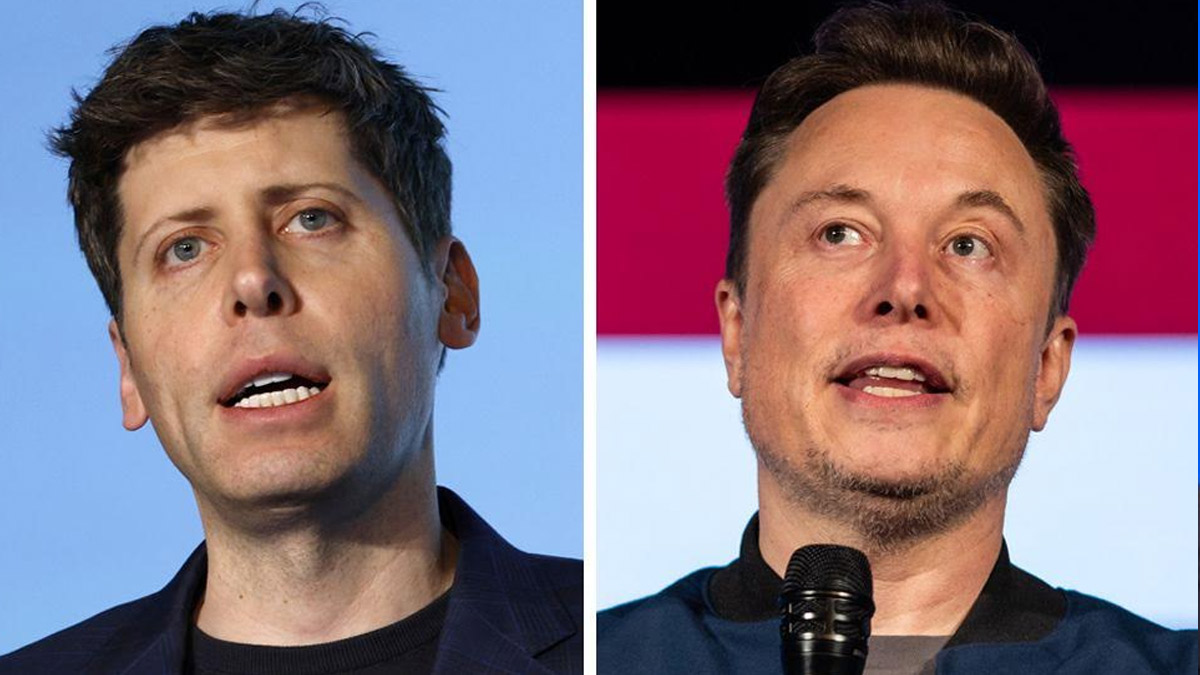
MUMBAI: When the stakes are measured in billions and egos are involved, even Silicon Valley titans can turn a courtroom into a battlefield. OpenAI has issued a sharp public response to Elon Musk’s ongoing lawsuit, accusing the billionaire of filing the case to harass a competitor rather than address genuine concerns. In a strongly worded statement shared on its official X account, OpenAI described Musk’s allegations as “baseless” and suggested the lawsuit is an attempt to disrupt the company as the case heads toward trial later this month in Oakland, California.
The response comes after Musk’s legal team recently amended the complaint, proposing that any damages potentially exceeding $150 billion should go to OpenAI’s nonprofit entity rather than to Musk personally. OpenAI questioned the timing and motive behind this change, calling it a late-stage attempt to “pretend to change his tune” on the nonprofit structure.
The company further labelled the lawsuit a “harassment campaign”, arguing that Musk’s actions are driven by personal rivalry, ego, and a desire for greater control and financial upside.
At the heart of the dispute is Musk’s claim that OpenAI has abandoned its original nonprofit mission of developing artificial intelligence for the benefit of humanity. A co-founder who left in 2018, Musk is seeking governance changes, including the removal of CEO Sam Altman from the nonprofit board, and the return of certain financial gains linked to Altman and President Greg Brockman.
OpenAI has firmly rejected these allegations, maintaining that its current hybrid structure, a public-benefit corporation overseen by a nonprofit parent remains true to its long-term goals. The company has also previously accused Musk of anti-competitive behaviour aimed at weakening its leadership.
As the case prepares for a jury trial, this public exchange highlights the deepening rift between two of the most influential figures in the AI revolution and raises broader questions about governance, mission, and power in the fast-moving world of artificial intelligence.
In the high-stakes game of AI, it seems the real drama isn’t just inside the models, it’s playing out in courtrooms too.






