News Broadcasting
Lanka Tri-series: SC rules Ten Sports’ need not share feed with DD

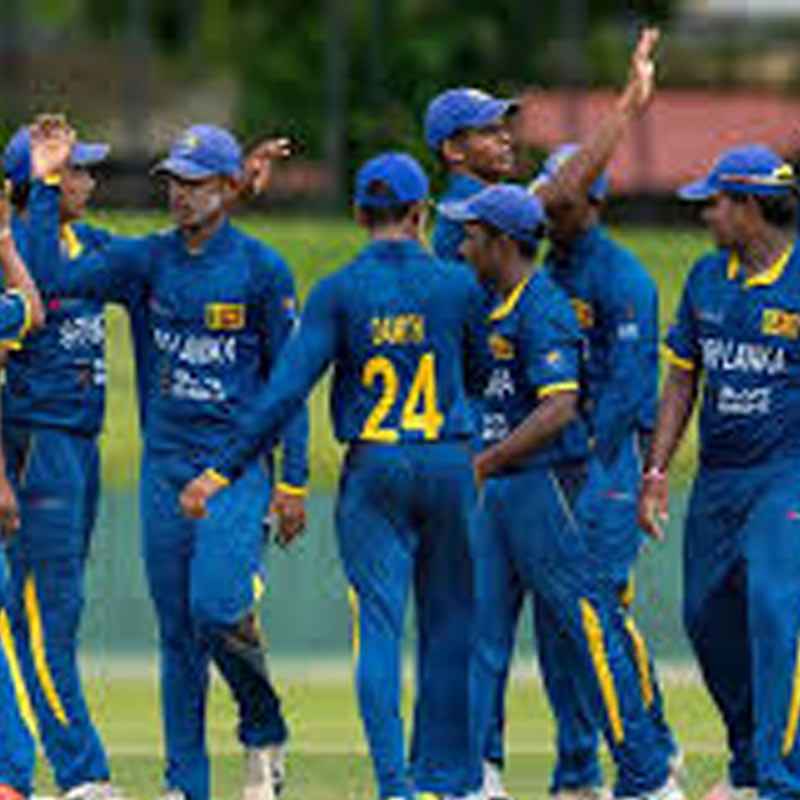
MUMBAI: The Supreme Court today ruled in favour of Taj Television, owner of Ten Sports, while restraining pubcaster Prasar Bharati from interfering with the live transmission of the upcoming Sri Lanka tri-series involving India as well.
India, South Africa and hosts Sri Lanka will figure in the one-day tri-series to be played from 14 to 29 August on the island nation.
The ruling of the court, valid for the next three months, is not restricted only to cricket but also includes forthcoming major hockey (women’s Champions Trophy and World Cup) and the US Open tennis tournament that Ten Sports holds telecast rights to.

While delivering its verdict, the apex court applied a similar yardstick to the one it had used ahead of India’s tour to the West Indies in early May. It had then ordered that Ten Sports had exclusive telecast rights to the series and need not share it with the pubcaster.
Dubai-headquartered Taj Television had in its original petition on the matter sought a stay on the government guidelines making it mandatory for sports channels to share feed of sporting events of national importance with Prasar Bharati.
It also contended that the court should be guided by the earlier verdict in the India-Pakistan series wherein DD was just a carrier of the Ten Sports signals on its terrestrial network and had also deposited a sum of Rs 150 million in the court towards possible compensation to Ten Sports.
The matter was heard by a Bench comprising Justice Ashok Bhan and Justice Markandey Katju. The Bench had earlier issued notices to the information and broadcasting ministry and Prasar Bharati on Ten Sports’ plea.
In its plea, Ten Sports contended that it had acquired exclusive live telecast rights for all these events. In particular, it had acquired rights for the tri-series for four years from the Sri Lankan Cricket Board at a cost of about Rs 2.18 billion.
It is worth noting that Ten Sports’ rights to Sri Lanka cricket, which it has held since 1 January 2004, comes to a close on to 31 December 2006.





News Broadcasting
News18 India launches Command Centre war explainer with Arya
New show shifts from debates to decoding global conflicts and impacts
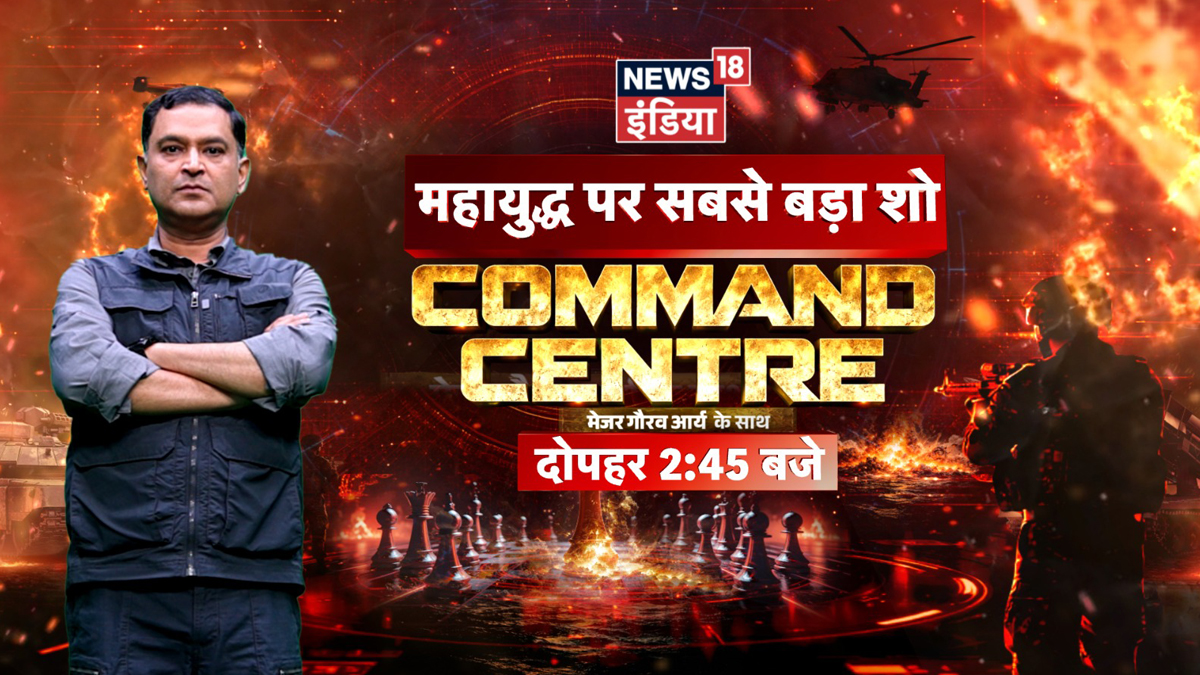
MUMBAI: News18 India has rolled out a new war-focused programme, Command Centre, featuring Gaurav Arya, as it looks to offer viewers a sharper, more grounded take on global conflicts amid rising tensions in West Asia.
Positioned as an “insider war room”, the show moves away from conventional panel debates and instead focuses on explaining military developments, decoding strategy and connecting global events to their everyday impact, from fuel prices to economic shifts.
The format leans heavily on visuals and data. The studio has been designed like a command hub, complete with large LED war maps, real-time graphics and an alert system to track developments as they unfold.
At the centre of it all is Arya, who brings his military background to simplify complex war strategies for viewers. His signature line, “Seedhi baat samjhiye”, anchors the show’s promise of clarity over noise.
News18 India managing editor Jyoti Kamal said, “Command Centre, featuring Major Gaurav Arya is designed to deliver accurate insights and a clear perspective on how evolving conflicts impact everyday life, from household budgets to national security. With expert voices analysing every development in real time, the show goes beyond headlines to decode what’s happening now, what it means, and what could come next.”
Echoing the intent, Gaurav Arya added, “In times of war, confusion is the biggest threat. With News18 India’s Command Centre, we are bringing viewers inside the war room, decoding strategies, tracking every escalation, and explaining, in the simplest terms, what it means for India and for every household. Seedhi baat samjhiye, this is where you understand not just what is happening, but what happens next.”
The weekday show will air in the afternoon slot and will also feature Gaurav Shukla, adding to its editorial depth.
With its mix of analysis, visuals and a clear focus on impact, the show reflects a broader shift in news consumption. Viewers are no longer just watching events unfold, they are looking to understand what those events mean for them.







