High Court
Kannada govt sets up panel to look into local cinema policy

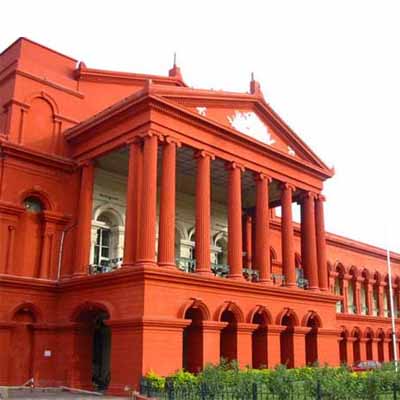
BANGALORE: Karnataka government has proposed to the agitating Kannada Film Producers Association (KFPA) and Kannada Film Directors Association (KFDA) to set up a panel including nominees from their organisations in order to recommend a comprehensive cinema policy for the State.
Responding to the deputy chief minister’s suggestion, KFPA and KFDA have chosen 11 members to be nominated for the proposed panel.
The nominees include Parvathamma Rajkumar, Ramu, Kanakapura Srinivas, K Manju, Ramesh Yadav, Basant Kumar Patil, actors Ravichandra and Raghavendra Rajkumar and directors Joe Simon and S V Rajendrasingh Babu.

Deputy chief minister Siddaramaiah who announced the decision at the rally organised by KFPA and KFDA yesterday, also promised that the recommendations would be implemented within ten days of the submission of the report.
Meanwhile, KFPA has decided not to allow the release of non-Kannada films (that includes English films) for seven weeks from the date of their first release elsewhere in the country beginning 13 August. The organisation has also demanded a 100-per cent hike in the entertainment tax for non-Kannada films.
Some of the other important demands made by the KFPA and KFDA include:
(1) All Kannada films must be shown in all theaters in Karnataka for at least 12 weeks a year.
(2) Abolition of show tax and turnover tax on exhibition of Kannada Films.
(3) Single window system for permission for filming.
KFPA claims that its decision of not allowing the release of non-Kannada films including English for seven weeks is in compliance with a 1996 agreement between the government and the exhibitors but is yet to be implemented.
Senior Kannada actor Dr Raaj Kumar addressed the rally. Prominent artistes including Vishnuvardhan, Ambarish, Upendra, Darshan, Ramesh, Bharati and Tara were conspicuous by their absence.






High Court
Delhi HC blocks illegal IPL 2026 streams, backs JioStar rights
Court orders swift takedowns, expands crackdown on piracy apps
NEW DELHI: In a timely move ahead of the cricketing season, the Delhi High Court has granted interim relief to JioStar India Private Limited, clamping down on illegal streaming of the TATA Indian Premier League 2026.
The court passed ex parte ad interim injunctions in two separate suits, restraining rogue websites and mobile applications from broadcasting IPL matches without authorisation. The tournament is set to begin on 28 March, making the timing of the order particularly significant.
Recognising JioStar’s exclusive digital and broadcast rights for the IPL cycle from 2023 to 2027, the court observed that unauthorised streaming would infringe its statutory and proprietary rights, potentially causing irreparable losses.
In one case, the court directed several identified websites to immediately stop hosting or streaming IPL content. It also issued a dynamic injunction, allowing JioStar to flag new infringing platforms in real time, which must then be blocked swiftly by domain registrars and internet service providers.
In a parallel order, the court turned its attention to piracy through mobile apps, particularly Android-based platforms distributing content via APK files. A broader dynamic+ injunction was granted, extending to future variants, mirror links and related interfaces, signalling a tougher stance on evolving piracy tactics.
The court also directed domain name registrars to suspend offending domains and share registrant details, including KYC and payment information. Internet service providers and telecom operators have been instructed to block access within strict timelines, in some instances within 36 hours. Both the Department of Telecommunications and the Ministry of Electronics and Information Technology have been asked to facilitate enforcement through necessary notifications.
Noting the fast-changing nature of digital piracy, the court emphasised the need for real-time enforcement tools to keep pace with anonymous and constantly shifting networks. It also underlined the commercial impact of piracy on legitimate rights holders.
The ruling reinforces the judiciary’s firm stance on protecting intellectual property in the digital age. For viewers, it is a reminder to stick to official platforms as the IPL season kicks off under tighter watch.






