Hindi
Kamal Haasan, Paresh Rawal and Sooni Taraporewala among Padma Awardees

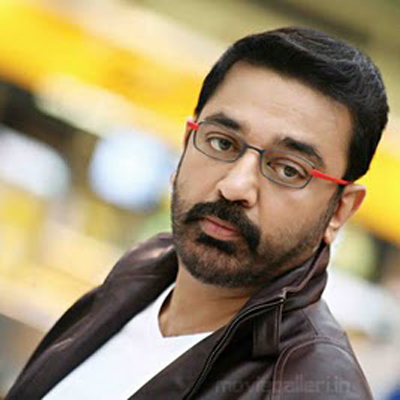
NEW DELHI: Veteran actor Kamal Hassan and vocal artiste Begum Parveen Sultana have been conferred the Padma Bhushan while actors Paresh Rawal, Vidya Balan, and filmmaker Santosh Sivan have been named for the Padma Shri awards in the Republic Day Honours this year.
Renowned Ghatam artiste T H Vinayakaram has also been named for a Padma Bhushan in the list announced by the President late this evening.

Veteran animation filmmaker Ram Mohan, actors Supriya Devi and Sabitri Chatterji from West Bengal and script writer and director Sooni Taraporewala have also been named for Padma Shri.
Renowned Tabla player Vijay Ghate, Sarangi exponent Ustad Moinuddin Khan of Rajasthan, pauna manjha music artiste Musafir Ram Bhardwaj, wellknown theatre exponent Bansi Kaul of Kashmir, eminent poet Ashok Chakradhar, eminent authors Ruskin Bond and Manorama Jafa are also among the Padma Shri recipients.
The late Justice J S Verma who had headed the News Broadcasting Standards Authority and later the inquiry into the rape of a medical student in December 2012 has been named posthumously for the Padma Shri.
Tennis ace Leader Paes, badminton player Pullela Gopichand, cricketer Yuvraj Singh from Haryana and Anjum Chopra of Delhi, kabaddi star Sunil Dabbas of Haryana, Delhi mountaineering enthusiast Love Raj Singh Dharmshaktu, squash player Dipika Rebecca Pallikal, wheelchair tennis player H Boniface Prabhu of Karnataka, and mountaineer Mamta Sodhna of Haryana figured among the sports persons who received the Padma Shri.






Hindi
Zee5 and Applause Entertainment team up for whodunnit ‘Everybody Loves Sohrab Handa’
Rajat Kapoor directs star-studded murder mystery streaming from 10 April.
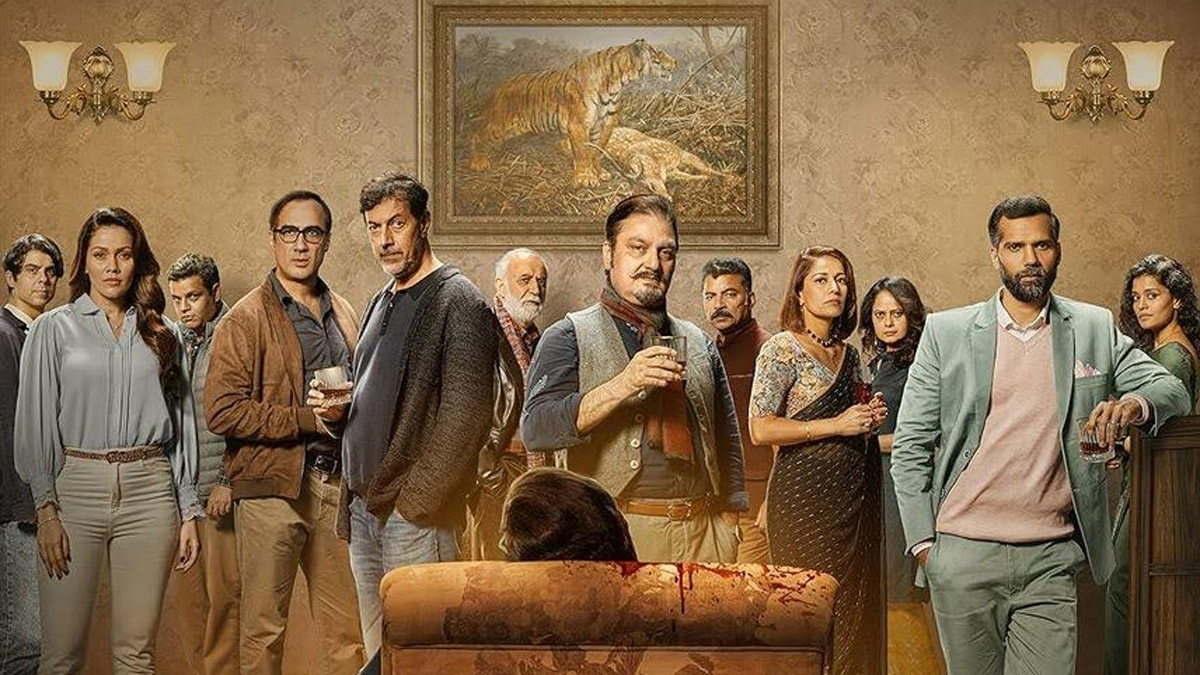
MUMBAI: Zee5 is serving up another killer collaboration and this time, the murder mystery comes with a generous side of dark humour and family dysfunction. The streaming platform has partnered with Applause Entertainment and Mithya Talkies to bring Everybody Loves Sohrab Handa, a fresh, twisted whodunnit written and directed by acclaimed filmmaker and actor Rajat Kapoor. The film will stream exclusively on Hindi Zee5 from 10 April.
The movie reimagines the classic murder mystery genre with a contemporary, darkly comic edge. It revolves around a group of friends and family who smile, drink, and celebrate together until the silence snaps and long-buried secrets spill out. The stellar ensemble cast includes Vinay Pathak, Ranvir Shorey, Waluscha De Sousa, Saurabh Shukla, Chandrachoor Rai, Neil Bhoopalam, Koel Purie, Palomi Ghosh, and Rajat Kapoor himself.
This latest offering continues the successful partnership between Zee5 and Applause Entertainment, which has previously delivered diverse hits such as Mithya, Bloody Brothers, and Jab Khuli Kitaab.
&TV Business Head of hindi Zee5 and chief channel officer Kaveri Das said, “Our collaboration with Applause Entertainment has consistently delivered distinct, high-impact storytelling. Everybody Loves Sohrab Handa is a natural progression, reinforcing our focus on genre-led content with a compelling whodunnit premise and a strong ensemble cast.”
Applause Entertainment business head for movies Sunil Chainani added, “This film adds yet another compelling layer to our slate with Rajat Kapoor’s unmistakable voice.”
Rajat Kapoor shared, “What interested me was not just the mechanics of a whodunnit, but the emotional violence that precedes physical violence. These are people who smile at each other, but there’s so much that is not said.”
The film promises razor-sharp writing, layered performances, and simmering tension, inviting viewers not just to solve the crime but to unravel the complex relationships at its heart.
If you love a good murder mystery served with wit and emotional depth, Everybody Loves Sohrab Handa looks set to be your next addictive watch. Mark your calendars, the whodunnit drops on Hindi Zee5 from 10 April.






