Components
Kamal Haasan hits Las Vegas tech show, NAB

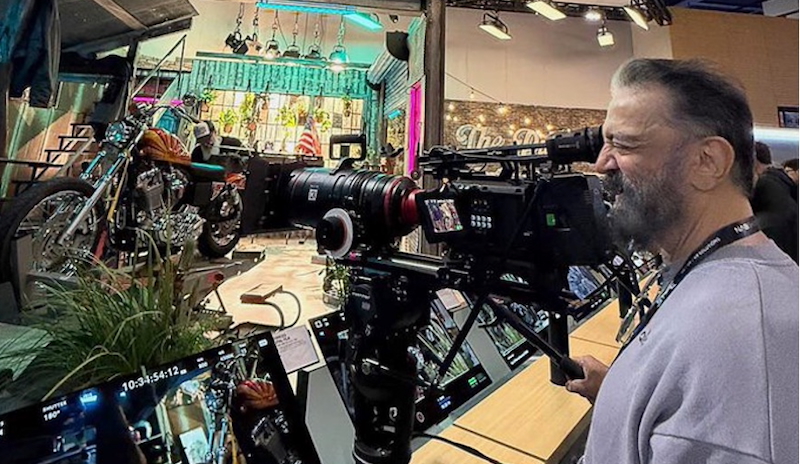
MUMBAI: Actor-producer Kamal Haasan, currently deep in the throes of Thug Life preparations, sent social media into a frenzy today after his production house, Raaj Kamal Films, posted images of the actor exploring the NabShow at the Las Vegas Convention Centre.
Haasan, known for his tech-savvy approach to filmmaking, was spotted perusing the latest film equipment, including cameras, sparking speculation about potential innovations in his upcoming projects. The photos, which quickly went viral, showed the actor immersed in the world of cutting-edge cinematic technology.
The NabShow, a major event for broadcast, media, and entertainment professionals, provided Haasan with a glimpse into the future of filmmaking. Fans and industry insiders alike buzzed with excitement, wondering what new tricks the actor might be adding to his already impressive cinematic arsenal.
Adding to the excitement, Haasan’s highly anticipated film, Thug Life, co-written with Mani Ratnam, is set to hit theatres on 5 June. The film boasts a star-studded ensemble cast, including Silambarasan, Ashok Selvan, Aishwarya Lekshmi, Abhirami, and Nassar.
Haasan is also gearing up for the release of Indian 3, the third installment in Shankar’s acclaimed “Indian” franchise. Looking ahead, the veteran actor is set to embark on his 237th film, collaborating with stunt choreographers Anbariv, known for their work on blockbuster hits like Beast, Leo, KGF, and Salaar.






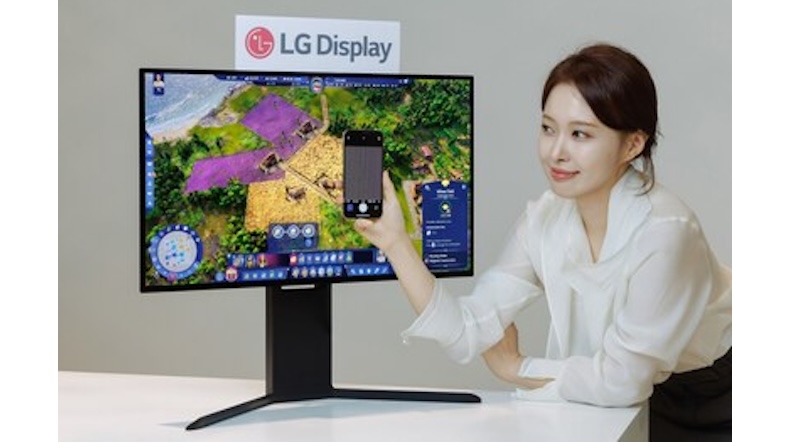
SEOUL: In the eternal battle between gamers demanding lightning-fast refresh rates and professionals craving pixel-perfect clarity, LG Display reckons it has found détente. The South Korean display titan is unveiling the world’s first 27-inch 4K OLED monitor panel that marries an RGB stripe structure with a blistering 240Hz refresh rate—a combination previously thought incompatible, like oil and water or fashion and function.
The breakthrough lies in how the pixels are arranged. RGB stripe structure lines up red, green and blue subpixels in neat rows, banishing the colour bleeding and fringing that plague lesser screens when you park your nose close to the display. It is the difference between reading crisp text and squinting at a rainbow-tinged mess. OLED panels using this method existed before, but they topped out at a sluggish 60Hz—fine for spreadsheets, useless for fragging opponents in first-person shooters.
LG Display’s engineering wizardry changes the game. By cranking the refresh rate to 240Hz whilst maintaining that pristine RGB stripe layout, the company has produced a panel that works equally well for colour-critical design work and twitchy gaming sessions. Better still, the panel incorporates Dynamic Frequency & Resolution technology, letting users toggle between ultra-high-definition at 240Hz and full-HD at a frankly ludicrous 480Hz. That is fast enough to make your eyeballs sweat.
The specs are suitably impressive: 160 pixels per inch for exceptional detail, optimised performance for Windows and font-rendering engines, and colour accuracy that should please the Photoshop brigade. LG Display achieved this by boosting the aperture ratio—the percentage of each pixel that actually emits light—and applying what it coyly describes as “various new technologies.” Translation: years of R&D and probably some sleepless nights.
Existing high-end gaming OLED monitors have relied on RGWB structures (which add a white subpixel) or triangular RGB arrangements. Both work, but neither delivers the sharpness that professionals demand. LG Display’s new stripe pattern is tailored specifically for monitor use, a recognition that staring at a screen from two feet away demands different engineering than watching telly from across the room.
The company is betting big on this technology, targeting the high-end monitor market where it already commands roughly 30 per cent of global OLED panel production. Among gaming OLED panels in mass production, LG Display claims world-leading specs across refresh rate, response time and resolution—a trifecta that sounds like marketing bluster until you check the numbers.
“Technology is the foundation of leadership in the rapidly growing OLED monitor market,” says LG Display head of the large display business unit Lee Hyun-woo. He promises to keep pushing “differentiated technologies compared to competitors”—corporate-speak for staying ahead of Chinese rivals snapping at LG’s heels.
The new panel will debut at CES 2026 in Las Vegas, where LG Display plans to woo customers and expand its lineup. Initial rollout targets high-end gaming and professional monitors, the sweet spot where people actually pay premiums for superior screens rather than settling for whatever came with their laptop.
Whether this technology reshapes the monitor market or remains a niche luxury depends on two things: pricing and production scale. But for now, LG Display has pulled off something rare—a genuine technical leap that solves a real problem. Gamers get their speed, designers get their clarity, and LG gets bragging rights. In the cutthroat world of display tech, that counts as a win.






