Hollywood
James Gunn & Peter Safran to run DC Studios for Warner Bros. Discovery as co-heads

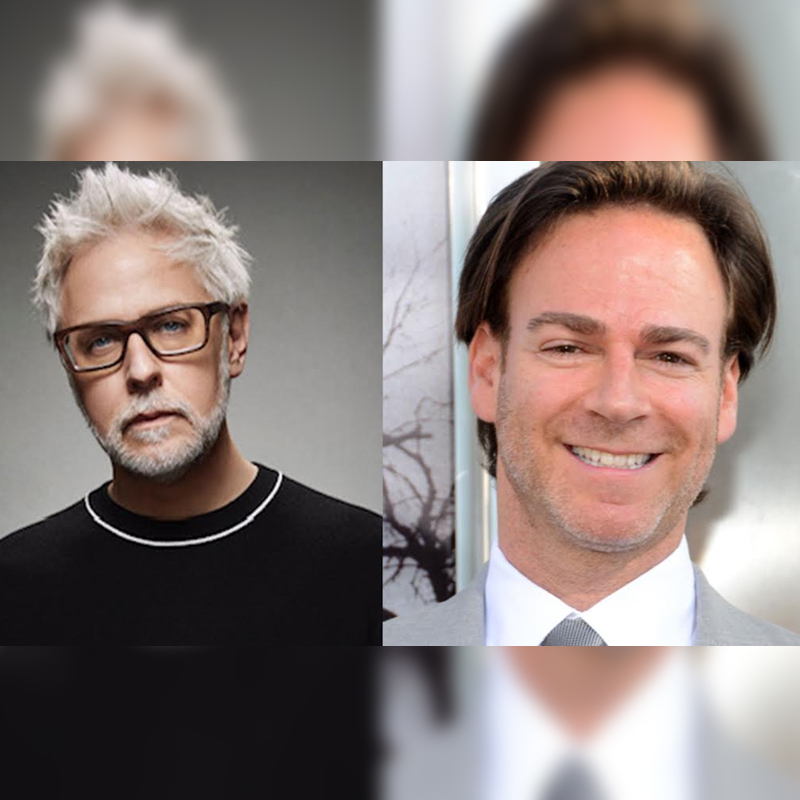
Mumbai: Warner Bros. Discovery has announced that Hollywood industry veterans James Gunn and Peter Safran have been appointed to the new roles of DC Studios co-chairmen and CEOs, overseeing the overall creative direction of the DC Universe across film, TV, and animation under a single banner. Gunn and Safran will report to Warner Bros. Discovery president and CEO David Zaslav. They will work closely with Warner Bros. Film Group co-chairpersons and CEOs Mike De Luca and Pam Abdy. The appointments will be effective on 1 November 2022.
In their new roles, Gunn and Safran will spearhead the development and execution of a long-term plan for the many properties licenced from DC Comics, focused on continuing the tradition of high-quality storytelling for the DC Universe across audio-visual media, while building a sustainable growth business out of the iconic franchise. In addition to their executive responsibilities, Gunn and Safran will develop, direct, and produce projects. In their new roles, they will also work collaboratively with Warner Bros. Television Group chairman Channing Dungey; HBO and HBO Max Content chairman & CEO Casey Bloys; US Networks Group chairman & chief content officer Kathleen Finch; Warner Bros. Discovery Consumer Products president Pam Lifford and Warner Bros. Interactive Entertainment president David Haddad.
Both Gunn and Safran have extensive experience with the superhero genre, having brought some of the Marvel Cinematic Universe and DC Universe’s most popular characters to life in hit films and series that include: Marvel’s blockbuster Guardians of the Galaxy, and DC’s highest grossing movie, Aquaman; Shazam!; The Suicide Squad; and the HBO Max original, live-action series Peacemaker.

Zaslav commented, “DC has among the most entertaining, powerful, and iconic characters in the world, and I am thrilled to have the singular and complementary talents of James and Peter joining our world-class team and overseeing the creative direction of the storied DC Universe. Their decades of experience in filmmaking, close ties to the creative community, and proven track record of thrilling superhero fans around the globe make them uniquely qualified to develop a long-term strategy across film, TV, and animation, and take this iconic franchise to the next level of creative storytelling.”
Gunn and Safran commented, “We’re honoured to be the stewards of these DC characters we’ve loved since we were children. We look forward to collaborating with the most talented writers, directors, and actors in the world to create an integrated, multilayered universe that still allows for the individual expression of the artists involved. Our commitment to Superman, Batman, Wonder Woman, Aquaman, Harley Quinn, and the rest of the DC stable of characters is only equaled by our commitment to the wonder of human possibility these characters represent. We’re excited to invigorate the theatrical experience around the world as we tell some of the biggest, most beautiful, and grandest stories ever told. We’re especially enthusiastic about doing all of this with Mike, Pam, Casey, Channing, and the whole Warner Bros. Discovery team, and are grateful to David Zaslav, whose bold vision for the future of the franchise we share and which allows for this once-in-a-lifetime opportunity. Most of all, we can’t wait to bring you all into the story of the DCU.”
De Luca and Abdy said, “We could not be more excited to have James Gunn and Peter Safran join the team and assume the leadership of the DC Universe. James is a brilliant filmmaker and storyteller and Peter is a tremendously successful and prolific producer and to have them both committing to work together to forge this new era for DC is a literal dream come true. We all share a very similar sensibility and passion for this universe, and the stars couldn’t have aligned any better. We can’t wait to get started, dig in, and collaborate with these unmatched creative minds.”
Throughout his decades-long career, writer/director/producer James Gunn has been responsible for films and series, including: Warner Bros. live-action movies, Scooby-Doo and Scooby-Doo 2; a remake of George A. Romero’s Dawn of the Dead; the horror comedy Slither; the dark superhero comedy Super; the hugely successful Marvel films Guardians of the Galaxy and Guardians of the Galaxy Vol. 2; DC’s The Suicide Squad; and the spin-off series for HBO Max, Peacemaker. With the release of The Suicide Squad in 2021, Gunn became the first filmmaker to direct a movie for both the Marvel Cinematic Universe and the DC Universe.
Peter Safran has produced films for Warner Bros., New Line Cinema, and other film studios, including: DC’s highest grossing movie, Aquaman and its upcoming sequel, Aquaman and the Lost Kingdom; Shazam and its upcoming sequel, Shazam: Fury of the Gods; The Suicide Squad; Annabelle; and the entire Conjuring universe, the most successful horror franchise of all time at $2B+ in worldwide box office and counting. Safran’s production company, The Safran Company, recently re-upped its long-term production deal with Warner Bros. Discovery and has four theatrical releases scheduled for 2023, including The Nun 2, which is the sequel to the highest grossing title in the Conjuring universe, The Nun. Prior to forming his own company, Safran was Brillstein-Grey Management’s president, which represented some of the biggest names in Hollywood.





Hollywood
Paramount Skydance secures financing for Warner Bros Discovery deal
Debt syndication and new loans push $111 billion merger closer to close
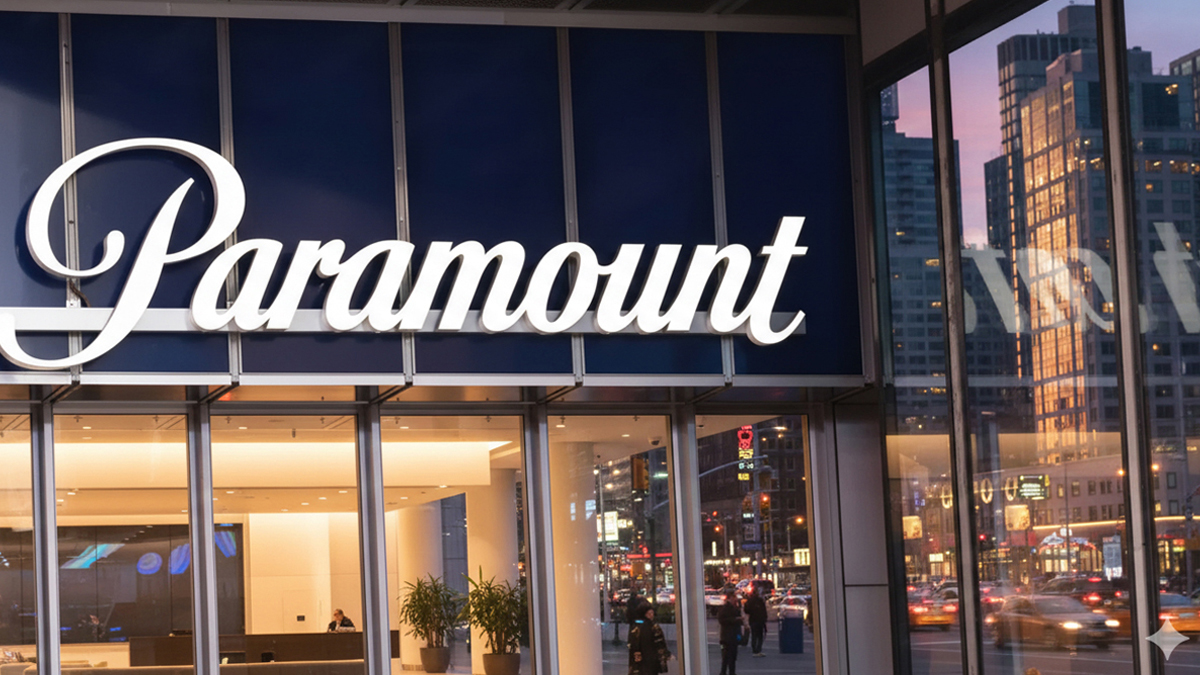
WASHINGTON: Paramount Skydance has taken a major step towards its planned acquisition of Warner Bros Discovery, securing fresh financing and completing the syndication of its bridge loan facility.
In a filing with the Securities and Exchange Commission, the company confirmed that the bridge facility has now been distributed among a group of 18 banks, reducing total commitments to $49 billion from an earlier $54 billion. The move spreads risk across lenders and signals growing confidence in one of the year’s largest media deals.
Alongside this, the company has finalised permanent financing arrangements, including $5 billion in senior term loans and a $5 billion revolving credit facility. A previously planned $3.5 billion credit line has been dropped as part of the restructuring.
The loans are secured against key assets, including Paramount Global, Skydance Media and Warner Bros post-merger, underlining the scale and complexity of the transaction.
The financing push follows a competitive bidding process earlier this year, which saw interest from players such as Netflix before Paramount Skydance emerged as the frontrunner. The deal, valued at $111 billion, is expected to close in the third quarter, subject to regulatory approvals.
Adding to the momentum, the company has also secured significant equity backing, including investments from Middle Eastern funds, with support from billionaire Larry Ellison, who has guaranteed the equity portion of the transaction.
Commenting on the development, Paramount Skydance chief strategy officer Andy Gordon said, “Our successful debt syndication and new debt facilities represent another important milestone towards the completion of our acquisition of Warner Bros Discovery.”
Once completed, the combined entity is expected to carry net debt of just under $80 billion, reflecting the sheer scale of the merger.
As Hollywood continues to consolidate in the streaming era, this deal could reshape the competitive landscape, with Paramount Skydance betting big on scale, content and financial muscle to take on global rivals.







