I&B Ministry
Jaipal Reddy expected to plunge into work from the start

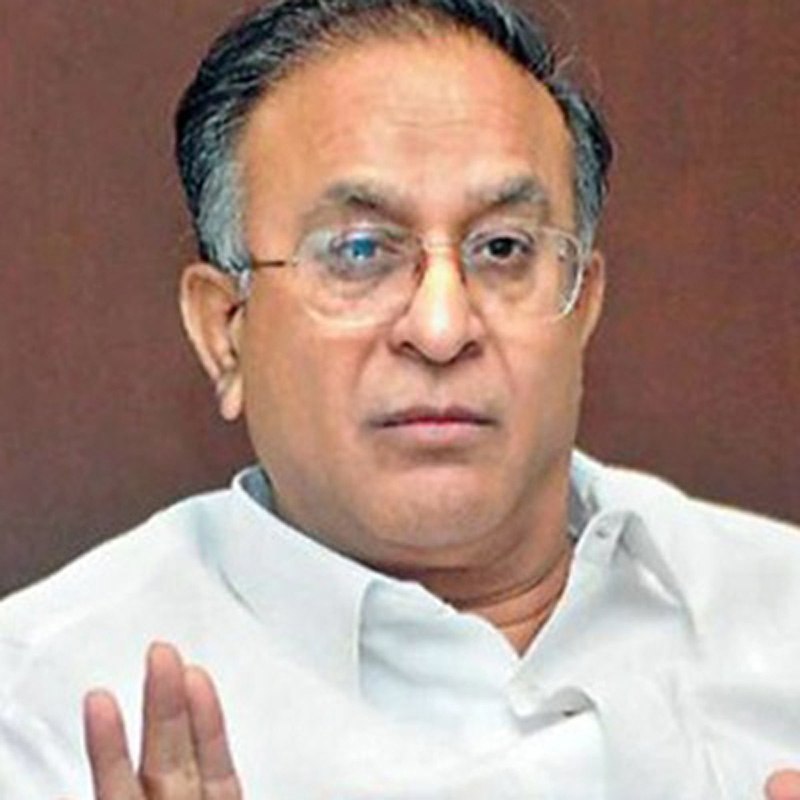
NEW DELHI: After a lot of bickering within the Congress party and its allies, the information and broadcasting ministry portfolio finally went to someone who really deserved it, despite his seniority — Jaipal Reddy. He will also have additional charge of culture.
Reddy, an articulate and erudite politician, has been the I&B minister during the short stint that the United Front government had at the Centre in Delhi in the late 1990s. The announcement of was made late on Sunday.
A 45-minute-long meeting that was held at the Prime Minister’s Office (PMO) in South Block last evening was attended by the cabinet ministers even as the announcement about their portfolios got delayed apparently due to differences among some of the allies with regard to a few specific ministries.

Reddy, who is regarded in the I&B ministry and government circles as an intelligent and level headed politician, is expected to take charge today and dive straight into some of the pressing issues within the jurisdiction of the ministry like the second phase of FM radio privatization, conditional access system and DTH licences that may have to be issued to prospective players, which includes the Tatas-Star combine.
(Indiantelevision.com learns from government sources that the letter of intent for the Tatas-Star combine for a DTH service is ready and is awaiting a formal nod from the new I&B minister.)
Incidentally, Reddy is the I&B minister under whose regime the United Front government in 1997 issued an Ordinance banning and keeping of any instrument capable of receiving TV signals over 4,800 MHz, the signal strength generally in which KU-band direct-to-home (DTH) TV services are beamed.
But, Reddy is also credited with having piloted in Parliament the broadcast bill, envisaging a regulatory framework for the broadcast and cable industry for the first time, and having put in place a legislation that has paved the way for Prasar Bharati in its current status of an autonomous organization managing the affairs of Doordarshan and All India Radio.
Announcing the formation of Prasar Bharati as an autonomous organization, Reddy had then said in the late 1990s that Prasar Bharati was modeled on the British Broadcasting Corporation. Though his dream of seeing Prasar Bharati as another BBC may not have been fulfilled fully, Reddy has got another chance to really free India’s pubcaster from the financial and other bondage that keeps its bonded to the government of the day.
This government also witnesses a fairly good representation from the media and entertainment industry. There is IT and telecom minister Dayanidhi Maran, son of late Murosali Maran and a scion of the family that controls the Sun TV group as also the Sumangli group of publications. Along with I&B minister Reddy, Maran may play a big role in shaping the future of India’s IT, telecom and broadcast industries. Though, a full convergence is ruled out immediately.
Then there is film star Sunil Dutt Union minister for youth affairs and sports and South Indian producer-director Dasari Narayan Rao who is minister of state for coal and mines. The latter is more known for the family dramas in Hindi and South Indian languages of the 1970s and early 1980s.
Meanwhile, a draft of the common minimum programme of the present coalition government that indiantelevision.com happened to see was silent on the media sector, though there were some passing reference to the IT industry and the need to give a fillip to it.




I&B Ministry
India tightens anti-piracy law, blocks sites and Telegram channels
New rules bring jail terms, fines and faster takedowns of illegal content
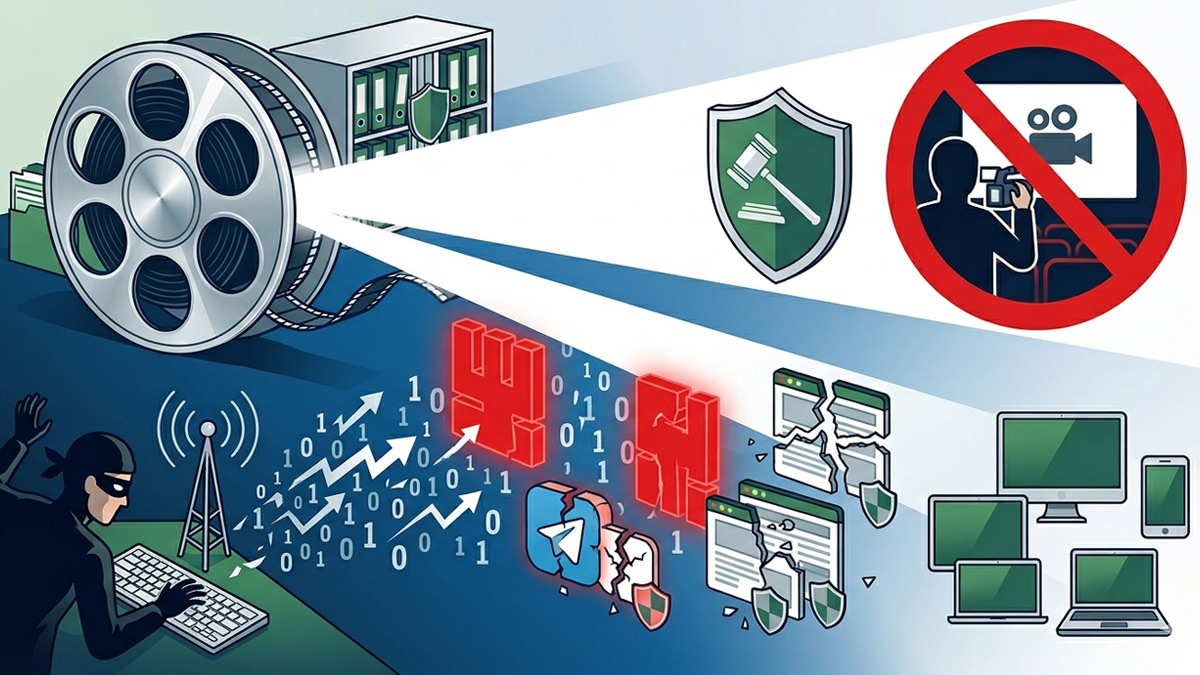
NEW DELHI: The Government of India has stepped up its fight against film piracy, invoking stricter provisions under the Cinematograph Amendment Act 2023 to crack down on unauthorised recording and distribution.
The law now imposes tougher penalties, including jail terms ranging from three months to three years and fines starting at Rs. 3 lakh, which can go up to 5 per cent of a film’s production cost. The provisions target both illegal recording in cinemas and unauthorised online transmission.
In a fresh enforcement push, authorities have notified the Telegram platform to act against piracy, leading to the identification of 3,142 channels allegedly distributing copyrighted content without permission. In parallel, access to around 800 piracy websites has been blocked through internet service providers.
The action has been taken under the Information Technology Act 2000, which empowers the government to direct intermediaries to remove unlawful content. The framework is further reinforced by the Information Technology Rules 2021, requiring platforms to act swiftly when notified of violations.
An institutional mechanism is also in place, allowing copyright holders and authorised representatives to file complaints through designated nodal officers. Once verified, these complaints trigger takedown notices to intermediaries for disabling access to infringing content.
The update was shared in Parliament by Government of India minister of state information and broadcasting l murugan in response to a query from Parimal Nathwani.
The government’s latest move signals a sharper, more coordinated approach to tackling piracy across both physical and digital channels. For the film industry, it is a step towards protecting revenues, while for viewers, it reinforces the shift towards legitimate content consumption.








