News Broadcasting
Investment takes centre stage at India Economic Conclave 2025

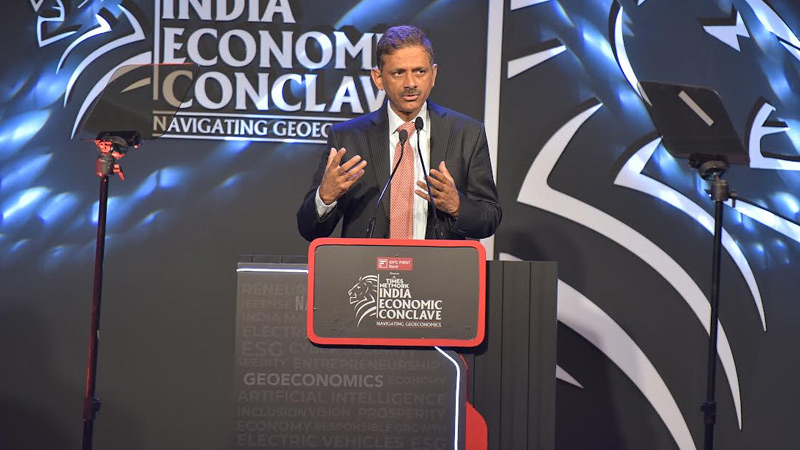
NEW DELHI: If India’s growth story were a road trip, the message from Times Network’s 11th India Economic Conclave was clear: the engine is humming, the highways are wider, and confidence is firmly in the driver’s seat.
Held under the theme navigating geoeconomics, the two day conclave brought together top voices from banking, industry and government to unpack how India is turning investment into momentum, even as the global economy grows more uncertain.
Setting the tone, IDFC First Bank MD and CEO V Vaidyanathan, painted a picture of a financial system in robust health. The banking sector, he said, now boasts a net worth of nearly Rs 30 lakh crore, supporting a loan book approaching Rs 180 lakh crore. For the first time, India is enjoying the rare pairing of low inflation and high growth, a combination that makes raising capital faster and cheaper.

Vaidyanathan highlighted four forces reshaping finance today: a strong banking backbone, a stable macro environment, solid market institutions and rapidly expanding digital infrastructure. The numbers told their own story. Despite shocks such as demonetisation and the pandemic, deposits have grown to about Rs 240 lakh crore, mutual funds have swelled to Rs 66 lakh crore, and the sector has nearly tripled in size over a decade. Together, he said, this homegrown capital pool is powering everything from highways to digital public platforms.
The conversation then shifted gears to mobility. In a fireside chat, Hyundai Motor India whole time director and COO Tarun Garg, reflected on the company’s 30 year journey in the country. From the tall boy Santro designed with saree clad passengers in mind to the Creta that helped turn India from a small car market into an aspirational one, Garg underlined the value of local thinking backed by global technology.
Hyundai’s story, he said, is also one of nation building. Manufacturing plants in Chennai, R and D centres in Hyderabad and Pune, and a vast dealer and vendor network have helped put India on wheels while creating jobs and skills. The recent IPO, Garg noted, felt like a fitting milestone, cementing Hyundai’s place as a truly Indian mobility brand.
From roads to reforms, Uttar Pradesh’s transformation took centre stage next. Invest UP CEO Vijay Kiran Anand, described how sustained infrastructure spending, industrial corridors and policy clean up have pushed the state into the investment spotlight. Now a revenue surplus state and India’s second largest economy, Uttar Pradesh has set its sights on becoming a one trillion dollar economy in the medium term and six trillion dollars in the long run.
Manufacturing, once sluggish, is surging. Factory registrations have jumped from about 500 a year a decade ago to 4,000 last year, with a target of 8,000 this year. Electronics has emerged as a standout, with the state accounting for over half of India’s smartphone production. Seven expressways are already operational, six more are on the way, and defence corridors have drawn over 60 companies, strengthening domestic manufacturing.
As IEC 2025 wrapped up, one theme echoed through every session. India’s growth is no longer just about ambition. It is about execution, collaboration and capital finding its way into concrete, cars, code and corridors. For a country navigating choppy global waters, the conclave offered a reassuring takeaway. The direction is clear, and the journey has only just begun.
IEC 2025 was presented by IDFC First Bank, with strategic support from Amrita Vishwa Vidyapeetham, World Gold Council, Radico, Axis Max Life Insurance, Adani, the Government of Uttar Pradesh and NBCC.






News Broadcasting
News18 India launches Command Centre war explainer with Arya
New show shifts from debates to decoding global conflicts and impacts
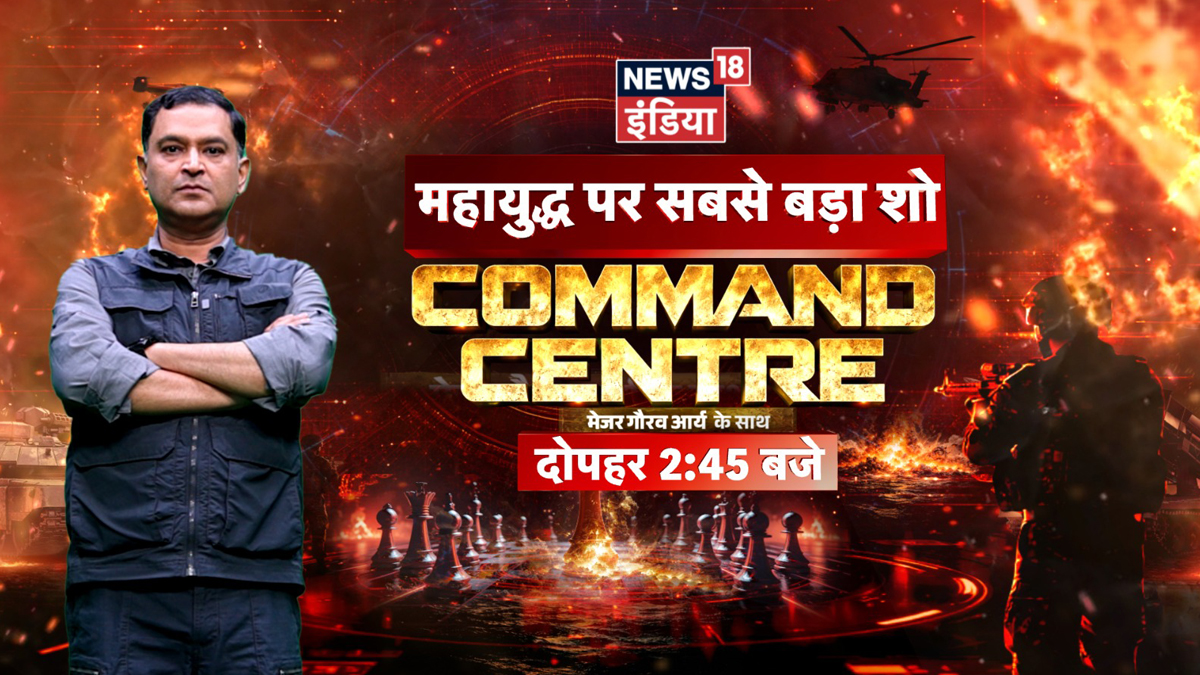
MUMBAI: News18 India has rolled out a new war-focused programme, Command Centre, featuring Gaurav Arya, as it looks to offer viewers a sharper, more grounded take on global conflicts amid rising tensions in West Asia.
Positioned as an “insider war room”, the show moves away from conventional panel debates and instead focuses on explaining military developments, decoding strategy and connecting global events to their everyday impact, from fuel prices to economic shifts.
The format leans heavily on visuals and data. The studio has been designed like a command hub, complete with large LED war maps, real-time graphics and an alert system to track developments as they unfold.
At the centre of it all is Arya, who brings his military background to simplify complex war strategies for viewers. His signature line, “Seedhi baat samjhiye”, anchors the show’s promise of clarity over noise.
News18 India managing editor Jyoti Kamal said, “Command Centre, featuring Major Gaurav Arya is designed to deliver accurate insights and a clear perspective on how evolving conflicts impact everyday life, from household budgets to national security. With expert voices analysing every development in real time, the show goes beyond headlines to decode what’s happening now, what it means, and what could come next.”
Echoing the intent, Gaurav Arya added, “In times of war, confusion is the biggest threat. With News18 India’s Command Centre, we are bringing viewers inside the war room, decoding strategies, tracking every escalation, and explaining, in the simplest terms, what it means for India and for every household. Seedhi baat samjhiye, this is where you understand not just what is happening, but what happens next.”
The weekday show will air in the afternoon slot and will also feature Gaurav Shukla, adding to its editorial depth.
With its mix of analysis, visuals and a clear focus on impact, the show reflects a broader shift in news consumption. Viewers are no longer just watching events unfold, they are looking to understand what those events mean for them.






