Event Coverage
Introducing digital measurement is more a political hurdle, than technical

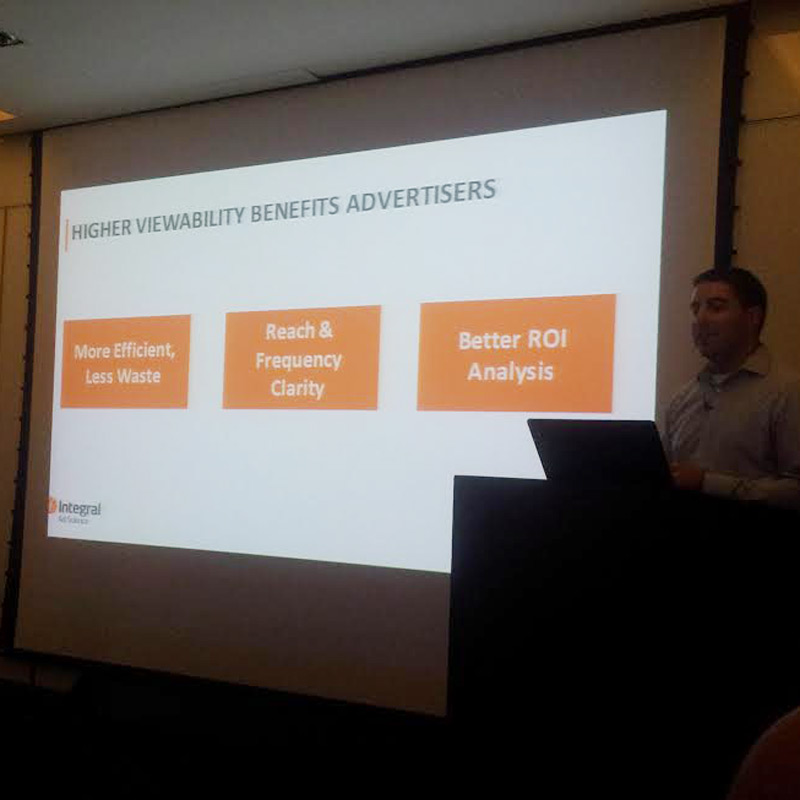
NEW DELHI: Who is afraid of the yardstick, and an authentic one? The digital media has been a victim of many a misnomers. “Easily measurable” media, for example. The assumption stems from advertisers taking their campaigns’ ‘views’ or social media numbers at face value, and not questioning agencies on the effectiveness of paid or inorganic reach gained through proxies or hoax accounts.
This fundamental lack of understanding or ignorance of duping digital figures comes in the way of measuring effective digital media consumption — an issue that the four-person panel gathered at Broadcast Audience Research Council (BARC) India’s session at Zee MELT were keen to address.
The panelists were — Integral Ad Science product management VP Brian Murphy, comScore strategic partnerships SVP Paul Goode, Moat APAC director Guy Barbier, and BARC India CEO Partho Dasgupta.

To put the panel discussion in context, BARC India is on an ambitious mission to roll out digital ratings in the country based on viewability in a few months. The aim is to measure unduplicated audiences across all devices and platforms together through a neutral third-party monitor. If that were achieved, BARC India will become the first rating agency to provide a TV+ digital viewership measurement service across the globe.
Introducing a standard digital measurability in India was a high mountain hall, thankfully, the country could fast-forward the progress by learning from other mature markets such as the US, and Europe, Murphy suggested.
“The first lesson learned is to accept that third-party javascript is not commonplace with publishers. There are both, policy and technological limitations,” he said. Secondly, Murphy observed, the stakeholders needed to be open about what could and could not be measured.
The measurability standards need to be based on a realistic picture, after all.
The panel also raised concerns that are perhaps unique to emerging markets such as India. From an advertiser’s perspective, a lot of the current digital traffic can be dismissed as invalid (due to duplication or its irrelevance to the brand). Given the fact that India is still at a nascent stage when it comes to digital marketing, will it deter advertisers from investing into the medium? Or else, advertisers can continue to rely on their existing media options that have been fruitful, and avoid the digital medium.
While India has a relatively cleaner slate, it has already set out on the digital transformation path, however smaller it may be. Thus, there was no turning back for brands, Murphy noted. The real challenge would be to bring brands and publishers to come to terms if the standard measurement data, when rolled out, was below their expectations. “Coming to terms with the fact that you weren’t really getting the numbers you thought you were, is the real challenge,” Goode pointed out.
The uneven brands-platforms power ratio was discussed as well, keeping in mind the growing digital ecosystem in India. “Those with the advertisement dollars will always have an upper hand. Its true for any market,” said Barbier, adding a global perspective. Traditional TV advertisers in India too are known to flex their muscle when it comes to getting their money’s worth. Advertisers buying spots during cricket matches sometimes refuse to pay the full worth of a spot if a part of the advertisement was cut out due to live coverage limitations, the panel cited.
When it comes to programmatic media management, the assumption that the digital inventory is endless has been a hindrance to bringing in the advertisement dollars for premium inventory.
Advertisement blocking was the elephant in the room that the panel dared to address. The panel established the fact that irresponsibly placing advertisement that causes the viewer inconvenience doesn’t serve anyone, be it the publisher or the advertiser. A huge advertisement that dominates the entire screen may not be able to provide an advertiser the desired viewability. On the contrary, it may put off the viewer from the publisher’s content. Success metrics can be driven by content and context, instead of blindly maximizing visibility of a campaign.
Queuing back to introduction of digital measurement in a new market, the moderator raises the question: on which factors does the success of a digital measurement system depend? Threatened by the disruption that digital measurement may bring into their businesses, several publishers are bound to resist the introduction of a new digital currency, afraid that it will devalue their inventories.
Broadcasters too are concerned that their metrics may not be able to keep up with that of digital, if both the mediums were to be judged on the basis of viewability numbers.
Therefore, even after establishing the technological backbone for the measurement system, it cannot take off. This was seen in the case of Spain. Thus, establishing a digital measurement standard is a bigger political challenge than technological.
When it comes to India, Dasgupta is optimistic that the level of resistance will not hinder the progress of the initiative in the market. “When it comes to videos, our confidence in the system comes from the number of major broadcasting partners that have signed up for this system. Moreover, the biggest push is coming from big brands and the Levers of the world who want an apple to apple comparison between television and digital videos,” Dasgupta concluded on an optimistic note.





Event Coverage
Anime India announces Amazon MX Player as co-presenting partner for Anime India Kolkata 2026
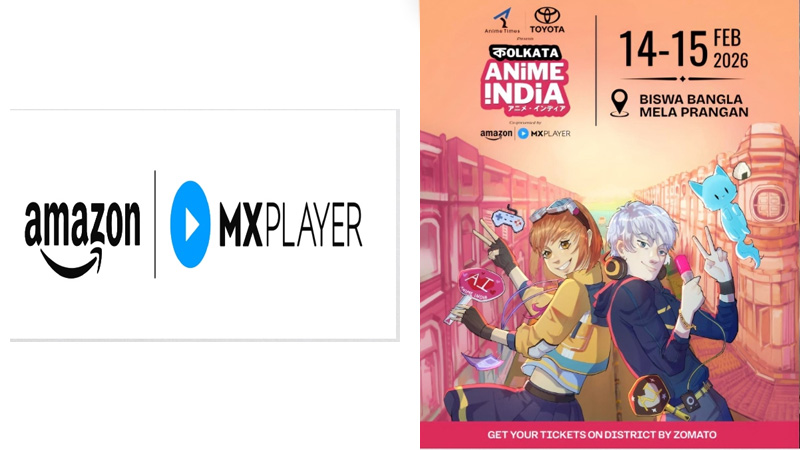
MUMBAI: Riding high on the success of its blockbuster Mumbai debut, Anime India is accelerating its nationwide expansion with the announcement of Amazon MX Player as the co-presenting partner for Anime India Kolkata. The partnership marks a significant step forward in the festival’s mission to deliver large-scale, accessible, and fan-first anime experiences across the country.
Scheduled for 14 and 15 February 2026 at the iconic Biswa Bangla Mela Prangan, Anime India Kolkata will launch the first regional chapter of what is set to be a year-long, multi-city tour. As the curtain-raiser for the 2026 circuit, the Kolkata edition aims to fuse the energy of global Japanese pop culture with India’s fast-growing community of anime, manga, and pop-culture fans.
A household name in digital entertainment, Amazon MX Player brings unmatched reach and cultural relevance to the Anime India platform. With its expanding focus on anime and youth-driven content, Amazon MX Player’s involvement as co-presenting partner reinforces Anime India’s vision of making anime culture more inclusive breaking barriers of language, geography, and accessibility to connect with fans nationwide.
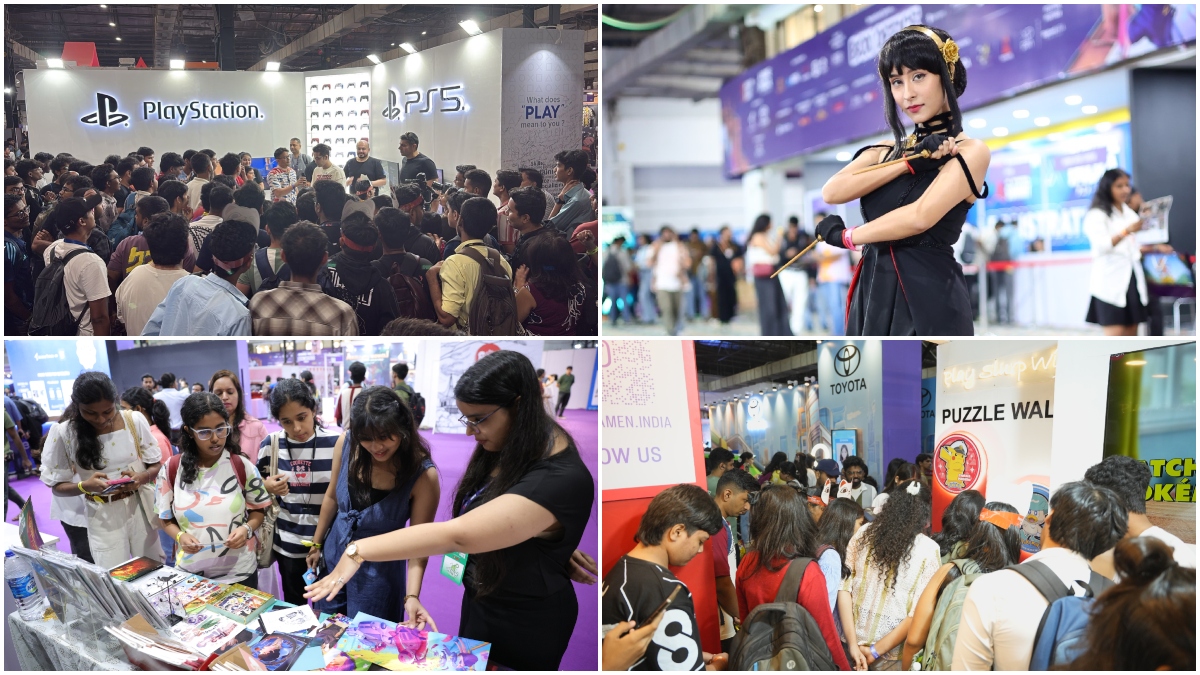
Anime India Kolkata 2026 will showcase cosplay competitions, interactive zones led by the Indian Gunpla Community, India-39 Vocaloid Community, The Japan Curry, and Adda-o-Otaku by The Otaku Guild. Fans can join tournaments across fighting games, Pokémon VGC, and more. Acclaimed Japanese director Susumu Mitsunaka (Haikyu!!) will attend as guest of honour, appearing in panels and live sessions. Positioned as an immersive celebration of fan culture and industry collaboration, the Kolkata edition marks the beginning of Anime India’s nationwide expansion.
Sharing their perspective on the partnership, Amazon MX Player director Aruna Daryanani expressed, “Anime in India has evolved from a niche interest into a mainstream cultural movement, driven by an increasingly engaged and passionate fanbase. At Amazon MX Player, our focus is on expanding access by bringing anime to audiences across the country for free and in multiple local languages. Our association with Anime India reflects our commitment to supporting the growth of anime in India and deepening connections with fans, while continuing to build Amazon MX Player as a trusted destination for free, high-quality entertainment.”
“Anime India Kolkata is a celebration of how anime has grown beyond entertainment into a powerful cultural and creative force. By bringing fans, creators, and industry leaders onto one shared platform, the festival is helping define the future of pop culture in India,” said Anime India co-founder and director Neha Mehta.
The debut edition of Anime India 2025 in Mumbai attracted over 29,000 fans, quickly cementing its status as a landmark celebration of anime and Japanese pop culture. Riding on this overwhelming response, the Kolkata chapter is projected to draw more than 40,000 visitors across two days, positioning it as one of the biggest anime conventions ever held in eastern India.
Anime India is focused on bringing together fans from across the country to create a truly pan-India celebration of anime, manga, cosplay, gaming, and Japanese culture. With plans to expand into four key metropolitan hubs in 2026—east (Kolkata), north (Delhi), west (Mumbai), and south (Hyderabad)—the festival seeks to deliver globally benchmarked experiences while supporting and uplifting creators, artists, and fan communities throughout India.






