News Broadcasting
Internet should not become the monopoly of few, IT minister tells Rajya Sabha

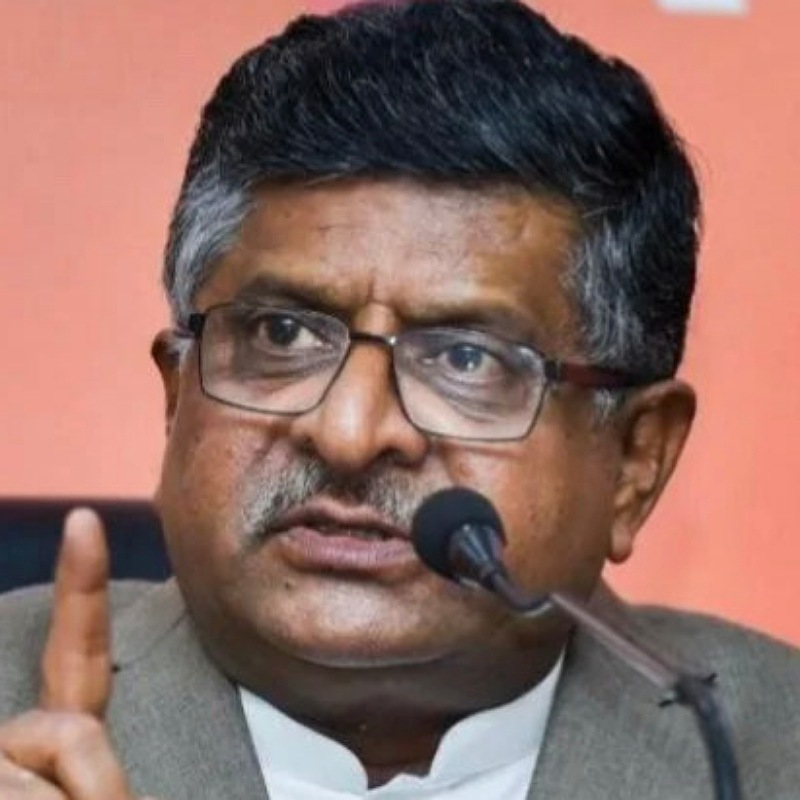
New Delhi: Days after the government passed sweeping regulations for social media platforms, union information technology minister Ravi Shankar Prasad told the Rajya Sabha on Thursday that any attempt to create ‘imperialism of the internet' by a few companies would not be tolerated.
Prasad was speaking during the question hour on the issue of the ban imposed on certain Twitter accounts. The NDA-led Centre was locked in a tussle with the social media giant over removal of certain accounts related to the ongoing farmers’ protests. Reiterating his earlier statements made in the Parliament, Prasad said the government welcomes dissent, but cannot allow misuse or abuse of social media.
Responding to a question raised by Congress legislator G C Chandrashekhar on the issue of arrest of climate activist Disha Ravi in the 'toolkit' document case, Prasad said India is proud to have nearly 140 crore social media users. LinkedIn, WhatsApp, Twitter, Facebook have empowered ordinary Indians and they are free to do business in India, he maintained.

"The government welcomes dissent. The issue is not of the use of social media, the issue is of abuse and misuse of social media. The Internet is a powerful invention of the human mind, but it should not become the monopoly of a few. We have taken a position, any attempt to create imperialism of the internet by few companies is not acceptable”, said the union minister, who had also told the Parliament on Wednesday that the IT ministry had no proposal to set up a regulator for social media.
The Centre has recently notified Information Technology (Intermediaries Guidelines and Digital Media Ethics Code) Rules, 2021 which apply to Facebook, Twitter, Google, and others. The guidelines enable the setting up of grievance redressal mechanisms and make these platforms more pliable in assisting government agencies in the investigation as well as taking down unlawful or fake content. The guidelines also make it mandatory for these platforms to identify the originator of a message that authorities consider to be anti-national and against the security and sovereignty of the country.
According to several experts, the laws though ‘well-intended’ could undermine the principles of open and accessible Internet and violate the right to privacy and free speech of users, particularly in the absence of robust data protection law.






News Broadcasting
CNN-News18 to host Fury in the Gulf conclave on West Asia crisis
Three-hour summit to unpack geopolitical fallout and impact on India
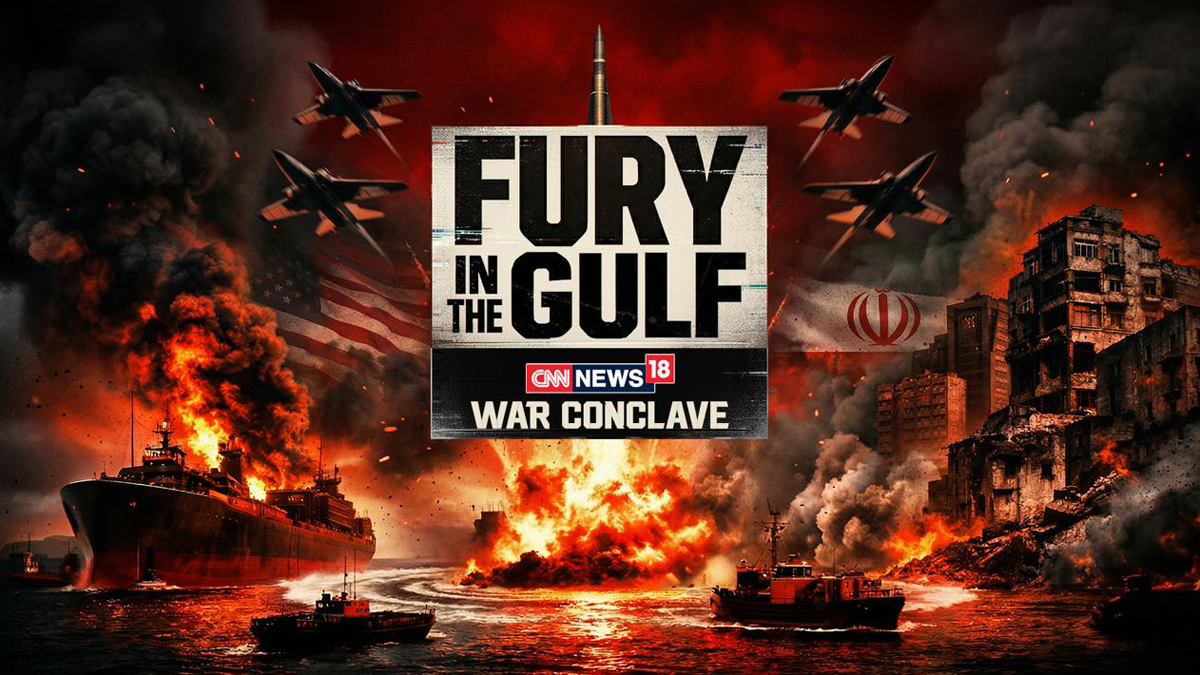
MUMBAI: CNN-News18 is set to host a special three-hour broadcast, Fury in the Gulf – War Conclave, on April 7, aiming to decode the escalating West Asia crisis and its far-reaching implications for India.
Scheduled from 4:00 PM to 7:00 PM, the conclave comes at a time when tensions between Iran and the United States are reshaping global geopolitics and triggering economic uncertainty. With India’s deep energy ties, trade links and large diaspora in the Gulf, the developments carry significant domestic relevance.
Built around the theme ‘Conflict, Consequences, and The Future,’ the programme will feature six curated sessions combining one-on-one interviews and panel discussions. The focus is to cut through the clutter and offer viewers a clearer understanding of the fast-evolving situation.
Key sessions include ‘Diplomacy in Times of War’ featuring Shashi Tharoor, and ‘World After the Iran Conflict’ with voices such as Ram Madhav, Reuven Azar, representatives from the European Union and the Iranian Deputy Envoy. Another session titled ‘Another Dunkirk?’ will bring together K. J. S. Dhillon and Jitin Prasada among others.
CNN-News18 editorial affairs director Rahul Shivshankar said, “In times of war, clarity becomes the most powerful tool. Fury in the Gulf – War Conclave brings together credible voices to address the questions and confusion that arise amid an overwhelming influx of information.”
He added that the initiative is aimed at delivering “facts, perspective, and insight” at a time when misinformation can easily cloud public understanding.
Echoing the sentiment, CNN-News18 CEO– English and business news Smriti Mehra said the conflict marks a defining global moment, with consequences that extend well beyond the region. She noted that the conclave seeks to present the crisis with “depth, nuance and responsibility” so audiences can better grasp its real-world impact.
As geopolitical tensions continue to dominate headlines, the conclave positions itself as an attempt to bring order to the noise, offering viewers a structured, insight-led look at a complex and rapidly shifting global situation.






