iWorld
Inside ZEE5’s strategy to scale its upcoming UGC section

MUMBAI: In its quest to become an entertainment super app, ZEE5 is soon getting into user-generated content platform Hypershots. ZEE5 India expansion projects business head and product head Rajneel Kumar seems confident about the new user-generated content (UGC) venture with the expectation that it will start to spike soon.
“Over the last year we have been focused on moving away from two primary types of content, catch-up TV content and original programming, to get into different types of content use cases that we create for users,” Kumar said in a virtual roundtable hosted by Indaintelevision.com. He added that it got into the music video, live TV, news bouquet sections including channels outside the Zee network.
He mentioned that it launched a gaming platform Play, which saw good traction initially. It has experienced upto six sessions per day per user each of eight mintues and which cemented the decision to build UGC as another use case on the platform.

Kumar said that they had to approach tech stack and product stack very differently for UGC. He added that while consumers want an immersive experience of OTT content that happens on landscape mode whereas they have to look at a portrait mode for UGC coupled with a full-screen experience. To tackle UGC content, it went on even changing the kind of streams that it uses i.e., moving away from the traditional HLS with DRM etc., to moving on to mp4 and more importantly being able to optimise that.
Asked about the progress, Kumar answered that it is at the beta stage of testing for the UGC platform. He added that ZEE5 is trying to integrate it into the core application but carefully by taking into account performance on all device types.
“For us, user experience suddenly has a new complexity. We are putting a mid-budget movie next to a creator from anywhere and for the user either of the content can be important or one might be more important than another. That’s why we are working on hyper-personalisation. At the very core of it, the more personal we make the platform, the better we will be able to alert the content for consumer and that cuts across UGC, catch-up, original and every other segment,” he added.
During lockdown many users started discovering more original content. Hence, the platform has seen a spike in its subscription. It has seen a significant spike on its news content as well during this period. Kumar said that they put the high effort for personalising recommendation around news to make sure that it is localised.
“When you are going from eight million to 100 million DAUs, of course, there is a completely new paradigm we will be dealing with. All of the systems will be tested because the concurrency of users coming on the platform also suddenly changes. Every single layer needs to scale up. The good part is companies like us have always been cloud-native and we are working with scalable companies. Also, core technology providers like AWS, Google have also moved to a serverless deployment where you don’t need to really linearly scale one after other, you could have multiple instances ready at the same time. The ecosytem is coming together to support,” Kumar said.
However, he mentioned that it would be an interesting challenge to see how they differentiate the UGC section from existing ones by offering various propositions to bring more users to the platform.






iWorld
X’s global marketing head Angela Zepeda steps down
Former Hyundai CMO steps down from Elon Musk’s platform
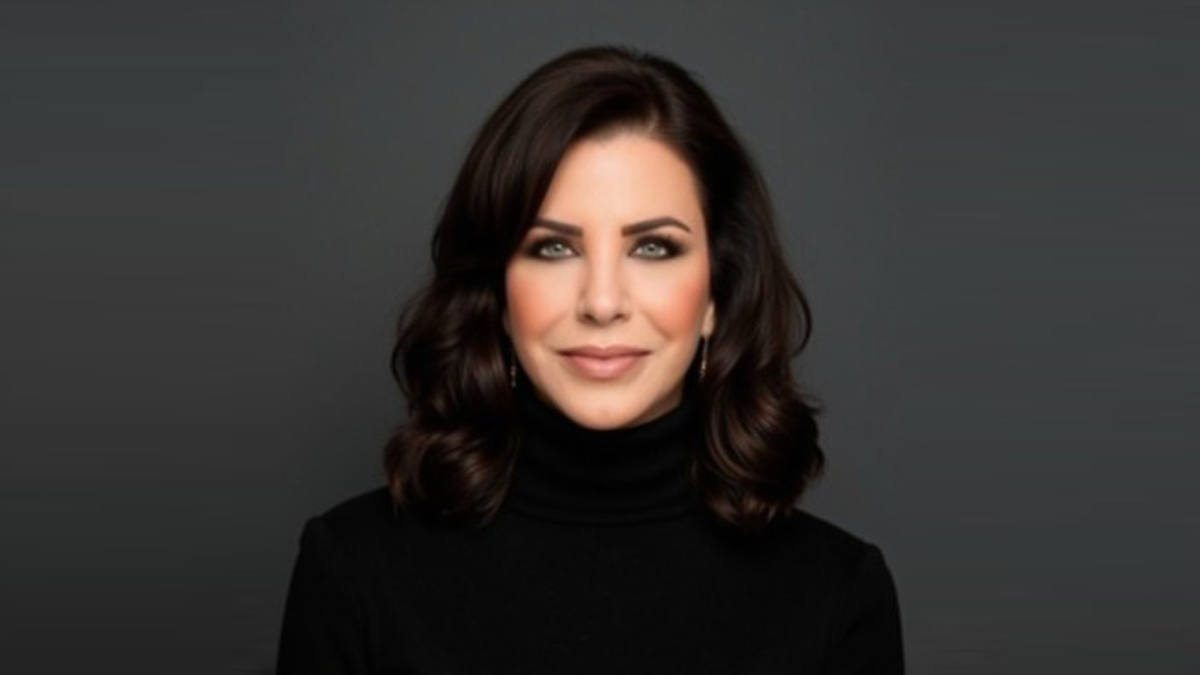
LOS ANGELES: Angela Zepeda has stepped down as head of global marketing at X, bringing her 18-month stint at the social media platform to a close.
The development, which was not formally announced by the company, has surfaced through updates to Zepeda’s LinkedIn profile, indicating that she exited the role in February 2026. Her departure comes at a time when X continues to evolve its brand identity and advertiser relationships following its high-profile rebranding.
Zepeda joined X in September 2024, tasked with shaping global marketing strategy and strengthening the platform’s appeal to brands. Her tenure coincided with a period of transition, as the company worked to redefine its positioning in a competitive and often turbulent social media landscape.
Prior to her role at X, Zepeda held senior leadership positions at Hyundai Motor America, where she served as chief marketing officer for nearly five years. She briefly took on the role of chief creative officer before moving on, marking a notable chapter in her corporate career.
Her résumé spans decades across advertising and marketing, including leadership roles at INNOCEAN USA, where she served as senior vice president and managing director, as well as stints at Quigley-Simpson and Lowe Campbell Ewald. Over the years, she has built a reputation for steering brand strategy and driving business growth across industries.
Neither Zepeda nor X has publicly commented on the move, and her next step remains unclear. Still, her exit adds another twist to the ongoing narrative at X, where leadership shifts have become almost as frequent as timeline refreshes.