GECs
Infinite shows in demand due to storyline, viewership

MUMBAI: As TV viewership habits changed over time, not only did producers develop but audiences also got demanding. This led to a slow withdrawal of the infinite daily soaps spanning more than 1000 episodes and the growth of finite format ones. But, even today, the viewership for the long versions hasn’t reduced drastically.
Since the year 2000, Indian television has intermittently witnessed a convincing evolution of serials ending after a certain stage and returning with its new season. To be precise, it all started with the show Aahat, which began in 1995 and ended its first season in 2001 on Sony. The show had back to back six seasons, with its last show telecast in 2015 for about six months.
A general pattern is observable. The first season gets rave reviews but subsequent ones get hardly any attention from audiences – maybe because of the gap in the launch or the new storyline or maybe because people have moved on to newer shows, especially in times when minds are so fickle.

There was a time when Ekta Kapoor gave viewers the famous ‘K series’ that went on for years. Kasautii Zindagi Kay (1,423 episodes), Kahani Ghar Ghar Ki (1,661 episodes), Kyunki Saas bhi Kabhi Bahu thi (1,833 episodes) and even BAG Network’s Kumkum, all ran for at least six years. After several years, Anil Kapoor’s 24, had just 24 episodes, Amitabh Bachchan’s Yudh continued for 20 episodes and the shows on Zindagi channel which were borrowed from our neighbour Pakistan were typically 20-23 episodes.
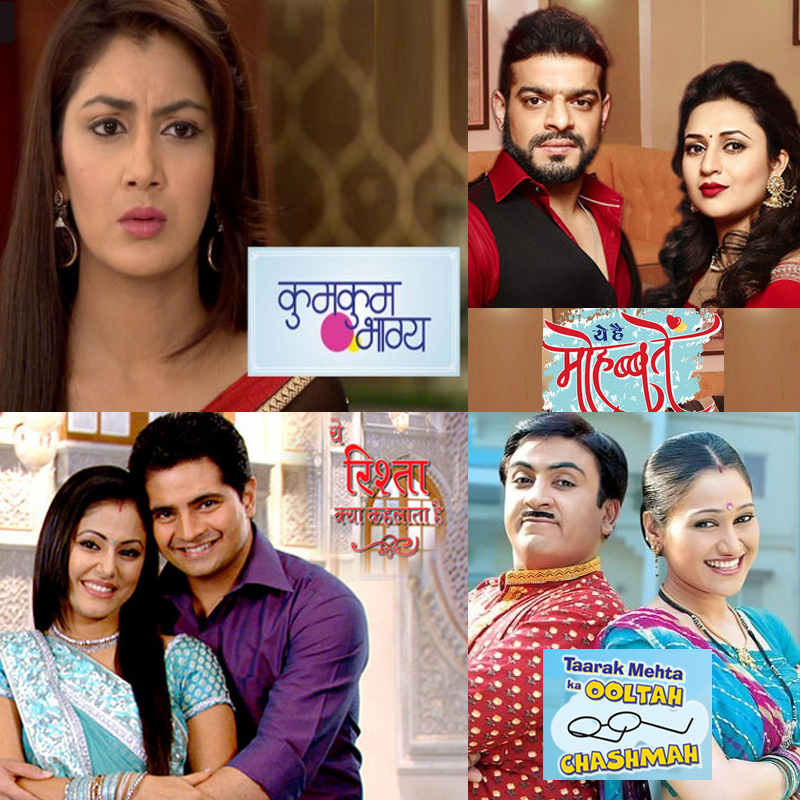
On one hand you have Sony’s current offering Porus with 260 episodes, Prithvi Vallabh had 80 episodes and Zindagi ke Crossroads which will have just 39 episodes, while on the other hand shows such as Yeh Rishta kya Kehlata hai, Taarak Mehta ka Ooltah Chashmah, Yeh hai Mohabbatein and Kumkum Bhagya crossed 1000 episodes.
Initially, Prithvi Vallabh was slotted for two seasons of 40 episodes each but as it failed to garner required viewership, the broadcaster is considering wrapping it up in just 45 episodes.
Media experts spoke to Indiantelevision.com about the opinion that the only thing that matters for a show is viewership and not its length. In most cases, channels restrict shows to 80 episodes initially and extensions depend on traction. One expert feels that the demand for finite shows will continue to be in the future as well.
In an earlier interaction, Zee TV deputy business head Deepak Rajadhyaksha said, “Zee hasn’t done finite shows with follow-ups intentionally except perhaps Chhoti Bahu, Punarvivaah (both of which had a second season but not launched as a finite series).” He said that cost saving isn’t of utmost priority for a channel and a story will be told regardless.
Sony Entertainment Television’s head of non-fiction Ashish Golwalkar said that when a writer is able to create a fresh story with old characters, channels give a thought to reinvigorating the show. “Whoever does a second season of any show, never considers cost as a criterion. There is an affinity towards the character that you build over time and once the story is over, you take a pause, wait for a while, redo the story and come back within a span with the same characters where the affinity of the show continues.”
When it comes to Hindi GEC viewers, the channels and shows find it extremely difficult to break TV viewing habits. The genre works on appointment viewing and the viewer follows a routine in terms of shows they watch. It is not just the number of days of telecast, even the time-slot matters. Say, if for instance, Naagin was aired at the 5.30 pm time slot, it wouldn’t have done as great as it had been doing in its initial two seasons.
Broadcasters are assured that Indian viewers are ardent followers of storylines regardless of how long a show extends. So it only makes sense for them to keep creating engaging stories that can maintain consistent viewership.
Also Read :
Is it the end of the road for anime in India?
‘Bigg Boss’ holds appeal across languages: Viacom18’s Ravish Kumar
Will launch two OTTs before end of this year: Discovery India’s Karan Bajaj






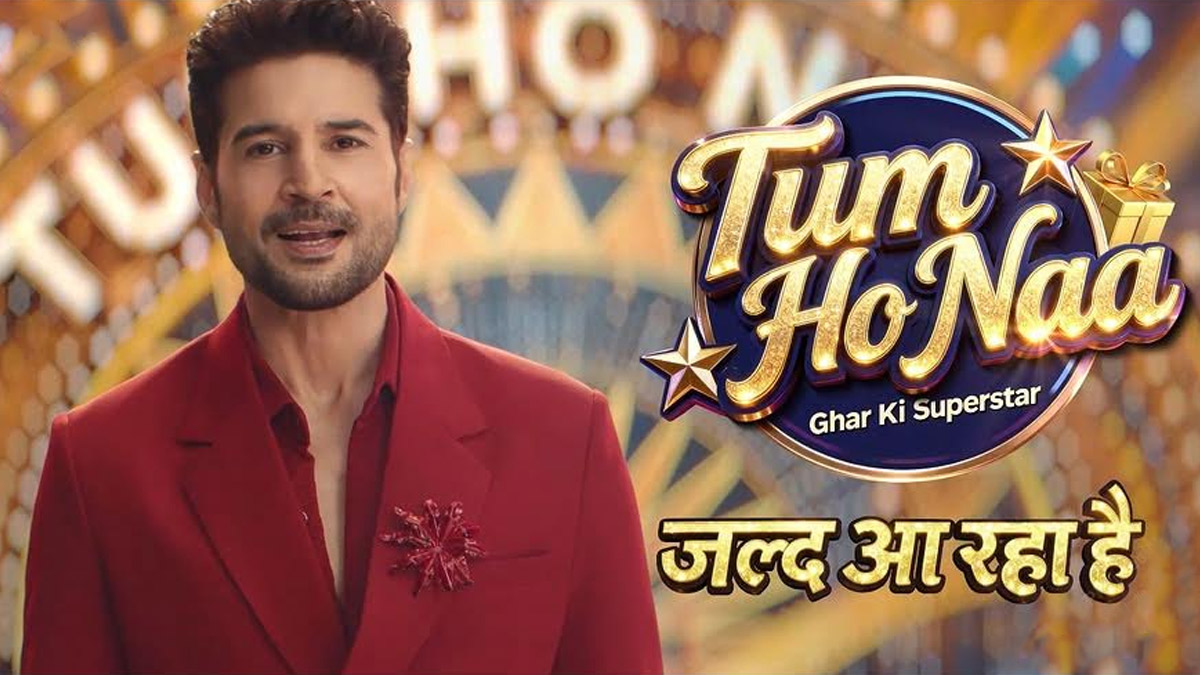
MUMBAI: Lights, camera… connection because this time, the game isn’t just about winning, it’s about who’s with you. Sony Pictures Networks India is gearing up to launch a new reality game show, Tum Ho Naa, expanding its unscripted slate with a format that promises both emotion and engagement.
The show will premiere soon on Sony Entertainment Television and stream on Sony LIV, with Rajeev Khandelwal stepping in as host. Known for his measured screen presence and selective choices, Khandelwal’s return to television adds a layer of familiarity and credibility to the upcoming format.
While specific details of the gameplay remain under wraps, the positioning suggests a reality format that leans as much on emotional resonance as it does on competition, an increasingly popular blend in Indian television, where audiences are gravitating towards content that offers both stakes and storytelling.
Khandelwal, reflecting on his return, noted that his choices have often been guided by instinct rather than convention, describing Tum Ho Naa as a project that feels “close to the heart”. His association also signals Sony’s continued focus on anchoring new formats with recognisable faces who bring both relatability and depth.
The launch comes at a time when broadcasters are doubling down on original non-fiction formats to drive appointment viewing, even as digital platforms expand parallel reach. By placing the show across both linear television and OTT, Sony appears to be aiming for a dual-audience strategy capturing traditional viewers while engaging digital-first consumers.
As the countdown to premiere begins, Tum Ho Naa positions itself not just as another game show, but as a reminder that sometimes, the biggest prize on screen isn’t the jackpot, it’s the journey shared along the way.






