News Broadcasting
Industry needs lighter touch on regulations to achieve its potential: K Madhavan, CII

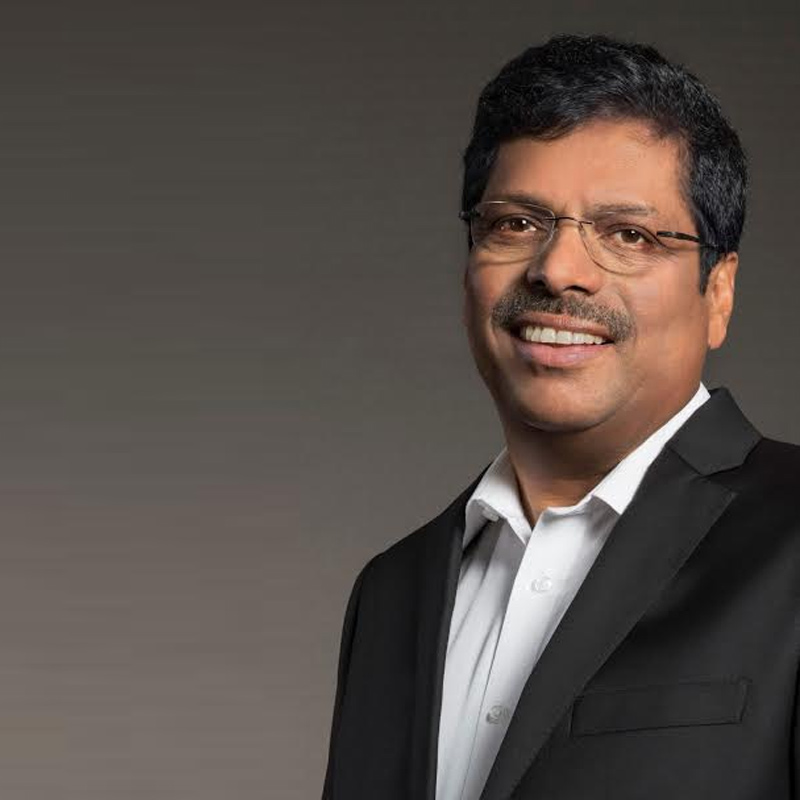
NEW DELHI: The ninth edition of CII Big Picture Summit kickstarted today. The three day-long event will see several eminent industry leaders sharing their thoughts. These include BARC CEO Sunil Lulla, Roy Kapur Films MD Siddharth Roy Kapur, senior journalist and former advisor to the prime minister Pankaj Pachauri, Viacom18 Digital Ventures COO Gaurav Rakshit, Amazon Prime Video India country GM Gaurav Gandhi, and many others.
There will be over 100 speakers, from both government and the industry. Some of the speakers are also joining the summit virtually from overseas. Sessions with state governments as well as with representatives of the regional entertainment industry will be hosted. The platform aims to give industry a chance to discuss what has worked, and what hasn’t – and how it can put India’s M&E sector on the global stage.
A special curtain-raiser for the upcoming India International Film Festival in Goa in January 2021 will be presented by the ministry of information and broadcasting.

The opening remarks for the event were delivered by CII national committee – media and entertainment chairman and MD Star & Disney India K Madhavan.
He started by sharing his thoughts on how 2020 has taken a massive toll on the industry and how it is trying to fight back. “In my many years in the industry, disruption on this scale had never before been imagined. Content production was halted, live sports and events were cancelled, cinema halls and theatres were shut down. With a worldwide reduction in demand for services and major cuts in advertising spends – the pandemic enforced a long pause across the entire industry. However, the entire M&E industry came together to engage and entertain millions of viewers while they were homebound.”
Madhavan stated how the entertainment consumption has surged across mediums such as television, gaming, and digital streaming platforms. TV and video streaming rose to a peak of 37 per cent higher than pre-lockdown levels.
He also touched upon live sports making a stupendous comeback with the IPL 2020, lifting sentiments and the economy. “Not only was the IPL the biggest live cricketing tournament to be held during the pandemic, but it was also a beacon of hope and normalcy for the nation. The tournament broke all the previous records – with a 23 per cent increase in viewership over last year. The response from the fans and advertisers was heartening and it set a positive tone for the festive season. It acted as a game-changer for the sector and helped revive the media spends for the whole industry,” he added.
He went on to talk about the film industry, and the innovations and breakthroughs it made to fight the crisis. “The film industry showed resilience and adapted to the ‘direct-to-digital’ model which helped launch new movies across digital streaming platforms. Cinema halls have taken longer to reopen, but I am confident that fans will soon be watching their favourite movies on the big screen, in safety.”
The industry has what it takes to grow from the present $24 billion to $100 billion by 2030, but its potential is currently untapped in many ways, said Madhavan. “Pay TV is still at 120 million of the 300 million households in India, we only have 500 million smartphones in a country which has over 950 million mobile subscribers. The pandemic has driven customers to adopt technology as never before – as seen in the growth in e-commerce, online video, and digital gaming – and this can drive the sector to new heights.”
To achieve this potential, a lighter touch on regulation and a much simpler governance structure is needed in place, he stressed.
“There are various kinds of restrictions that this sector is being subjected to although it has within it to make India truly atmanirbhar. We can increase our exports, increase the number of jobs being given to young talent, and most importantly, make India a global leader in content if policies are shaped as per the requirements of the industry,” Madhavan added.
A CII report on the Big Picture Summit will also be released to present a panoramic view of the Indian media and entertainment industry – how it fared in 2020, what were the viewership trends, what was the impact of the pandemic on advertising, which medium got an edge, and going forward, what will be the role of Indian content in the global arena.







News Broadcasting
CNN-News18 to host Fury in the Gulf conclave on West Asia crisis
Three-hour summit to unpack geopolitical fallout and impact on India
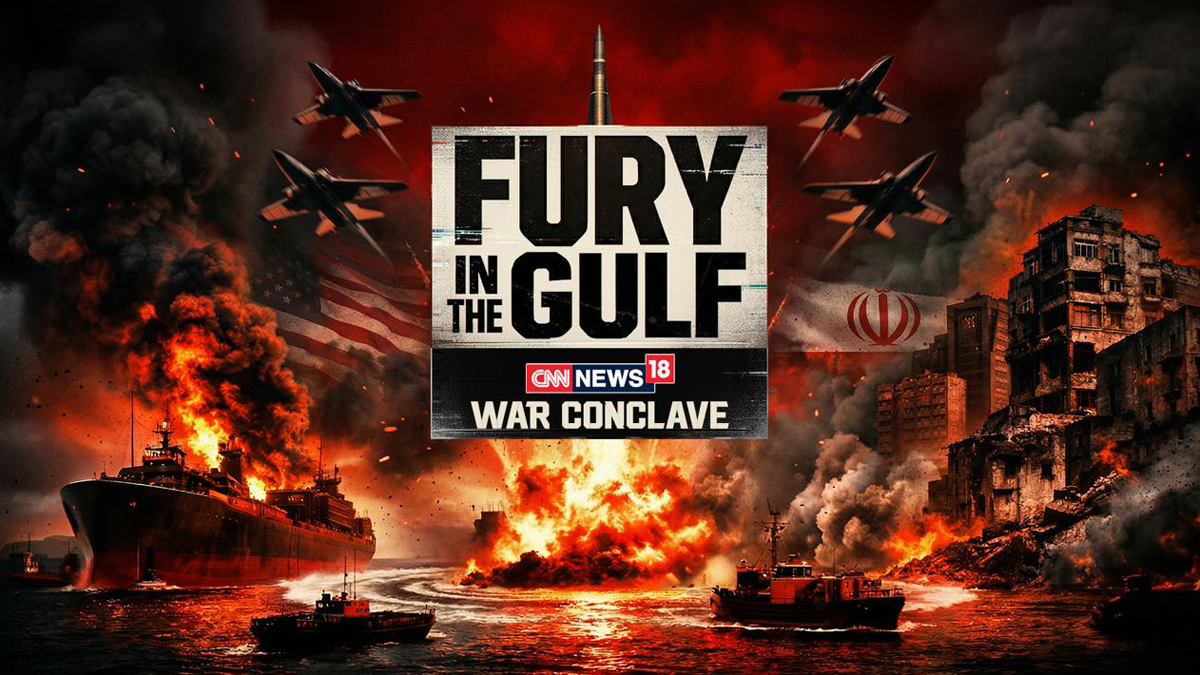
MUMBAI: CNN-News18 is set to host a special three-hour broadcast, Fury in the Gulf – War Conclave, on April 7, aiming to decode the escalating West Asia crisis and its far-reaching implications for India.
Scheduled from 4:00 PM to 7:00 PM, the conclave comes at a time when tensions between Iran and the United States are reshaping global geopolitics and triggering economic uncertainty. With India’s deep energy ties, trade links and large diaspora in the Gulf, the developments carry significant domestic relevance.
Built around the theme ‘Conflict, Consequences, and The Future,’ the programme will feature six curated sessions combining one-on-one interviews and panel discussions. The focus is to cut through the clutter and offer viewers a clearer understanding of the fast-evolving situation.
Key sessions include ‘Diplomacy in Times of War’ featuring Shashi Tharoor, and ‘World After the Iran Conflict’ with voices such as Ram Madhav, Reuven Azar, representatives from the European Union and the Iranian Deputy Envoy. Another session titled ‘Another Dunkirk?’ will bring together K. J. S. Dhillon and Jitin Prasada among others.
CNN-News18 editorial affairs director Rahul Shivshankar said, “In times of war, clarity becomes the most powerful tool. Fury in the Gulf – War Conclave brings together credible voices to address the questions and confusion that arise amid an overwhelming influx of information.”
He added that the initiative is aimed at delivering “facts, perspective, and insight” at a time when misinformation can easily cloud public understanding.
Echoing the sentiment, CNN-News18 CEO– English and business news Smriti Mehra said the conflict marks a defining global moment, with consequences that extend well beyond the region. She noted that the conclave seeks to present the crisis with “depth, nuance and responsibility” so audiences can better grasp its real-world impact.
As geopolitical tensions continue to dominate headlines, the conclave positions itself as an attempt to bring order to the noise, offering viewers a structured, insight-led look at a complex and rapidly shifting global situation.






