Gaming
India’s gaming giants face extinction as government prepares blanket ban

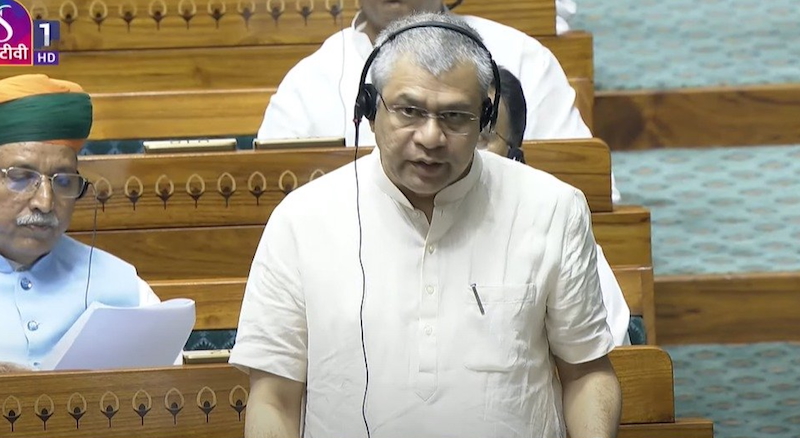
MUMBAI: India’s booming online gaming sector is bracing for devastation after electronics and information technology minister Ashwini Vaishnaw introduced the Promotion and Regulation of Online Gaming Bill, 2025, in the Lok Sabha on Wednesday. The proposed legislation threatens to outlaw all real-money gaming platforms, regardless of whether they involve skill or chance—a move that could obliterate 86 per cent of the industry’s current revenue streams.
The bill proposes harsh penalties for violators: up to three years imprisonment and fines of Rs 1 crore for operators, and two years jail plus Rs 50 lakh fines for advertisers. Banks and financial institutions facilitating transactions for money games face similar punishment. Repeat offenders could face between three and five years behind bars with higher fines.
Market leaders including Dream11, Games24x7, Winzo, GamesKraft and My11Circle now face an existential crisis. India’s online gaming market, currently valued at $3.7 billion and projected to reach $9.1 billion by 2029, could see its financial lifeline severed overnight.

The All India Gaming Federation, E-Gaming Federation and Federation of India Fantasy Sports have written jointly to home minister Amit Shah, warning that the legislation would “destroy over 200,000 jobs, result in over 400 companies shutting down, and weaken India’s position as a digital innovator.”
The industry argues that legitimate platforms will be forced to close, pushing crores of users towards illegal matka networks, offshore gambling sites and unregulated operators. The sector has grown into a Rs 2 trillion industry, generating Rs 31,000 crore in annual revenue and over Rs 20,000 crore in taxes whilst expanding at 20 per cent compound annual growth rate.
The bill defines an online money game as one where users pay fees or deposit money “in expectation of winning in return of money or other stake.” It explicitly excludes esports and online social games such as casual entertainment formats without monetary stakes. A proposed Online Gaming Authority would determine whether games qualify as money games and oversee the sector.
MeitY secretary S Krishnan said the legislation aims to recognise the industry’s creative intent whilst restricting undesirable segments. The government cited instances of severe financial distress and suicides linked to online money gaming during cabinet deliberations, noting particular concerns about addiction among children and youth.
The move represents a decisive shift from tax-and-regulate to prohibit-and-enforce. Authorities have already imposed a 28 per cent goods and services tax on gaming revenues since October 2023, followed by a 30 per cent tax on net winnings from FY 2024-25. Over 1,400 illegal betting and gambling sites have been blocked since 2022.
Players themselves will not face criminalisation under the proposed law, being treated as victims rather than offenders. Free-to-play and subscription-based games where users pay fixed fees without wagering during gameplay will remain permissible.
Industry insiders warn the legislation could violate constitutional principles whilst strengthening illegal offshore operators—described as “one of the biggest national security threats to the country today.” India’s gamer base has grown from 360 million in 2020 to over 500 million in 2024, with foreign direct investment in the sector crossing Rs 25,000 crore by June 2022.
The Lok Sabha session was adjourned until 2pm shortly after the bill’s introduction amid opposition protests, leaving the industry’s fate hanging in the balance.







Gaming
Konami concludes successful eFootball India campaign
Campaign featuring Rinku Singh, Varun Chakravarthy and other stars boosts engagement ahead of FIFA World Cup 2026.
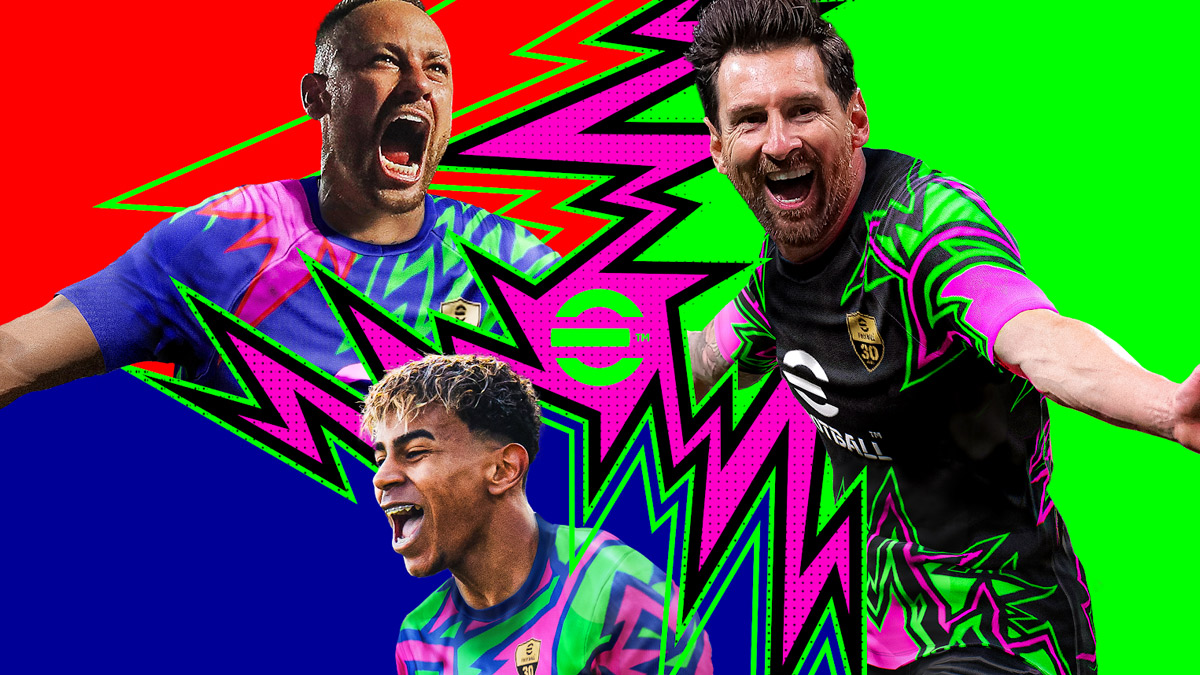
MUMBAI: When cricket meets football in the virtual world, even the biggest fans can’t help but score and Konami’s latest eFootball campaign in India has clearly hit the back of the net. Konami Digital Entertainment has successfully wrapped up its India campaign for eFootball, which brought together cricketers Rinku Singh and Varun Chakravarthy, actors Naslen Gafoor and Chandu Salim Kumar, and footballers Sahal Abdul Samad and Shubhasish Bose. The multi-star campaign generated strong excitement across gaming, football, and creator communities through social content, fan participation, and in-game engagement.
Building on the initial launch that featured a limited-time Lionel Messi card, the campaign united fan communities, lifestyle creators, football creators, and competitive eFootball influencers. It significantly expanded the game’s visibility and deepened engagement with fans across the country.
The campaign also saw thousands of entries submitted as part of its social media engagement challenge, reflecting high levels of community enthusiasm and active creator involvement.
Looking ahead, Konami plans to build on this momentum with more eFootball experiences for Indian fans as the FIFA World Cup 2026 approaches. With global attention on the tournament set to rise, India will remain a key market for deepening community engagement and bringing fans closer to the action.
In a country that lives and breathes sport, Konami has shown that mixing real-world stars with virtual thrills is a winning formula leaving fans eagerly waiting for the next goal.






