iWorld
Indian viewers want government regulation for OTT platforms


MUMBAI: Online content regulation has stirred a lot of controversies recently in the Indian over-the-top (OTT) ecosystem. While many experts and platforms are not in favour of censorship, a survey revealed that 57 per cent of Indians want government regulation for OTT platforms.
“Nine in ten (91 per cent) said content-either on TV, films or online, should be regulated by the government, either always (as said by 40 per cent) or sometime (51 per cent). Men are more likely than women to say they want content to be regulated always (45 per cent versus 34 per cent) while women are more likely to want censorship sometime (56 per cent 46 per cent),” Business Insider quoted a survey from YouGov.
According to the survey, more than 59 per cent of Indians think that OTT platforms in the country have huge offensive content which is unsuitable for public viewing while 47 per cent find some of the content uncomfortable to watch around family. But 30 per cent of the respondents think content quality will be compromised due to censorship.

YouGov Omnibus conducted the survey among 1005 respondents in India between 22-28 October using YouGov’s panel of over 6mn people worldwide.
Earlier, Ministry of Information and Broadcasting (MIB) secretary Amit Khare said there is a need to rethink regulating over-the-top (OTT) platforms because some sections of the society are voicing concerns on its content.







iWorld
OpenAI hits back at Elon Musk’s lawsuit ahead of trial
Company calls claims “baseless” and accuses Musk of trying to disrupt a rival.
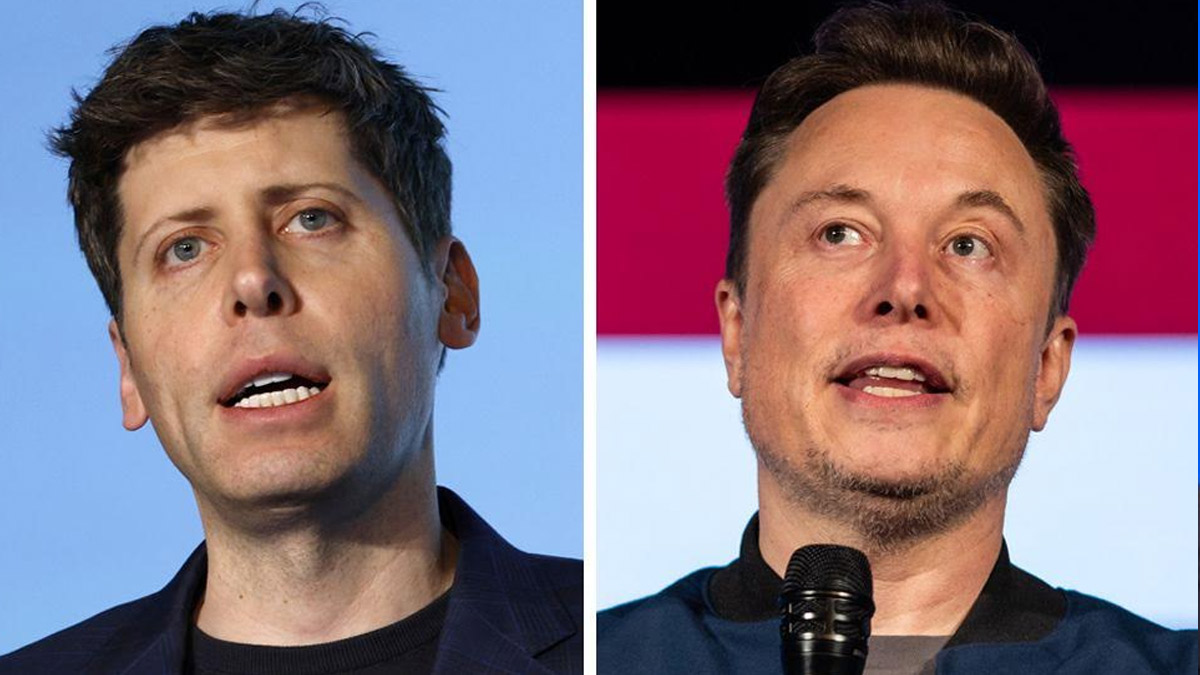
MUMBAI: When the stakes are measured in billions and egos are involved, even Silicon Valley titans can turn a courtroom into a battlefield. OpenAI has issued a sharp public response to Elon Musk’s ongoing lawsuit, accusing the billionaire of filing the case to harass a competitor rather than address genuine concerns. In a strongly worded statement shared on its official X account, OpenAI described Musk’s allegations as “baseless” and suggested the lawsuit is an attempt to disrupt the company as the case heads toward trial later this month in Oakland, California.
The response comes after Musk’s legal team recently amended the complaint, proposing that any damages potentially exceeding $150 billion should go to OpenAI’s nonprofit entity rather than to Musk personally. OpenAI questioned the timing and motive behind this change, calling it a late-stage attempt to “pretend to change his tune” on the nonprofit structure.
The company further labelled the lawsuit a “harassment campaign”, arguing that Musk’s actions are driven by personal rivalry, ego, and a desire for greater control and financial upside.
At the heart of the dispute is Musk’s claim that OpenAI has abandoned its original nonprofit mission of developing artificial intelligence for the benefit of humanity. A co-founder who left in 2018, Musk is seeking governance changes, including the removal of CEO Sam Altman from the nonprofit board, and the return of certain financial gains linked to Altman and President Greg Brockman.
OpenAI has firmly rejected these allegations, maintaining that its current hybrid structure, a public-benefit corporation overseen by a nonprofit parent remains true to its long-term goals. The company has also previously accused Musk of anti-competitive behaviour aimed at weakening its leadership.
As the case prepares for a jury trial, this public exchange highlights the deepening rift between two of the most influential figures in the AI revolution and raises broader questions about governance, mission, and power in the fast-moving world of artificial intelligence.
In the high-stakes game of AI, it seems the real drama isn’t just inside the models, it’s playing out in courtrooms too.






