Content Hub
Indian content owners, creators don’t value own content

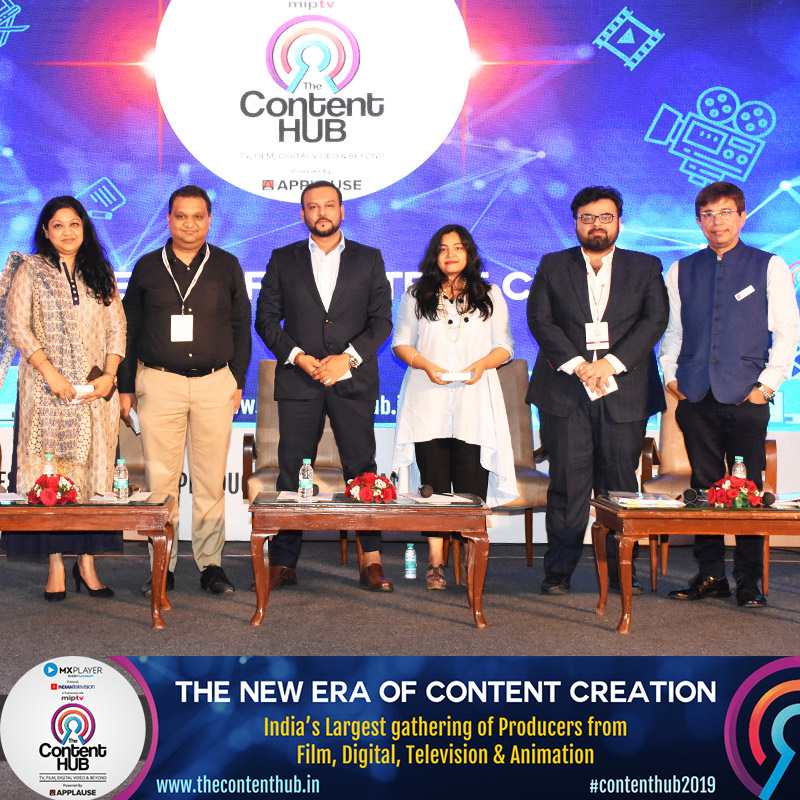
MUMBAI: The third edition of Indiatelevision.com’s The Content Hub had an insightful panel on the global syndication market. The panel consisted of Go Quest Media ventures MD Vivek Lath, Swastik Productions and One Life Studios MD Rahul Kumar Tewary, MX Player head-content acquisition Mansi Shrivastav, Sony head networks – licencing Malvika Prabhu and ANM Global co-founder partner Nidhish Mehrotra and moderated by Indiantelevision.com founder, CEO and editor-in-chief Anil Wanvari.
Go Quest Media ventures MD Vivek Lath said that a lot of countries are now doing indigenous production. “But what they lack is the kind of creative maturity and evolution India has gone through. That’s where we see much larger opportunity going forward.”
Swastik Productions and One Life Studios MD Rahul Kumar Tewary said that the demand for Indian content has reduced over time. “But what we need to understand is what kind of content we are creating. Does it resonate with the international audience or are we only catering to the Indian market? In the end, it is a business and we only cater to the Indian market. But if we really want our content to travel the world, I guess we need to re-look at what kind of content we are creating,” he said.

Another issue syndication faces is that, according to Lath, Indian content creators don’t value their content as people from Korea, Turkey and China do because of which it is underpriced. Tewary agreed with Lath and said, “Turkish, Chinese and Korean dramas have got a standard market price. No one brings the market price down. So they value their content. Unfortunately, we are the cheapest. You can sell it for $50-70.”
Much of Indian content travels to Southeast Asia because it has a similar market. In India, shows are telecast for 5-6 days a week which is 260-312 episodes a year. It becomes difficult to sell so many episodes across the world because the appetite for such viewing is lacking. With Thailand emerging as a new market in the last two years, it helped cushion the impact from the other markets. Latin America is also a promising area but tough to crack which Tewary feels will open up soon.
The genres that are doing well currently are animation, fantasy, mythology and the modern drama series. Experts also foresee a future demand for Indian horror thrillers on OTT platforms, because of their high production quality. Lath believes that GEC dramas are the fastest moving in the international markets across 60-odd countries.
The deciding factor for content buying is the platform. MX Player head-content acquisition Mansi Shrivastav said, “I think for OTT there is more flexibility because there is an ability to programme for an individual customised experience. When you are buying for linear TV, you have to keep the overall target audience in mind and there is only one kind of programming."
For OTT, there is still limited data available on usage and behaviour patterns. But sometimes, you follow your gut and take a risk. MX Player has just bought 100,000 hours of content which varies from two-minute videos to long-form series. “Movies in each language are important to us because there is a lot of traction for that. But we are buying across top ten languages; we are giving a lot of importance to regional markets including Tamil, Telugu, Kannada, etc. and Hindi, of course, is a key language,” Shrivastav added.
According to experts, the Indian content export business excluding movies is around Rs 400 crore as the syndication of Indian content started only from 2007 onwards. “I think in the future, animation is something which is going to add on a lot of export to India in the next 5-10 years,” Tewary concluded.




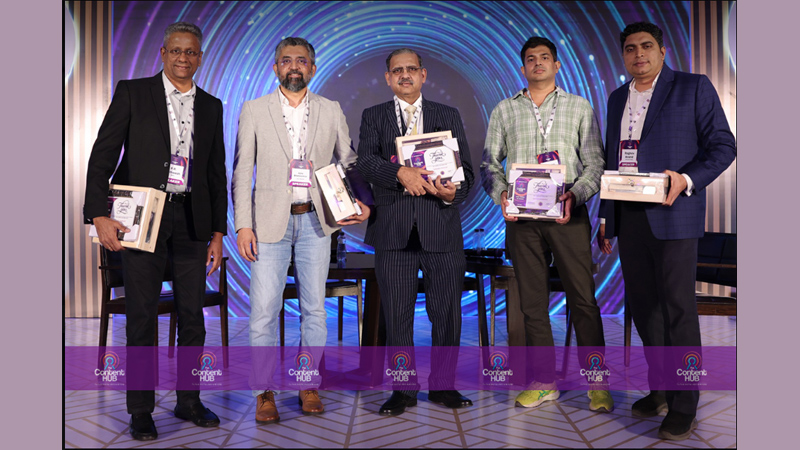
Mumbai: Exploring the shift from regional to national content, this synopsis delves into the trends and challenges. It navigates the transformation, analyzing industry dynamics, emerging trends, and the hurdles faced. From preserving regional variation to adapting to a broader audience, it examines the multifaceted journey of regional content evolving into a national narrative. In what ways do the emerging trends and challenges influence the dynamics of the entertainment industry during this transition? How can creators navigate these changes effectively? What strategic approaches can content creators adopt to strike a balance between maintaining regional identity and fostering a cohesive national narrative in their work? How can the transition from ‘regional’ to ‘national content’ impact cultural diversity within the entertainment industry, and what measures can be taken to ensure the preservation of regional variation?
In a rapidly evolving media landscape, seasoned industry professionals have offered valuable insights into the transformation of content consumption and production. The session was chaired by Ernst and Young partner Raghav Anand, MMTV chief executive officer P.R. Satheesh, Sony Marathi business head Ajay Bhalwankar, PTC Network chairman & MD Rabindra Narayan, Shemaroo Entertainment COO, Digital, Saurabh Srivastava esteemed voices in the field, have articulated their perspectives on the burgeoning shift towards globalised content.
Rabindra Narayan emphasised the dissolution of regional boundaries in content consumption, attributing it to the accessibility facilitated by global platforms and connectivity options. He predicts a future where language barriers will fade, citing the potential of technology to clone and adapt voices, thus enabling seamless localization across languages.
Saurabh highlighted the democratisation of content creation in the digital era, underscoring its empowerment and revenue potential, particularly in linguistically diverse markets like India. He emphasizes the value of culturally rooted storytelling in filling gaps in content supply, with technology enabling effective monetization, especially through OTT platforms.
Ajay Bhalwan sheds light on the evolving landscape of Hindi and regional language content, noting a significant shift where a substantial portion of content on Hindi film channels originates from regional languages. He accentuates the importance of language in enhancing authenticity and audience engagement, exemplified by the strong resonance of Marathi content in Maharashtra.
PR Satheesh underscored the paramount importance of content quality in driving viewership and transcending language barriers. Drawing parallels with the global popularity of Korean dramas, he advocates for leveraging technology, including AI and real-time translations, to enhance content creation and distribution.
These insightful perspectives collectively echoed the industry’s adaptation to a globalised content landscape, where technology catalyzes innovation and accessibility. As content continues to evolve, these experts offered valuable guidance on navigating the dynamic media landscape and maximizing the impact of storytelling in diverse markets worldwide.






