Hindi
India to be promoted as filming destination in ‘Incredible India’ campaign

NEW DELHI: India is to be aggressively promoted as a filming destination.
The Incredible India Campaign and the cinemas of India are to be promoted at various international film festivals in India and overseas, thanks to a memorandum of understanding between the Information and Broadcasting and Tourism Ministries.
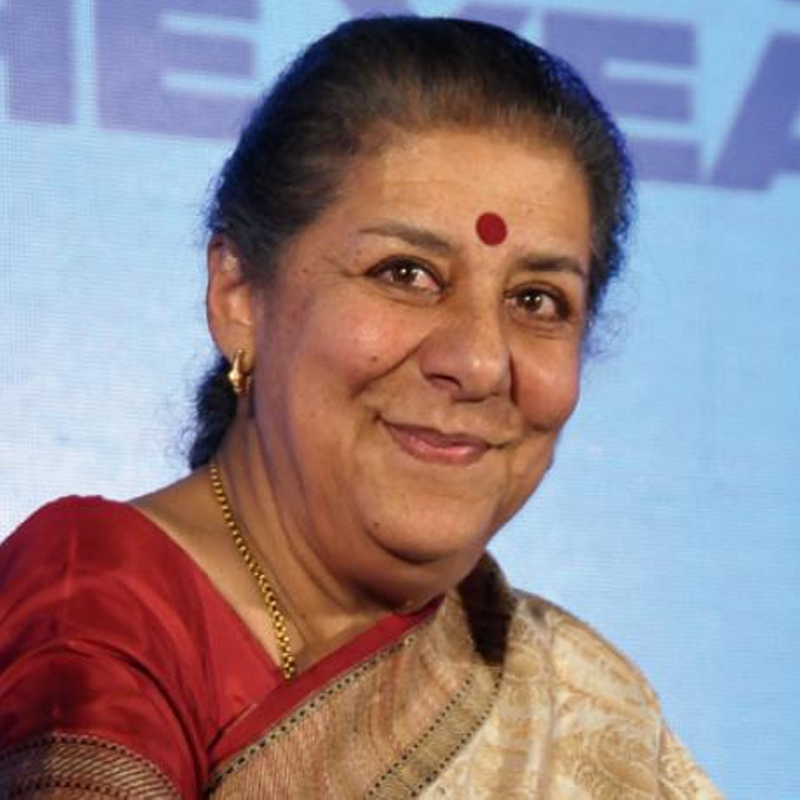
The MoU is expected to enhance the reach of “Incredible India” through the medium of cinema, develop synergy between tourism and film industry and provide a platform for enabling partnerships between the Indian and global film industry. It was signed today in the presence of I&B Minister Ambika Soni, Tourism Minister Subodh Kant Sahay, and Minister of State for Tourism Sultan Ahmed.
It is expected that this innovative partnership will facilitate the promotion of India as a filming destination for foreign producers. In 2011-12, 20 permissions were granted for shooting in India, down from 20 in the prior year and 23 in 2009-10.
The aim is to create and build upon a Film Tourism vertical of Incredible India Campaign by promoting cinemas of India as a sub-brand of ‘Incredible India‘. The emphasis will be on its linguistic/cultural/regional diversity. This will also provide an impetus to frame policies and guidelines for facilitating shooting of International films in India and promote India as a filming destination, both for international and domestic film producers.
Another key objective is to initiate dialogue with State Governments and Union Territories within India for development of locations for film shootings and promotion of tourism.
At the institutional level, the attempt is to constitute a National Level Committee for coordination with various stakeholders for promotion of India as a film and tourism destination and for facilitating visas for film units from overseas. On some of the key aspects, the roadmap will be charted out through mutual consultations between the two ministries.
The Tourism Ministry would provide budgetary support for identified film festivals, markets and events. The Ministry would facilitate publicity through the available content based on existing audio visual material and print designs. The joint participation of the two ministries would cover the Cannes Film Festival and Market, International Film Festival of India in Goa including the Film Bazaar, and the European Film Market at Berlin.
The agreement reiterates the branding of ‘Incredible India’ at critical outreach positions at the identified film festivals markets and events. This includes the display of the logo of Incredible India, through wall hoardings, stalls and the screening of the promotional film.






Hindi
Zee5 and Applause Entertainment team up for whodunnit ‘Everybody Loves Sohrab Handa’
Rajat Kapoor directs star-studded murder mystery streaming from 10 April.

MUMBAI: Zee5 is serving up another killer collaboration and this time, the murder mystery comes with a generous side of dark humour and family dysfunction. The streaming platform has partnered with Applause Entertainment and Mithya Talkies to bring Everybody Loves Sohrab Handa, a fresh, twisted whodunnit written and directed by acclaimed filmmaker and actor Rajat Kapoor. The film will stream exclusively on Hindi Zee5 from 10 April.
The movie reimagines the classic murder mystery genre with a contemporary, darkly comic edge. It revolves around a group of friends and family who smile, drink, and celebrate together until the silence snaps and long-buried secrets spill out. The stellar ensemble cast includes Vinay Pathak, Ranvir Shorey, Waluscha De Sousa, Saurabh Shukla, Chandrachoor Rai, Neil Bhoopalam, Koel Purie, Palomi Ghosh, and Rajat Kapoor himself.
This latest offering continues the successful partnership between Zee5 and Applause Entertainment, which has previously delivered diverse hits such as Mithya, Bloody Brothers, and Jab Khuli Kitaab.

&TV Business Head of hindi Zee5 and chief channel officer Kaveri Das said, “Our collaboration with Applause Entertainment has consistently delivered distinct, high-impact storytelling. Everybody Loves Sohrab Handa is a natural progression, reinforcing our focus on genre-led content with a compelling whodunnit premise and a strong ensemble cast.”
Applause Entertainment business head for movies Sunil Chainani added, “This film adds yet another compelling layer to our slate with Rajat Kapoor’s unmistakable voice.”
Rajat Kapoor shared, “What interested me was not just the mechanics of a whodunnit, but the emotional violence that precedes physical violence. These are people who smile at each other, but there’s so much that is not said.”
The film promises razor-sharp writing, layered performances, and simmering tension, inviting viewers not just to solve the crime but to unravel the complex relationships at its heart.
If you love a good murder mystery served with wit and emotional depth, Everybody Loves Sohrab Handa looks set to be your next addictive watch. Mark your calendars, the whodunnit drops on Hindi Zee5 from 10 April.







