News Broadcasting
India more lenient towards media’s coverage of economic downturn: Study

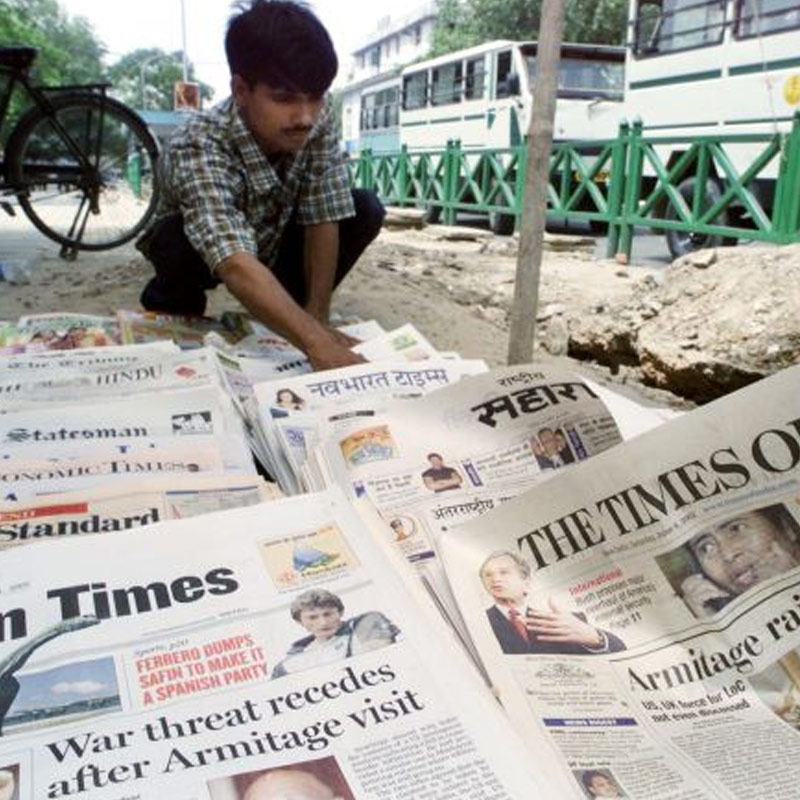
MUMBAI: While the world stands to blame the media for keeping them blindsided to the severity of the economic crisis, about a third of Indian respondents do not rest all blame on media, reveals the latest 52-nation online survey conducted by The Nielsen Company.
India figures ninth on the list of countries who disagree with the view that news media did not do a good job of informing them of issues that led to the economic downturn in India.
The general consensus among consumers across much of the world is that the media did a poor job informing the public about the issues leading up to the current financial crisis. In India too, 45 per cent of the respondents agreed that media coverage was inadequate but the number of people who disagree is also quite large.

The two regions where consumers were most dissatisfied were Europe and North America. Not surprisingly, these were the areas hit the most by the current economic crisis. On the other hand, consumers in many Asia Pacific nations, where the impact on the economy hasn’t been as harsh, were generally less critical of the media.
“In the recent Nielsen Global Consumer Confidence study India was ranked third on confidence levels. The comparatively high level of confidence that Indians have in their economy might be a reason why Indians have shown more mercy towards media coverage during the downturn than the rest of the world. Also the fact that India didn’t face a full blown downturn helped the media to save itself from consumers’ ire,” said The Nielsen Company India associate director – consumer research Vatsala Pant.
The study states that not only do fewer Indians blame media for its past coverage of the downturn, but with 70 per cent votes, India is ranked third in the list of countries who think that the current media is doing a good job in helping them understand the issues affecting the global economy. Indian respondents also agree that media is helping them to better understand what the governments are doing to solve the economic problems at hand (61 per cent – 6th highest globally).
Attitudes about early media coverage were most positive in the Philippines, Pakistan, Indonesia, Venezuela and India, all of which scored above the global average.
Factors that drove the failure to communicate were varied.
Some critics have argued that the financial media was too close to those it covered. Moreover, the speed of negative events following the Lehman Brothers bankruptcy filing caught not only journalists by surprise, but also economists and government officials.
Globally, many of the 25,000-plus consumers polled believe media performance has improved over time. In much of the Asia Pacific region, the public thought the media was doing a good job in providing information about what the issues are and what governments are doing to address them.
57 per cent Indian respondents think that the amount of current news coverage of the global financial crisis is just about right for them, 23 per cent think it’s not enough for them and 20 per cent think there is too much coverage.




News Broadcasting
Kamlesh Singh receives Haldi Ghati Award from MMCF
India Today Group editor honoured for three decades of journalism at Udaipur ceremony.
MUMBAI- Kamlesh Singh just turned a lifetime of sharp words into a shiny shield because when journalism wakes up a society, even the Maharana of Mewar wants to pin a medal on it.
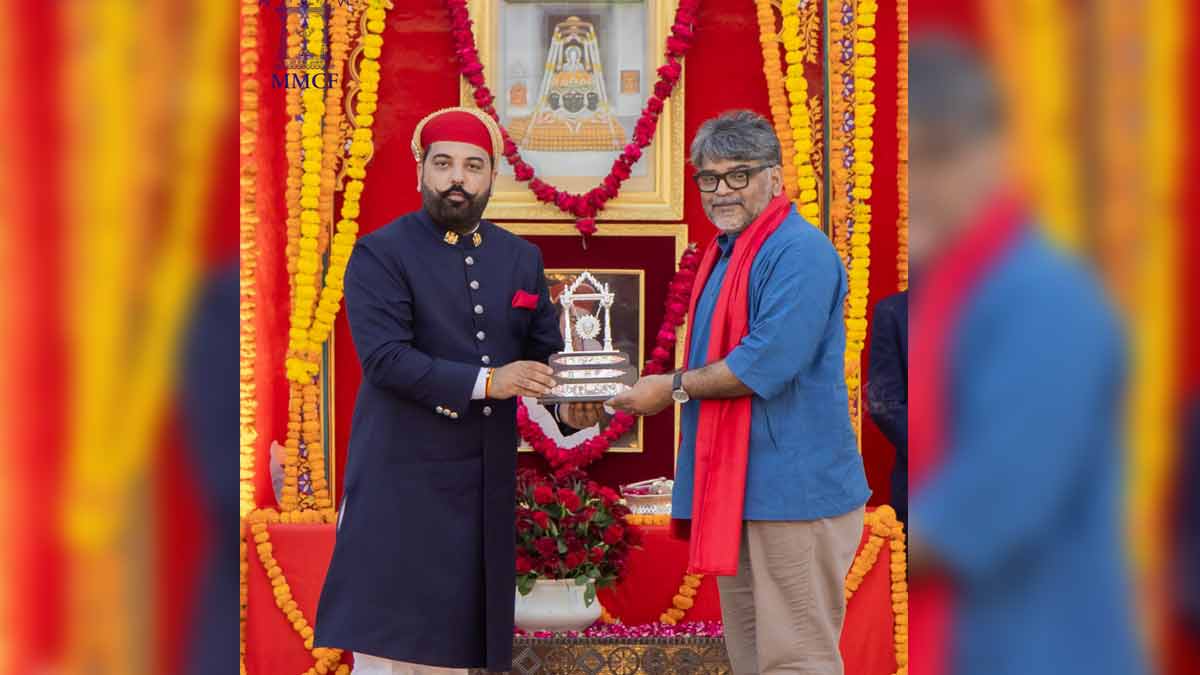
The Maharana of Mewar Charitable Foundation (MMCF) conferred its prestigious Haldi Ghati Award on Kamlesh Singh, a senior editor at the India Today Group, during a ceremony in Udaipur on 15 March 2026. The national award, instituted in 1981-82, recognises “work of permanent value that initiates an awakening in society through the medium of journalism.”
Singh, who leads several editorial initiatives including Aaj Tak Radio, the Teen Taal community and The Lallantop, was presented the honour by Lakshyaraj Singh Mewar, Managing Trustee of MMCF. The citation highlighted his three decades of contributions to Indian media, innovations in digital journalism, mentoring young reporters, and his popular podcast persona “Tau” on Teen Taal, which fosters thoughtful public discourse.
The Haldi Ghati Award, named after the historic Battle of Haldighati symbolising valour and resilience, is one of four national awards given annually by MMCF. Past recipients include Tavleen Singh, Piyush Pandey and Raj Chengappa.
Other honourees this year included Padma Vibhushan Pt Hari Prasad Chaurasia, Vedamurti Devvrat Rekhe, Treeman of India Marimuthu Yoganathan, Vir Chakra Capt Rizwan Malik, and US-based researcher Molly Emma Aitken, who received the Colonel James Tod Award for contributions to understanding Mewar’s spirit and values.
In an era where headlines often shout louder than substance, the MMCF quietly reminded everyone that real journalism isn’t about noise, it’s about the quiet, persistent work that stirs society awake, one thoughtful story at a time.







