eNews
India congregates at Mipcom as TV industry grapples with streaming wars


CANNES: Mipcom 2025 opens its doors on 13 October in Cannes, and India is making serious noise. Whilst the global television and streaming industries thrash about in existential angst—wondering what they are, where they’re going, and whether anyone still watches television—over 10,500 participants and 330-plus exhibitors from more than 100 countries are cramming into the Palais des Festivals. Identity crisis? Not on India’s watch.
RX management, which runs this annual gathering, expects the gloom to lift the moment delegates start talking deals. And nowhere is the optimism more palpable than in the Indian contingent, which has arrived in force with more than 70 companies ready to do business.
Centre stage sits the Indian Pavilion—a sprawling 100 sq m affair rebranded as the Bharat Pavilion/Waves Bazaar. It’s a joint initiative between the Indian consulate in Marseilles, the ministry of information and broadcasting, and the Services Export Promotion Council. More than 40 Indian companies have piled in under its banner: animation studios, video service outfits, content distributors, post-production houses—the full ecosystem.

But the real heavyweights are flying solo. Eschewing the shared space, a formidable lineup of Indian firms have planted their own flags with independent exhibition stands: Animation Xpress, Amagi Media, Enterr10 Television (which runs the Dangal channel), GoQuest Media, JioStar India, One Life Studios, One Take Media, PowerKids Entertainment, Rajshri Entertainment, Rusk Media, Shemaroo Entertainment, and Zee Entertainment Enterprises. It’s a show of strength that reflects India’s growing clout in the global content economy.
Indian delegates hunting for content—whether licensing hit formats or acquiring finished programming—number more than 120 this year, a figure that underscores the country’s voracious appetite for fresh material and its ambitions as both buyer and seller.
Hiren Gada, chief executive of Shemaroo Entertainment, said he was returning to Mipcom after many years away and was “looking forward to some exciting meetings with international clients.” The veteran executive’s presence signals that even established players see renewed opportunity in the current market turbulence.
Siddharth Kumar Tewary, founder of One Life Studios, called the atmosphere “electric,” adding that his company was now positioning itself as a global multiplatform content and production services partner—not merely an Indian supplier, but a genuine international player capable of creating content for any screen, anywhere.
The Indian surge comes at a curious moment. Traditional broadcasters are bleeding viewers to streaming platforms – which are themselves struggling against the vertical and micro drama platforms and Fast services -trying to figure out sustainable business models. Studios are consolidating, mergers are multiplying, and nobody quite knows whether “peak TV” was last year or five years ago. Yet Cannes remains Cannes—a place where hope springs eternal and every conversation might be the one that spawns the next global hit.
As deals snap shut and pitches fly across the sun-drenched Riviera, sleepy Cannes has morphed once more into the pulsing nerve centre of the global content trade. Champagne corks pop, business cards change hands at dizzying speed, and somewhere in the Palais a Hindi-language crime thriller is being sold to a Scandinavian broadcaster who’s convinced it’s the next Squid Game.
Streaming uncertainty be damned. The curtain rises, the cameras roll, and India’s moment in the spotlight has arrived—louder, brighter and more confident than ever.






eNews
Paisabazaar launches Credit Premier League 2.0
Nationwide campaign rewards highest credit scores with Rs 1 lakh top prize.
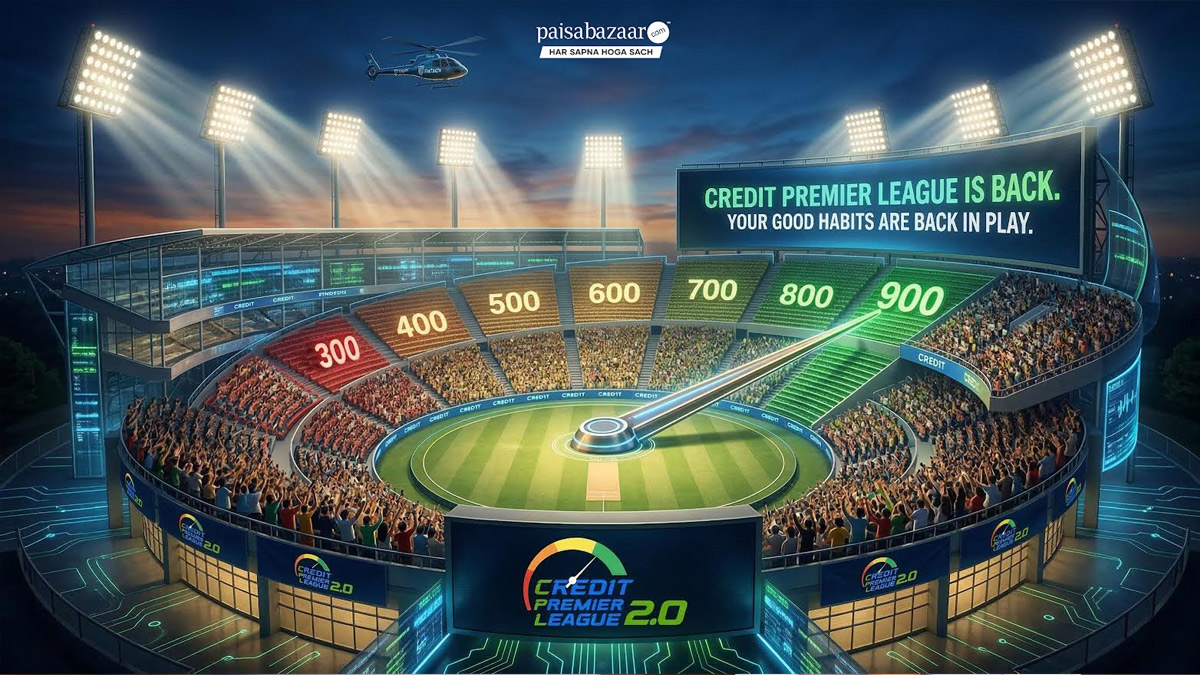
MUMBAI: When credit scores become a national league, even your CIBIL report starts feeling like it’s playing in the IPL and Paisabazaar has just kicked off the second season. Paisabazaar, India’s leading marketplace for financial products and the country’s largest free credit score platform, has announced the return of the Credit Premier League (CPL) 2.0, a fun, nationwide initiative to recognise and reward individuals with the highest credit scores.
Building on the success of the first edition, CPL 2.0 introduces higher rewards and broader participation. The individual(s) with the highest credit score in the country will win Rs 1 lakh, while state champions will each receive Rs 10,000. Additionally, all participants from the winning state, the one with the highest average credit score will also be rewarded.
All winnings will be credited directly to winners’ PB Wallet, allowing them to pay credit card bills, recharge mobiles, or settle utility bills seamlessly on the Paisabazaar platform.
Paisabazaar CEO Santosh Agarwal said the campaign aims to make credit awareness more engaging and mainstream. “With CPL, we are bringing together engagement, gamification and rewards to make conversations around credit scores more mainstream,” he noted. “Our focus remains on building a financially aware and credit-healthy Bharat.”
The first edition of CPL saw over 5.5 million participants, with the highest individual score touching 861. Delhi recorded the highest average credit score of 746.
Consumers can participate simply by checking their free credit score on the Paisabazaar platform or app. The CPL leaderboard and rankings will be available exclusively on the Paisabazaar App.
In a country where financial dreams are serious business, Paisabazaar has found a smart way to turn credit scores into an exciting game – because when your financial health gets rewarded, everyone wants to play.






