News Broadcasting
ICTV demonstrates ActiveVideo Platform at Broadcast Asia


SINGAPORE: VOD solutions provider ICTV has introduced its ActiveVideo platform at the 11th Annual Broadcast Asia Conference and Exhibition being held from 20-23 June 2006.
In its demonstration, ICTV has showed how the ActiveVideo platform combines the attributes of television and the web and enables operators, programmers and advertisers for the first time to successfully bring broadband video programming and advertising models from the internet to the television, informs an official release.
The platform delivers web-driven programming and both live and VOD streams. ActiveVideo programming is delivered through the widely deployed VOD infrastructure through any VOD-capable set-top and navigated with standard remotes, adds the release.

Capitalising on the ability to deliver web programming as MPEG video to any digital set-top box, the ICTV ActiveVideo platform is entirely standards- based, requiring no custom integration or proprietary development. Live and VOD programming can be blended with content that is created and modified quickly using standard web tools and talent, and distributed to the headend via standard web infrastructure. The ActiveVideo platform runs within the existing VOD infrastructure, delivering all programming from the headend as MPEG video, and integrates with and extends existing set-top based interactive approaches.
“Viewers have been taking greater control of their video experiences, particularly on the PC and increasingly on mobile devices,” said ICTV president and CEO Jeff Miller. “The ActiveVideo platform enables the delivery of programming that most precisely meets the needs of the individual viewers, as well as high-CPM ads that are targeted, auditable and interactive.”
The ICTV demonstration at Broadcast Asia also includes two applications of the ActiveVideo platform: An ActiveVideo Mosaic, the multichannel, customizable, personalized mosaic for video-rich navigation, and ActiveVideo Channels, which enable existing broadband networks to be delivered to the TV in real time, adds the release.
The ICTV ActiveVideo Mosaic creates a simplified, personalised navigational experience by providing live video from, and navigation through, multiple channels simultaneously. The ActiveVideo Mosaic can be personalized based upon subscriber, operator, or programmer choice, or via system response to subscriber viewing habits- all on any digital set-top box. Interactive elements, including web-driven targeted advertising, can be incorporated within the mosaic screens.
With ActiveVideo Channels, network operators and programmers can enhance the value of existing channels by allowing viewers to take active control of what they see and when they see it. With the use of their remote controls, television viewers can select an ActiveVideo Channel from the standard program guide and enter a broadband experience that includes video, navigational elements, channel branding, banner advertisements, and links to different video segments. Screens can be manipulated to reflect personal viewing interests and purchasing preferences.


News Broadcasting
CNN-News18 to host Fury in the Gulf conclave on West Asia crisis
Three-hour summit to unpack geopolitical fallout and impact on India
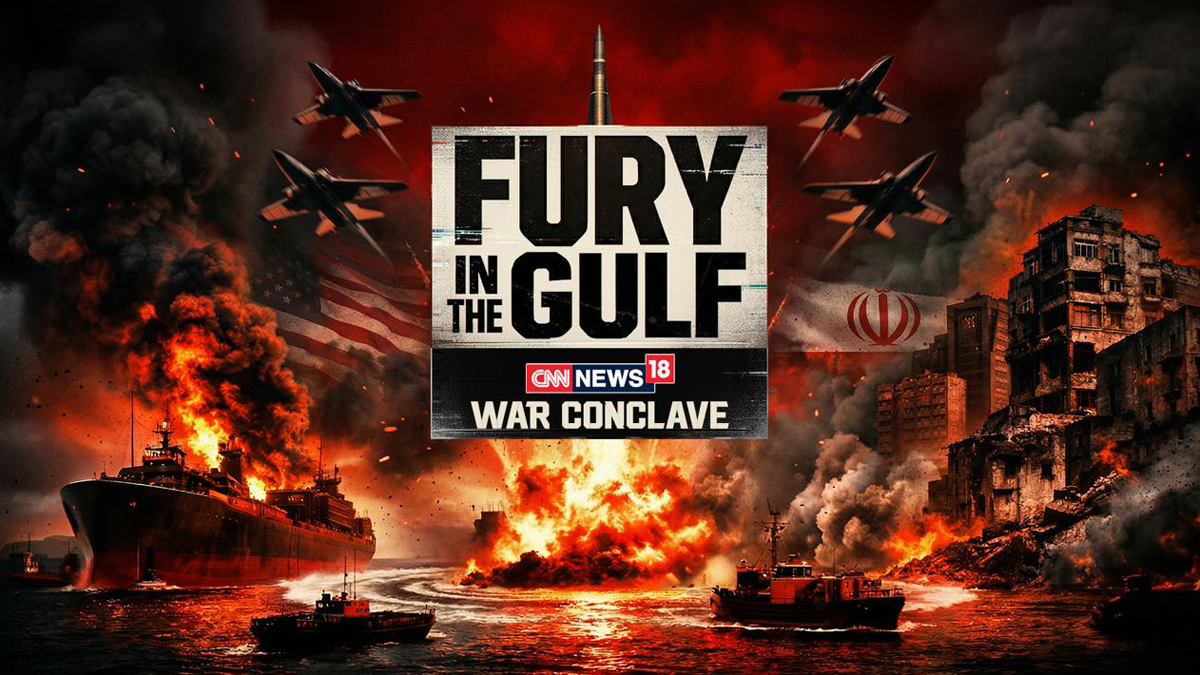
MUMBAI: CNN-News18 is set to host a special three-hour broadcast, Fury in the Gulf – War Conclave, on April 7, aiming to decode the escalating West Asia crisis and its far-reaching implications for India.
Scheduled from 4:00 PM to 7:00 PM, the conclave comes at a time when tensions between Iran and the United States are reshaping global geopolitics and triggering economic uncertainty. With India’s deep energy ties, trade links and large diaspora in the Gulf, the developments carry significant domestic relevance.
Built around the theme ‘Conflict, Consequences, and The Future,’ the programme will feature six curated sessions combining one-on-one interviews and panel discussions. The focus is to cut through the clutter and offer viewers a clearer understanding of the fast-evolving situation.
Key sessions include ‘Diplomacy in Times of War’ featuring Shashi Tharoor, and ‘World After the Iran Conflict’ with voices such as Ram Madhav, Reuven Azar, representatives from the European Union and the Iranian Deputy Envoy. Another session titled ‘Another Dunkirk?’ will bring together K. J. S. Dhillon and Jitin Prasada among others.
CNN-News18 editorial affairs director Rahul Shivshankar said, “In times of war, clarity becomes the most powerful tool. Fury in the Gulf – War Conclave brings together credible voices to address the questions and confusion that arise amid an overwhelming influx of information.”
He added that the initiative is aimed at delivering “facts, perspective, and insight” at a time when misinformation can easily cloud public understanding.
Echoing the sentiment, CNN-News18 CEO– English and business news Smriti Mehra said the conflict marks a defining global moment, with consequences that extend well beyond the region. She noted that the conclave seeks to present the crisis with “depth, nuance and responsibility” so audiences can better grasp its real-world impact.
As geopolitical tensions continue to dominate headlines, the conclave positions itself as an attempt to bring order to the noise, offering viewers a structured, insight-led look at a complex and rapidly shifting global situation.






