I&B Ministry
I&B ministry refers FM issue to EC

NEW DELHI: Information and broadcasting minister Ravi Shankar Prasad has signed the file on the issue of licensing fees for FM radio operators, referring the matter to the Election Commission.
The finance ministry, to which the issue had been referred to last week, has not made much observation on the deferment of fees to be paid by the operators, saying it is upto the I&B ministry to take a call on the recommendations made by the Telecom Regulatory Authority of India.
The matter of license fee payment by FM operators in the country has been moving from ministry to ministry for the last two weeks, even as operators sought relief from the crushing fees that fell due in the last week of April. While Trai has suggested deferment of the fees, the present government has been unwilling to take a stand on the issue till the election are over.

While the Entertainment Network run Radio Mirchi tried to seek legal succour from the Bombay High Court last week and failed, the Millenium Broadcast operated Win downed shutters, protesting the high license fees and demanding a more rational model.
All private FM players are currently keenly watching each other’s moves as well as waiting for the government’s next step, which could well decide private FM radio’s fate in the country.







I&B Ministry
PIB Fact Check Unit flags 2,913 fake claims, blocks 1,400 URLs
Government steps up misinformation fight with FCU and IT Rules framework.
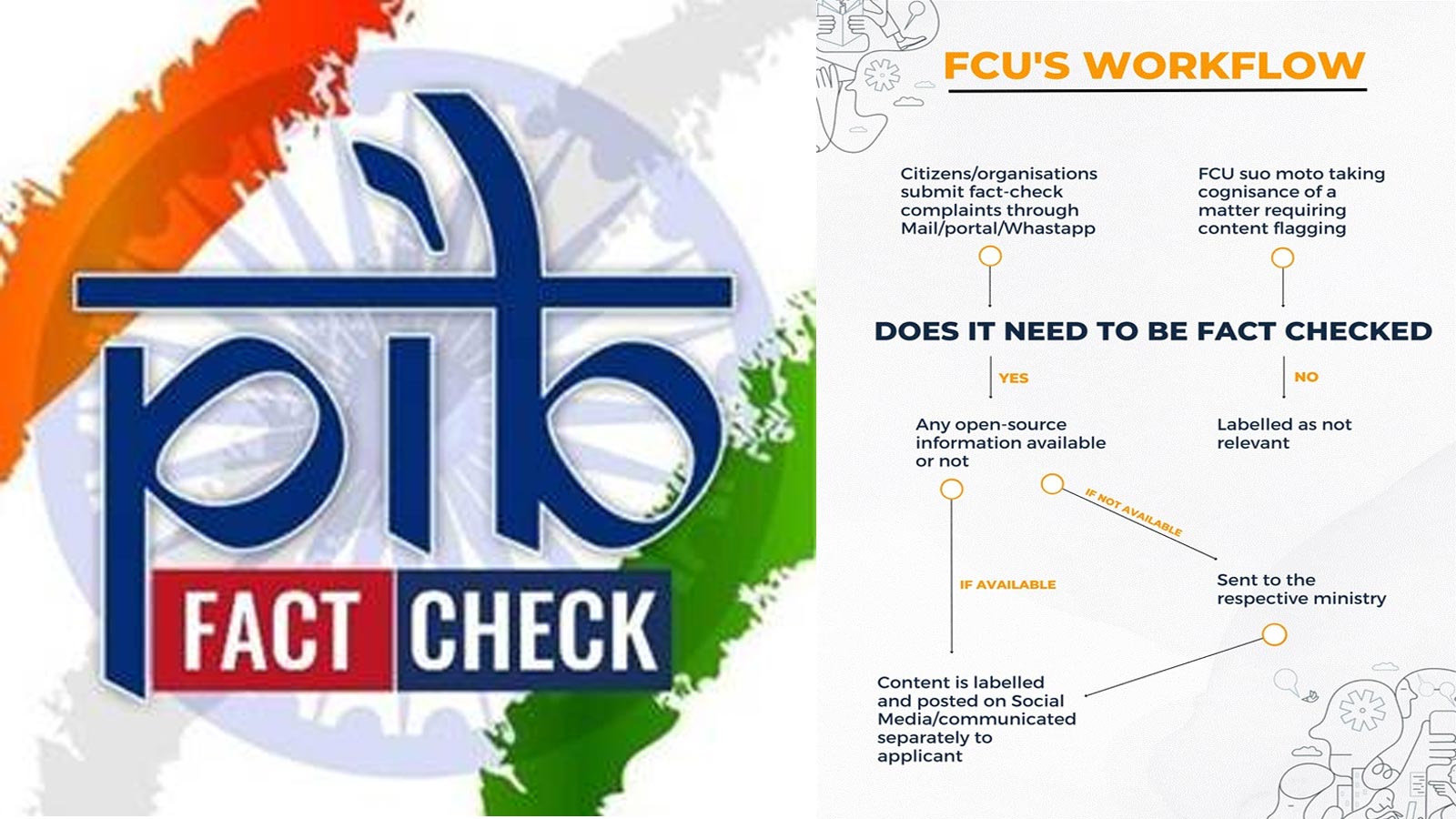
MUMBAI: In the age of viral forwards and deepfake déjà vu, the government’s fact-checkers are working overtime to separate fact from fiction. India’s Press Information Bureau Fact Check Unit (FCU), operating under the Ministry of Information and Broadcasting, has flagged a total of 2,913 instances of fake news and misinformation linked to the Central Government, highlighting the growing scale of the information battle in the digital era.
Tasked with identifying misleading content from AI-generated videos and deepfakes to forged notifications, letters and spoofed websites, the FCU verifies claims using authorised sources before publishing corrections across its social media channels. These include platforms such as X, Facebook, Instagram, Telegram, Threads and WhatsApp, turning the government’s digital presence into a real-time myth-busting network.
But the effort is not just top-down. The FCU has also been nudging citizens to play detective, encouraging users to report suspicious content for verification. The idea is simple: in a landscape where misinformation travels faster than facts, crowd-sourced vigilance can act as an early warning system.
The scale of intervention became particularly visible during Operation Sindoor, when the unit identified and countered a surge of misleading and hostile narratives circulating online. Alongside publishing verified information, the Ministry directed the blocking of more than 1,400 URLs on digital platforms, an aggressive move aimed at containing the spread of false and potentially harmful content.
The broader regulatory backbone for this effort lies in the Information Technology Rules 2021, which set out a Code of Ethics for digital publishers and establish a three-tier grievance redressal mechanism. The framework is designed to hold publishers of news and online curated content accountable, even as the ecosystem grows increasingly complex.
The update was shared in the Lok Sabha by L. Murugan, minister of state for information and broadcasting, in response to a question raised by V. K. Sreekandan.
Together, the numbers tell a clear story: misinformation is no longer a fringe problem but a mainstream challenge. And as the lines between real and manipulated content continue to blur, the battle for credibility is being fought not just in newsrooms but across every screen in the country.






