I&B Ministry
I&B ministry imposes additional penalties for violation of programme code

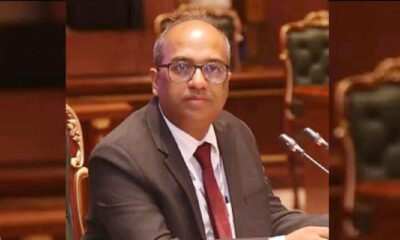
Mumbai: The minister of information and broadcasting, Anurag Thakur has informed the Rajya Sabha that there have been 37 instances between March 2005 and June 2021 where broadcasters were prohibited the transmission and re-transmission of a channel for a specified time period, or permission to downlink the channel was cancelled, due to violation of the programme code.
The information and broadcasting minister was asked to give the status of Cable TV Networks Amendment (Regulation) Bill, 2020 which proposed to increase the penalties for violation of the Programme Code. He was also asked whether the government had imposed a monetary penalty or prohibited the transmission of a channel under the relevant provisions of the Cable TV Networks Amendment (Regulation) Act for violation of the Programme Code.
“No monetary penalty has been imposed for the violation of Programme Code,” noted Thakur.

The programme code comes under the Cable TV Networks (Regulation) Act, 1995 and Cable Television Networks Rules, 1994 contains broad guidelines related to content broadcast on private television channels.
The matter of violation of the programme code and advertising code has been addressed by amending the rules vide government gazette notification number G.S.R. 416(E) on 17 June so as to include a complaint redressal mechanism by the broadcaster which prescribes the specific actions that can be taken by the central government for such violations.
As per the amendments, if the government is satisfied that the programme of any channel is not in conformity with the programme code, it may, after giving an opportunity of hearing to the cable operator, and by an order in writing, prohibit the transmission or re-transmission of any such channel or programme in accordance with the provisions of section 20 of the Act.
The rules provide for a three-tiered complaint redressal mechanism; Level I self-regulation by the broadcaster, level II self-regulation by self-regulating bodies of the broadcasters, and level III oversight mechanism by the central government.
The I&B minister had previously informed the Parliament on Friday that the government took action against 126 violations of the programme code between 2018 and 2021.




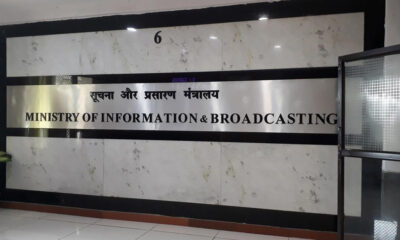

I&B Ministry
Chanchal Kumar appointed MIB secretary
1992-batch officer shifts from DoNER as Sanjay Jaju heads the north-east ministry
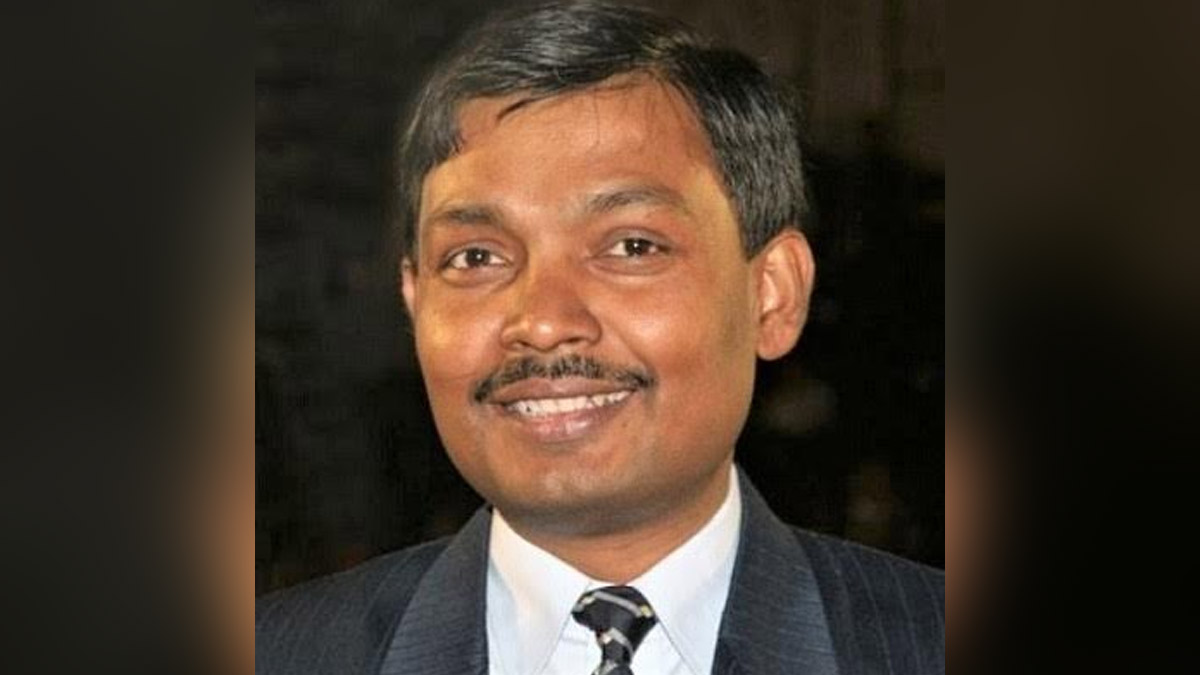
New Delhi: The government has rejigged its top bureaucracy, appointing Chanchal Kumar as secretary in the Ministry of Information and Broadcasting, replacing Sanjay Kumar Jaju in a swift senior-level switch.
Kumar, a 1992-batch IAS officer of the Bihar cadre, moves from the Ministry of Development of North Eastern Region (DoNER), where he had been serving as secretary. He steps into MIB as Jaju exits to take charge as secretary, DoNER.
Kumar is no stranger to handling multiple mandates. In December 2025, while at DoNER, he briefly held additional charge as secretary in the Department of Telecommunications during Neeraj Mittal’s leave from December 12 to December 21, ensuring continuity at a critical time.
Jaju, a 1992-batch IAS officer of the Telangana cadre, had taken over as secretary, MIB in February 2024, succeeding Apurva Chandra, who moved to the Ministry of Health and Family Welfare. His tenure combined administrative continuity with a sharper policy pitch on trust in India’s fast-evolving media and advertising landscape.
Speaking at the AdTrust Summit 2026 organised by the Advertising Standards Council of India, Jaju warned that misleading promotions risk eroding public trust even as digital platforms expand reach for businesses, startups and creators. He flagged rising threats from financial scams, deceptive investment schemes and fraudulent job advertisements targeting vulnerable users.
While noting that commercial speech is protected under freedom of expression, Jaju argued that misleading advertising must face regulatory scrutiny. He pushed for a shift in industry priorities—from scale to credibility, authenticity and transparency—especially in disclosures and sponsored content. Truthfulness, accountability and safeguards for vulnerable audiences, he said, must anchor the ecosystem.
Jaju’s move to DoNER and Kumar’s arrival at MIB signal a calibrated reshuffle at the top—continuity in governance, but with a clear message: credibility is the new currency.