I&B Ministry
I&B Ministry dictates channels to follow the programme code

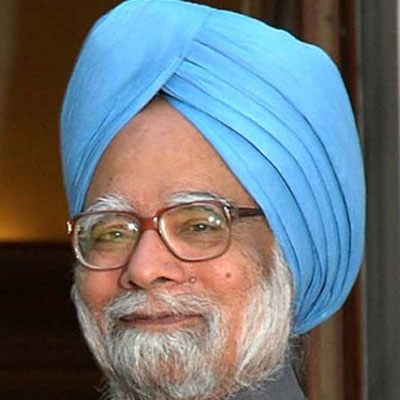
NEW DELHI: Taking umbrage at constant comparisons of the speech of Prime Minister Manmohan Singh on Independence Day to that of other political leaders, the Information and Broadcasting Ministry today advised all News and Current Affairs TV Channels to follow the provisions of the Programme and Advertising Codes ‘scrupulously’.
An advisory issued by the Ministry also said it was necessary to keep ‘the significance of the solemn days like Independence Day, etc. in view while carrying the speech of the Prime Minister and the President of India’.
 |
The Ministry said any further violation of the provisions of the Programme/Advertising Code would attract penal provisions stipulated in Section 20 of the Cable Television Networks (Regulation) Act 1995 and the terms and conditions of uplinking and downlinking guidelines.
The advisory was issued in exercise of powers under Uplinking/Downlinking Guidelines issued by it, the terms of permission granted to the Channel to uplink or downlink TV Channels and under Section 20 of the Act.

The Ministry said that the ‘telecast of this kind of programme on a day when the entire nation was celebrating its 67th Independence Day is highly objectionable. The Prime Minister spoke from the Ramparts of the Red Fort as the Prime Minister of the country and not as a leader of a political party.’
‘Therefore, on such a solemn day to put him in an artificial competition with anyone is not appropriate. On Independence Day when the Prime Minister addresses the nation and the country is united in the emotions of national integrity, patriotism and national fervor, the attempt by certain TV channels to denigrate the status of the Prime Minister can best be described as sensational against all norms of ethical journalism.’
The Ministry pointed out that under Section 5 of the Act read with Rule 6 (1Xa) & (i) of the Cable Television Networks Rules 1994 as amended from time to time, ‘no programme can be transmitted/retransmitted on any Cable Service which contains anything offending against good taste or decency; and criticises, maligns or slanders any individual in person or certain groups, segments of social, public and moral life of the country.’
It added that according to the basic conditions/obligations of permission/approval for
Uplinking/Downlinking of TV Channels in India, the channels are bound to follow the Programme Code and Advertising Code as prescribed under the Act and rules framed there under.


I&B Ministry
MeitY extends deadline for feedback on digital media rules overhaul
Government gives stakeholders more time to respond to proposed changes in intermediary guidelines.
MUMBAI: When the rulebook gets a rewrite, even the internet needs a little extra time to read the fine print. Regulators have extended the deadline for public feedback on a proposed overhaul of India’s digital media and intermediary liability framework, giving stakeholders until April 29 to submit their views. In a notice issued on April 10, the Ministry of Electronics and Information Technology (MeitY) said it was extending the consultation period for draft amendments to the Information Technology (Intermediary Guidelines and Digital Media Ethics Code) Rules, 2021, following representations from several stakeholders.
At the heart of the proposals is a significant shift in how social media platforms and other intermediaries must respond to government communications. A new provision would make compliance with official “clarifications, advisories, directions, standard operating procedures and guidelines” a formal part of the due diligence obligations required to retain safe harbour protection under Section 79 of the Information Technology Act.
The amendments would also expand the scope of content oversight under Part III of the rules. The digital media ethics code would now apply not only to publishers but also to intermediaries hosting or transmitting user-uploaded news and current affairs content. This could bring user-generated news more directly under regulatory scrutiny.
Additionally, the Inter-Departmental Committee’s powers would be broadened, allowing it to take up matters referred directly by the ministry rather than waiting for formal complaints. This signals a more proactive approach to content monitoring.
The existing IT Rules already impose strict requirements on intermediaries, including timely removal of unlawful content, grievance redressal mechanisms, and traceability in certain cases. Recent updates have also introduced obligations around labelling synthetically generated content.
Officials have described the amendments as necessary to create an “Open, Safe, Trusted and Accountable Internet” while improving legal clarity and enforceability.
With the extended deadline now set for April 29, the government has given industry bodies, civil society, and digital platforms additional time to respond to changes that could significantly reshape how online platforms operate and are governed in India.
In the fast-scrolling world of digital regulation, a little extra time to read the small print might just prevent bigger headaches down the line.







