iWorld
IAMAI welcomes DoT recommendations on Net Neutrality

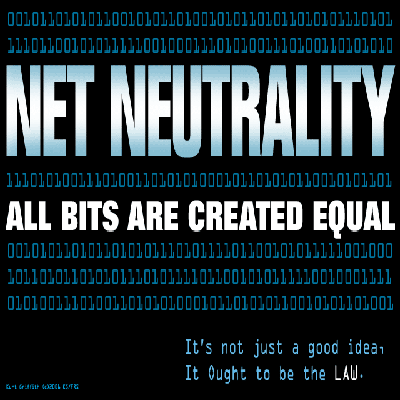
MUMBAI: The Internet and Mobile Association of India (IAMAI) has welcomed the DoT Committee recommendations on Net Neutrality and agrees with the report that the primary goal of public policy should be directed towards facilitating affordable and universal connectivity.
This actually is in line with IAMAI’s submission on Net Neutrality to the DoT.

IAMAI has always advocated a principle that guarantees consumers equal and non-discriminatory access to all data, apps and services on internet, with no discrimination on the basis of tariffs or speed, and is happy that the DoT paper also conforms to the view of IAMAI.
The industry body has also welcomed the DoT recommendation that OTT services should be actively encouraged and any impediments in expansion and growth of OTT application services should be removed. This is also in line with the suggestions put forward by IAMAI that bringing in more regulation would be counterproductive to innovation and investments in this sector.
According to IAMAI, Zero rating and other pro-access programs have the potential to dramatically expand internet access in India and bring more people online, but the report fails to fully recognize the value and potential of such programs. Not all Zero Ratings are violating the Net Neutrality principles and especially in countries like India where the Internet penetration is very low, such services can actually help in faster proliferation of broadband. So, the Net Neutrality laws should keep the plan of zero-rated services open and implement along the lines that is not anti-competitive and in lines with the principles of Net Neutrality.
In light of the observations made in the DoT Committee Report on Net Neutrality, IAMAI states that there are already enough regulations on the Internet Telephony in India [Calls from Skype to mobile numbers and land line consume reasonably less, but this is not yet permitted in India] and there is no need to further bring a licensing or revenue share arrangement between the OTTs and TSPs. This will disrupt VOIP and will also skew any further innovation in the same field, which is need of the hour.





Gaming
Skyesports, GodLike Esports sign MoU with Maharashtra Cyber
Partnership promotes esports growth and cyber hygiene across the state.
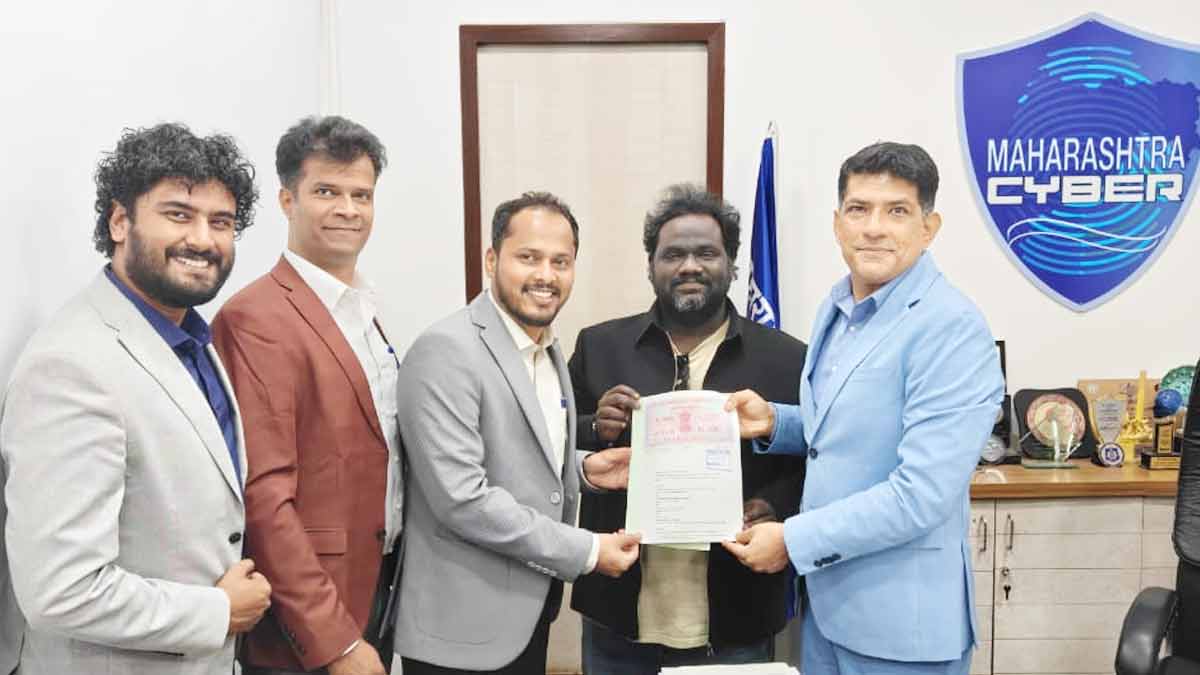
MUMBAI: Skyesports and Godlike Esports just teamed up with Maharashtra Cyber because when you’re levelling up gaming in India, even the police want to join the squad. Skyesports, India’s leading esports and gaming IP builder, and premier organisation Godlike Esports have signed a Memorandum of Understanding (MoU) with Maharashtra Cyber, the state’s nodal cyber security office, to foster esports development while embedding cyber hygiene and online safety practices across Maharashtra.
The agreement, formalised during a closed-door meeting in Mumbai, aligns with the state’s push to grow the orange economy and positions Maharashtra as a rising hub for digital gaming and esports. It emphasises responsible participation, cyber awareness and safe digital conduct among gamers and youth.
Under the MoU, Skyesports will organise and promote tournaments and community initiatives infused with cyber hygiene messaging. GodLike Esports will contribute through professional player mentorship, community engagement and awareness programmes encouraging positive behaviour. Maharashtra Cyber will support safety campaigns and promote responsible online practices within the ecosystem.
Skyesports founder and CEO Shiva Nandy said, “The growth of esports requires strong collaboration between the industry and government stakeholders. This MoU with Maharashtra Cyber represents an important step toward strengthening Maharashtra’s esports ecosystem through responsible gaming initiatives and grassroots engagement.”
Maharashtra Cyber additional director general of police Yashasvi Yadav added, “As esports continues to grow rapidly among young audiences, it is equally important to promote safe and responsible digital practices within the gaming ecosystem.”
Godlike Esports, founder Chetan “Kronten” Chandgude noted, “The true growth of esports in India lies in strengthening its roots at the grassroots level. This collaboration will support the state’s vision of building a strong and sustainable esports ecosystem.”
Eyrie Entertainment will cover and amplify Maharashtra Cyber’s cyber awareness activities across events and campaigns.
The partnership reflects a forward-looking effort to nurture Maharashtra’s esports talent pipeline while ensuring rapid growth is matched by strong digital safety guardrails. Further initiatives, tournaments and outreach programmes are expected to be announced soon.
In a state where gaming is levelling up faster than broadband speeds, this MoU isn’t just paperwork, it’s a power-up that turns players into safer, smarter pros, one secure headshot at a time.








